
Describir
- Introducción
- ¿Qué es la campaña Lights-Out?
- ¿Por qué la contaminación lumínica es una preocupación creciente?
- ¿Cómo funciona? Fotocontrol ¿La tecnología proporciona soluciones inteligentes para el cumplimiento normativo?
- ¿Cómo utilizan las ciudades a nivel mundial? Controles de iluminación ¿Cómo reducir la contaminación lumínica?
- ¿Por qué las fotocélulas de unión larga son la opción preferida para proyectos de iluminación sostenible?
- ¿Qué tendencias futuras darán forma a la próxima generación de Controlador de alumbrado público ¿Tecnología?
- Palabras finales
La contaminación lumínica aumenta rápidamente en las principales ciudades, impactando ecosistemas enteros. La campaña "Luces Apagadas" insta a edificios y comunidades a apagar la iluminación innecesaria por la noche.
Pero ¿cómo pueden las ciudades seguir esto sin comprometer la seguridad? Controles de iluminación Ofrecemos una respuesta sencilla. Estos sensores inteligentes garantizan que las luces funcionen solo cuando se necesitan, reduciendo el desperdicio y contribuyendo a los objetivos ambientales.
Este artículo explora cómo las fotocélulas fortalecen el movimiento Lights-Out y ayudan a crear cielos nocturnos más limpios y saludables.
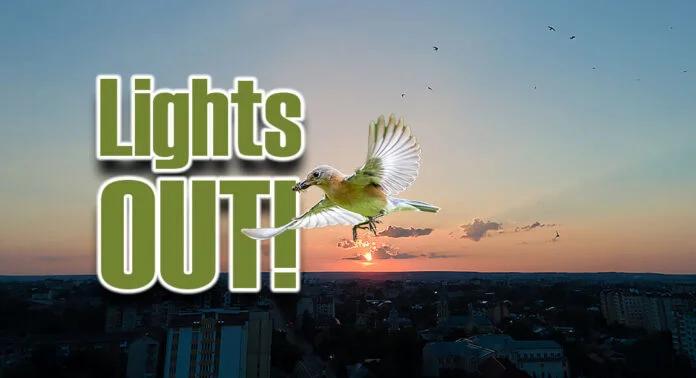
Foto cortesía de: Negocios fronterizos de Texas
¿Qué es el? Campaña Luces Apagadas?
Esta es una iniciativa liderada por la Sociedad Nacional Audubon. Su objetivo es proteger a las aves migratorias de las colisiones nocturnas. Numerosas secciones regionales también la apoyan.
La idea es directa. Durante la hora punta de migración, las ciudades y los edificios apagan la iluminación innecesaria entre las 23:00 y las 6:00. Además, aquí hay una tabla con los horarios recomendados para apagar las luces en las principales ciudades.
| Ciudad / Región | Horarios recomendados de apagado de luces | Organización / Autoridad |
| Ciudad de Nueva York | 23:00 – 6:00 | Audubon de Nueva York |
| Toronto | Medianoche – 6:00 AM | FLAP Canadá |
| Chicago | 22:00 – Amanecer | Monitores de colisión de aves de Chicago |
| San Francisco | 23:00 – 05:00 | Grupo de trabajo sobre contaminación lumínica del Área de la Bahía |
| Londres | 1:00 a. m. a 5:00 a. m. | Consejos locales |
Propósitos fundamentales
La campaña busca evitar que las aves se distraigan con luces brillantes. Esto reducirá las muertes de aves causadas por impactos contra edificios iluminados.
Otra perspectiva es reducir el desperdicio de energía, disminuyendo en última instancia las emisiones de carbono al eliminar cualquier luz innecesaria.
Cómo funciona
Se anima a los ayuntamientos a unirse al programa durante las temporadas de migración. Se insta a las agencias locales a seguir también. Se solicita a los propietarios y administradores de edificios que minimicen el uso de la iluminación.
Los planificadores de iluminación deben replantear su enfoque. Una posible solución podría ser la instalación de luminarias orientadas hacia abajo o protegidas. Los controles automatizados también pueden ser eficaces.
Las aves migratorias viajan principalmente de noche. Dependen de la oscuridad natural para orientarse. Esto convierte a la campaña en algo más que una iniciativa de conservación. Señala un avance global hacia una iluminación sostenible. Apoya una mayor eficiencia energética. Refuerza la responsabilidad ecológica de las ciudades que buscan reducir su huella ambiental.
¿Por qué la contaminación lumínica es una preocupación creciente?
Los patrones de iluminación nocturna están cambiando. El uso de iluminación artificial está aumentando. Los datos satelitales muestran... 2,2% aumento anual globalmente. Esto crea un grave estrés ecológico:
- Las aves migratorias se desorientan con las luces nocturnas de la ciudad. Finalmente, se agotan y se estrellan contra los edificios.
- Los insectos, vitales para la polinización y la red trófica, se aglomeran hacia la luz. Se agotan y a menudo mueren. La iluminación artificial también interrumpe su apareamiento.
- En cuanto a la energía, la iluminación exterior consume mucha energía. En muchos lugares, esto representa... 15–19% de global Electricidad utilizada para iluminación.
¿Cómo funciona? Fotocontrol ¿La tecnología proporciona soluciones inteligentes para el cumplimiento normativo?
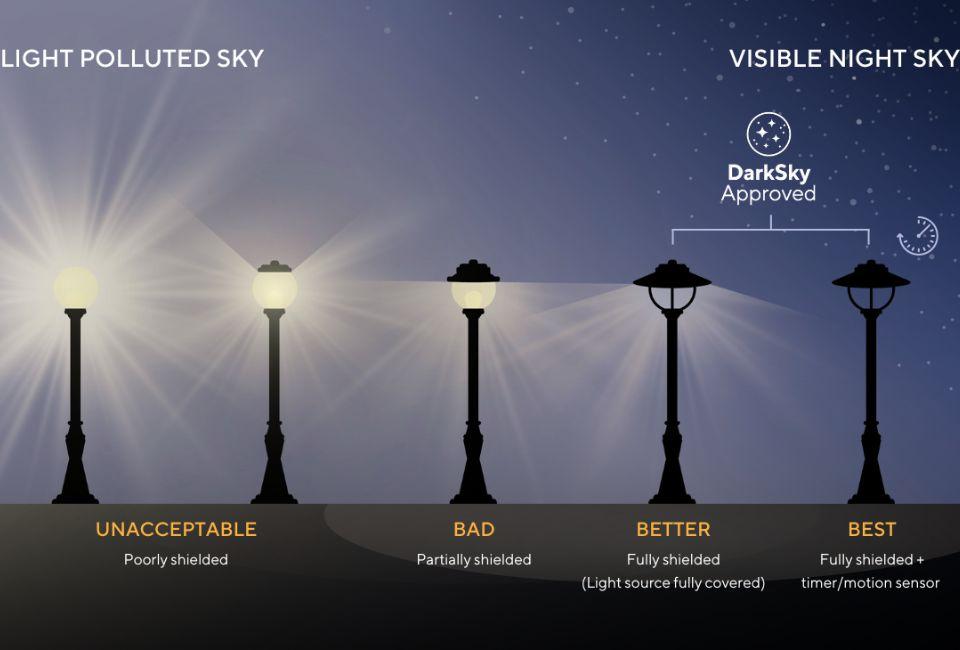
Habilitar el cambio automático
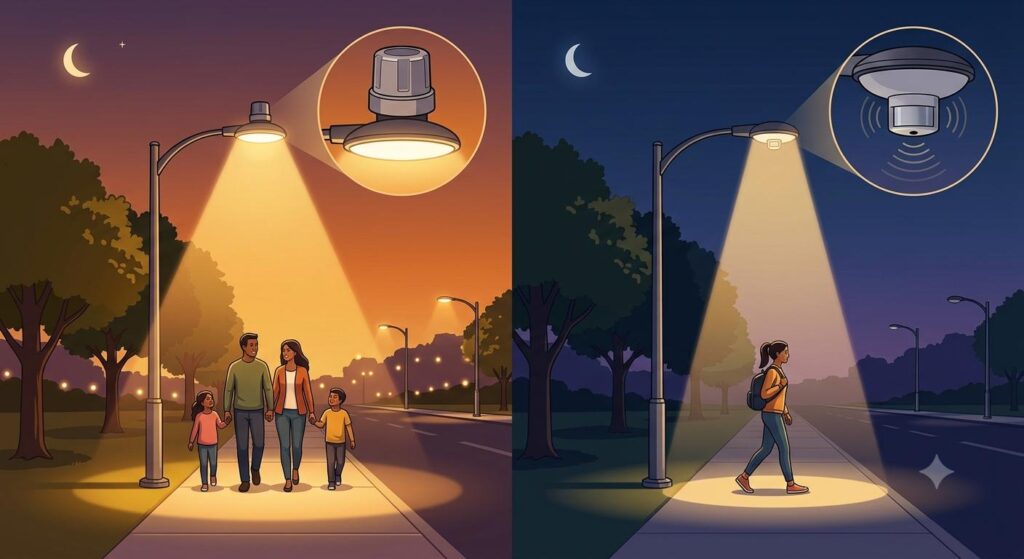
Interruptores de sensor de luz Miden la luz ambiental mediante un sensor. Cuando la luz natural desciende por debajo de un umbral al anochecer, las fotocélulas activan el encendido de las luces. Al amanecer, la luz ascendente las apaga automáticamente. Esto garantiza que las luces solo funcionen durante las horas de oscuridad.
Interruptores de fotocélula Integrarse con los horarios de iluminación de toda la ciudad
Moderno fotocélula de anochecer a amanecer Los sistemas suelen ser compatibles con protocolos de comunicación de ciudades inteligentes. En la tabla a continuación se incluye una lista de estos protocolos. Esto permite que los administradores de las instalaciones centralicen el control y la programación.
Las ciudades pueden alinear el funcionamiento de la iluminación con las políticas de "luces apagadas". La monitorización remota y la programación de escenas son posibles. Esto reduce la dependencia de interruptores manuales o temporizadores obsoletos.
| Protocolo | Rango | Uso de energía | Mejor caso de uso | Fortaleza |
| ZigBee | Corto-medio | Bajo | Aglomeraciones urbanas en ciudades inteligentes | Red de malla estable |
| LoRa | Largo | Ultrabajo | Grandes ciudades, autopistas | Cobertura de larga distancia |
| NB-IoT | Muy largo | Bajo-medio | Sistemas de servicios públicos a escala nacional | Penetración profunda en áreas densas |
| Wi-Fi | Corto | Alto | Iluminación de edificios/instalaciones locales | Alto ancho de banda |
Sensores fotoeléctricos Reducir el desperdicio de energía y apoyar los objetivos de sostenibilidad
El control mediante fotocélulas reduce significativamente el consumo de energía. Algunos sistemas urbanos con controles inteligentes reportan un consumo eléctrico entre 30 y 50% menor en comparación con la iluminación permanente.
Esto se traduce en importantes ahorros para los municipios. Un menor tiempo de funcionamiento también prolonga la vida útil de las luminarias y reduce las necesidades de mantenimiento.
Receptáculos de fotocontrol Ayude a controlar la contaminación lumínica mediante la atenuación adaptativa
Los sistemas avanzados de fotocélulas se integran con protocolos de atenuación como 0-10 V o DALI. Las luces pueden funcionar a máxima intensidad durante las horas de mayor actividad. Al disminuir el tráfico o después de medianoche, los sistemas pueden atenuar automáticamente los niveles de iluminación.
¿Cómo utilizan las ciudades a nivel mundial? Controles de iluminación ¿Cómo reducir la contaminación lumínica?
Ciudad de Nueva York
Durante la temporada de aves migratorias, algunos edificios de Nueva York adoptan protocolos de "apagado de luces". Las luces se apagan o se atenúan durante la noche mediante temporizadores y sensores de luz. Esto ayuda a evitar que las aves se sientan atraídas por las zonas iluminadas.
Ciudades inteligentes europeas
En muchas ciudades europeas, los sistemas de iluminación utilizan módulos. sensores de fotocélula de luz. Estos sistemas detectan la luz ambiental y atenúan dinámicamente el alumbrado público durante las horas de poco tráfico. El resultado es una menor incidencia de la luz del cielo y un menor consumo de energía.
Municipios de Oriente Medio
Las licitaciones municipales en algunas ciudades de Oriente Medio exigen ahora certificados sensores de fotointerruptor. Estos garantizan un funcionamiento confiable desde el anochecer hasta el amanecer o una atenuación a altas horas de la noche para reducir tanto el desperdicio de energía como la iluminación nocturna innecesaria.
¿Por qué las fotocélulas de unión larga son la opción preferida para proyectos de iluminación sostenible?
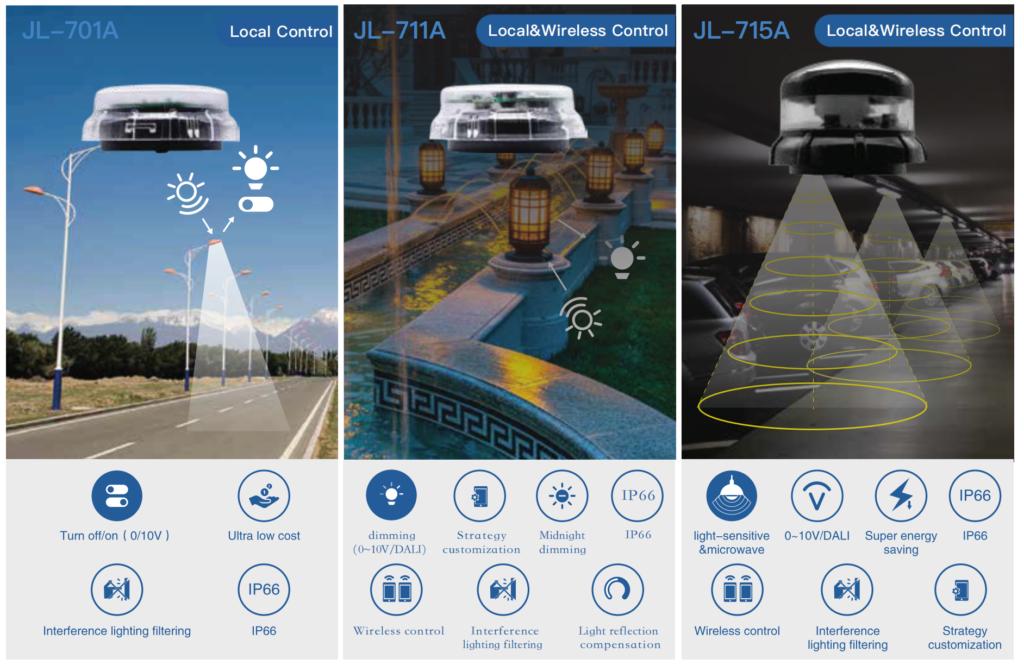
He aquí por qué las fotocélulas Long-Join destacan en proyectos de iluminación ecológica y urbana:
- Long-Join cuenta con más de 20 años de experiencia en la fabricación de equipos de fotocontrol. Su amplia trayectoria aporta fiabilidad y conocimiento del sector a cada producto.
- Sus fotocélulas cuentan con certificaciones globales, lo que garantiza el cumplimiento de los estándares internacionales de calidad y seguridad.
- Long-Join ofrece conectividad inteligente y flexible. Muchas de sus unidades son compatibles con múltiples protocolos de comunicación, lo que facilita su integración en las redes de alumbrado público.
- Sus diseños incluyen ingeniería ecocéntrica. Características como la compensación de la degradación del LED y la atenuación adaptativa ayudan a prolongar la vida útil de las luminarias y a reducir el desperdicio de luz o energía.
- La empresa cuenta con la confianza de las principales empresas de la industria de la iluminación y la tecnología LED, lo que refleja su confianza en su rendimiento y calidad.
A continuación se muestra una tabla que describe las métricas de confiabilidad técnica de las fotocélulas Long-Join.
| Parámetro | Calificación típica | Objetivo |
| Protección contra sobretensiones | Opciones de 10 kV / 20 kV | Defiéndete contra rayos y picos de red |
| Resistencia a los rayos UV | >800 horas | Mantener una transmisión de lente estable |
| Repetibilidad de conmutación | Precisión de ±10 lux | Minimizar las conmutaciones falsas |
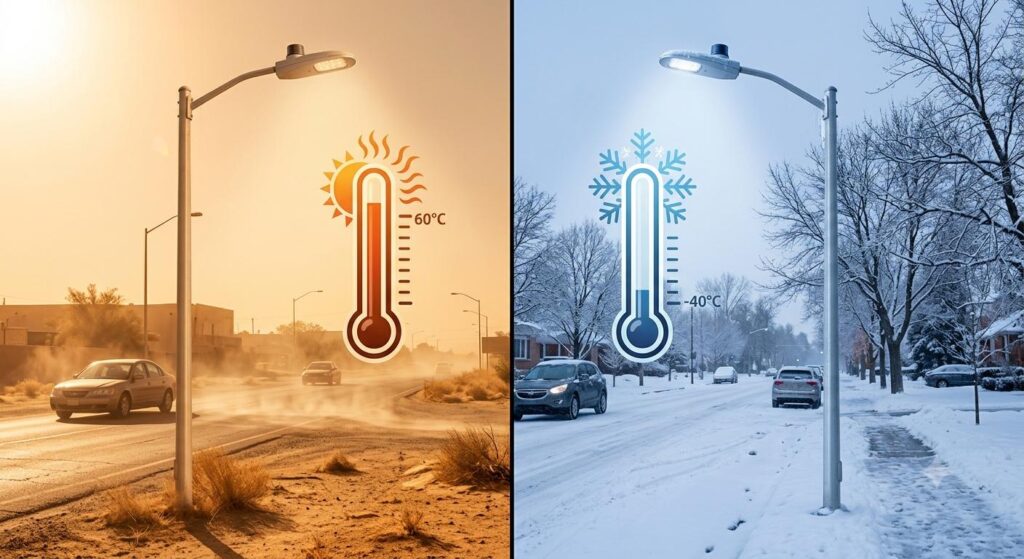
| Temperatura de funcionamiento | –40°C a +70°C | Diseñado para climas globales |
¿Qué tendencias futuras darán forma a la próxima generación de Controlador de alumbrado público ¿Tecnología?
El mundo de la iluminación está evolucionando rápidamente hacia soluciones más ecológicas e inteligentes.
● Políticas de iluminación ecológica
Las leyes y normativas actuales favorecen el ahorro energético, la reducción de la contaminación lumínica y la protección del medio ambiente. Las fotocélulas y los controles inteligentes se adaptan perfectamente a estos objetivos.
● Estandarización
Interfaces como Zhaga-D4i y Normas ANSI Se están volviendo comunes. Esto ayuda a garantizar la compatibilidad entre dispositivos y módulos de control.
● Iluminación adaptativa habilitada con IA
Las fotocélulas están evolucionando más allá de la simple conmutación. Las luces se encienden al detectar personas o movimiento. Esta iluminación a demanda reduce el consumo y el resplandor del cielo.
● Sistemas de movilidad inteligente y protección de la vida silvestre
El alumbrado público podría adaptarse según la densidad del tráfico o la actividad animal cercana. Esto se traduce en calles más seguras y un menor impacto en los ecosistemas nocturnos.
Palabras finales
La tecnología de fotocontrol inteligente avanza hacia una mayor eficiencia y un menor impacto ambiental. Estas innovaciones ayudan a las ciudades a optimizar el rendimiento de la iluminación sin complicaciones. Para cualquier proyecto que necesite fotocontroles confiables y de larga duración, Chi-Swear ofrece soluciones Long-Join probadas y confiables, diseñadas para las necesidades modernas de iluminación exterior.
Enlaces externos
- https://birdcast.info/science-to-action/lights-out/
- https://www.un.org/en/un-chronicle/growing-effects-light-pollution-migratory-birds
- https://www.mdpi.com/2413-8851/9/7/251
- https://en.wikipedia.org/wiki/Zigbee
- https://lora-alliance.org/
- https://en.wikipedia.org/wiki/Narrowband_IoT
- https://zhagastandard.org/
- https://www.ansi.org/


 Spanish
  English
  Russian
  Arabic
  Italian
  Japanese
  Portuguese