OUTLINE
- مقدمة
- 1. What Physical Protection Should Photocell Housing Have?
- 2. What Electrical Protection Does a Photocell Need?
- 3. Why Does Thermal Management Matter for Outdoor Photocells?
- 4. What Protects Against Corrosion and UV Degradation?
- 5. What Do Installation and Maintenance Practices Add to Protection?
- What Makes Long-Join Photocells Specifically Suited to Outdoor Protection?
- Safe Photocells for Outdoor Lights
- Frequently Asked Questions
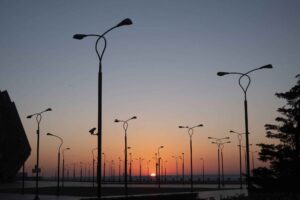
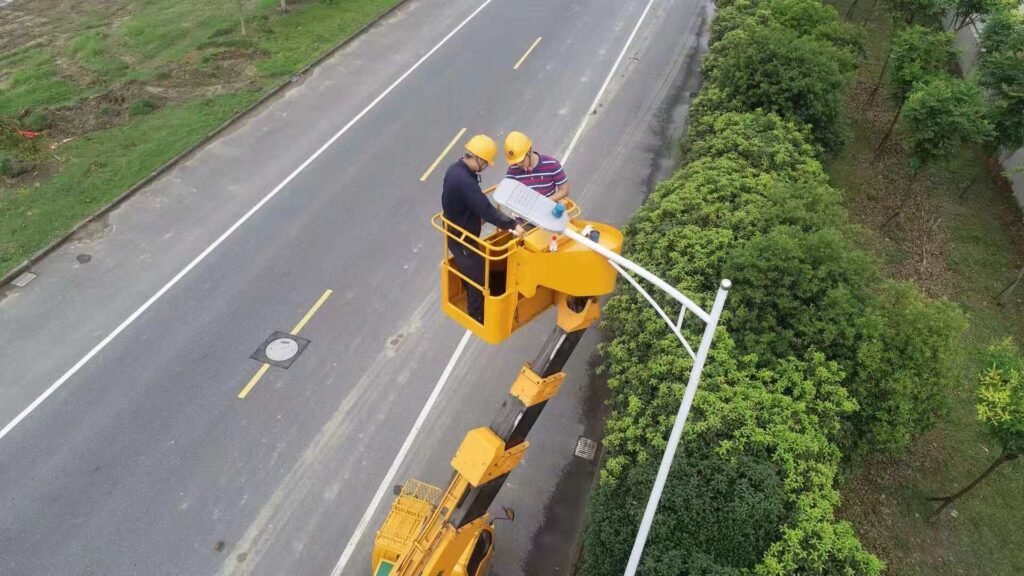
Outdoor lighting takes a sustained beating. Rain, UV radiation, temperature swings, voltage spikes, dust, salt air, and mechanical impact from installation and maintenance accumulate over the years.
Most outdoor lighting failures are not sudden catastrophic events. They’re the result of gradual degradation across one or more of these stress vectors that eventually crosses a threshold.
The good news is that each of these failure paths has a corresponding protection strategy, and most of them are addressed at the specification stage rather than in reactive maintenance.
This guide covers the five main protection dimensions for outdoor lighting and the Long-Join photocell features that directly address each one.
1. What Physical Protection Should Photocell Housing Have?
Physical protection in an outdoor photocell means two things:
- Stopping water and dust from entering the housing
- Making the housing robust enough to survive years of outdoor exposure without cracking

IP65 is the minimum acceptable rating for any fully exposed outdoor photocell. The “6” means complete dust-tightness, while the “5” means the housing is protected against water jets from any direction at 12.5 litres per minute.
For coastal installations, high-pressure wash-down environments, or fixtures in flood-prone positions, IP67 adds temporary immersion protection on top of that baseline.
The housing material itself is the second physical protection consideration. Standard polycarbonate without UV stabiliser additives becomes brittle after sustained solar exposure, eventually developing micro-cracks that open ingress paths for moisture.
Long-Join’s photocell housings use UV-resistant engineered materials specifically formulated to maintain structural integrity across years of outdoor service. This ensures they stay sealed for a very long time.
2. What Electrical Protection Does a Photocell Need?
Electrical protection in an outdoor photocell addresses three distinct threat types:
- Voltage transients from lightning and grid switching
- Overcurrent conditions from load switching
- Electromagnetic interference from the surrounding environment.

Surge protection is the most critical electrical protection requirement for pole-mounted outdoor photocells. A direct or indirect lightning strike can inject thousands of volts into the connected power line in microseconds.
Without a surge protection device, that transient reaches the photocell’s internal components and causes permanent failure. Long-Join’s JL-207C و JL-423CM series include built-in موف (Metal Oxide Varistor) surge protection, which clamps the transient voltage, absorbs the surge energy, and returns to its high-resistance state.
Overcurrent and electromagnetic interference protection is provided through the circuit design itself. The relay switching circuit in Long-Join’s electronic photocontrols is designed to handle the load and inrush characteristics of modern LED drivers without relay wear or false triggering from electromagnetic noise in the surrounding environment.
3. Why Does Thermal Management Matter for Outdoor Photocells?
Photocells on outdoor fixtures are exposed to varying levels of temperature in different seasons of the year.

The range of photocells produced by Long-Join is rated to operate across -40°C to +70°C ambient temperature. The housing design ensures that heat generated by the control circuit dissipates appropriately rather than accumulating around temperature-sensitive components.
In high-temperature environments such as the Middle East and South Asian tropics, surface temperatures on pole-mounted equipment can significantly exceed ambient air temperature. Combining UV-resistant housing and adequate thermal design directly affects how long the photocell remains within its rated operating parameters.
4. What Protects Against Corrosion and UV Degradation?
Two separate degradation mechanisms affect outdoor photocells over time:
- UV radiation that breaks down housing materials
- electrochemical corrosion that attacks metal contacts and connectors.

UV protection comes from the material selection in the housing. Anti-UV coatings and UV-stabilised engineering plastics maintain their mechanical properties under sustained solar radiation, whereas standard plastics yellow, crack, and eventually fail structurally. This is particularly relevant for photocells in low-latitude environments where UV intensity is high year-round.
Contact corrosion is addressed through the plating on the brass twist-lock terminals and internal relay contacts. Enhanced plating resists the oxidation and galvanic corrosion that occur at metal-to-metal interfaces in humid and salt-air environments.
A corroded terminal increases contact resistance, which generates heat and accelerates further degradation in a cycle that ends in switching failure. Plated contacts designed for outdoor service interrupt that cycle.
5. What Do Installation and Maintenance Practices Add to Protection?
You can get all the protection above right, but get it all wrong if installation is done incorrectly or periodic maintenance is neglected.
Correct installation requires:
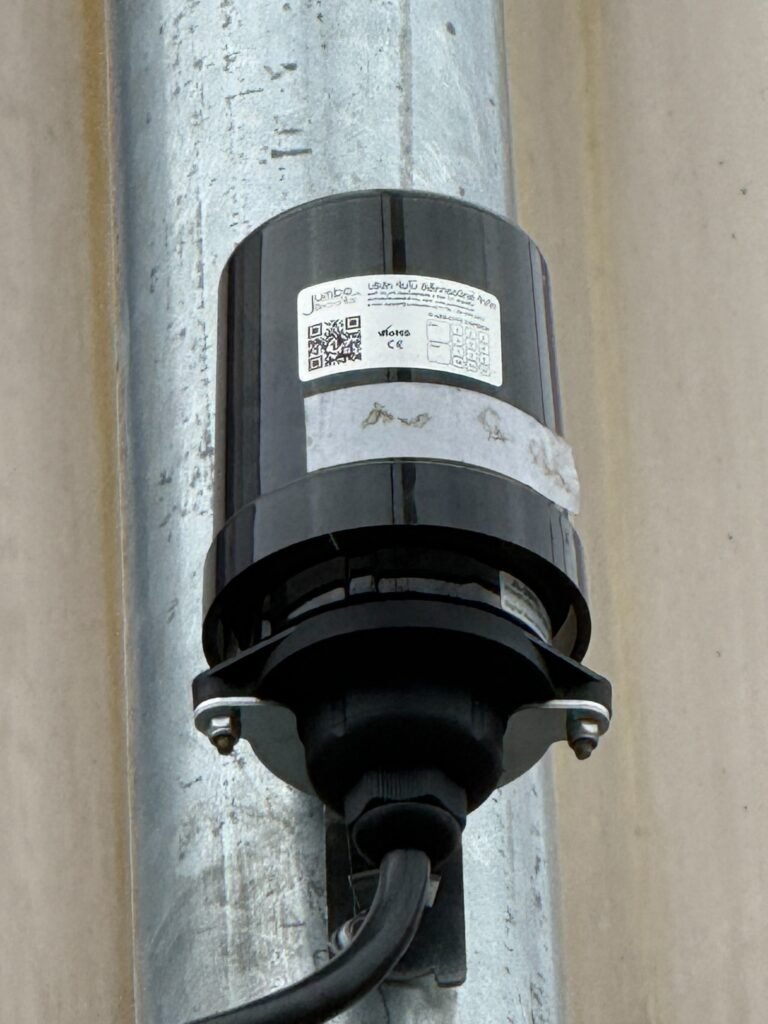
- Orienting the photocontrol sensor north to avoid self-interference
- Confirming the sealing gasket is seated before installation
- Ensuring no wires are exposed
Maintenance means periodic visual inspection of the sensor lens for contamination. Dust and road film on the lens shifts the effective sensing threshold and can cause premature switching. The lens on twist-lock models is accessible without any tools.
For IP65 and IP67 units, the housing integrity should be checked annually for early signs of gasket compression set or housing cracking, particularly in high-UV environments.
What Makes Long-Join Photocells Specifically Suited to Outdoor Protection?
Long-Join builds several protection-specific features directly into the photocell design rather than treating them as optional upgrades.
Zero-crossing switching technology reduces the voltage transient generated by the photocell’s own relay on every switching event. By switching only when the AC waveform crosses zero voltage, arcing at the relay contacts is minimised, extending contact life and reducing the switching transient that travels into the connected LED driver.
With the inclusion of external surge protection, both internally generated and externally induced electrical stress are covered. And so Long-Join photocells are designed to address all five protection dimensions in a single product.
For buyers specifying outdoor lighting in demanding environments, that combination removes the need to evaluate protection adequacy on each dimension separately. For full specifications including IP rating options, MOV surge protection tiers, and model variants, visit Chi-Swear’s photocell product range.
Safe Photocells for Outdoor Lights
Outdoor lighting protection is not a single feature; it’s a combination of different areas. Long-Join’s photocell range addresses each of these dimensions through highly recommended strategies. Specifying a photocell that covers all five protection dimensions from the start is significantly cheaper than addressing failures one by one after installation.
Frequently Asked Questions
Q1: What does Long-Join’s zero-crossing technology actually do?
It holds the relay switching action until the AC waveform passes through zero voltage. At that point the instantaneous current across the relay contacts is at its minimum, so the arcing that normally occurs when contacts open or close under load is greatly reduced, leading to slower contact wear and a longer relay service life.
Q2: What does an IP rating tell you about an outdoor photocell?
It gives you two independently tested numbers. The first digit covers solid particle protection (e.g., “6” for completely dust-tight), while the second digit covers liquid ingress (e.g., “5” for protected against water jets from any direction) at a defined flow rate and pressure.
Q3: Why is lightning surge protection important for outdoor photocells?
Direct and indirect lightning strikes can induce voltage transients on power lines through electromagnetic coupling, and those transients can reach several kilovolts. Without a surge protection device, that voltage spike reaches the photocell’s relay and control circuit and could cause permanent failure.
The MOV in Long-Join’s surge-protected models clamps the transient before it reaches the internal components, absorbing the energy and protecting both the photocell and the connected LED driver.
Q4: How does the photocell save energy?
By switching the connected fixture off when ambient daylight rises above the dawn threshold.
Q5: What are the main precautions during installation and maintenance?
During installation:
- Orient the sensor north
- Confirm the sealing gasket is properly seated before locking twist-lock units
- Ensure all wiring connections are tight with no exposed conductors.
During maintenance:
- Inspect the sensor lens for dust or contamination periodically
- Check for early signs of housing cracking or gasket degradation
- Verify terminal connections remain corrosion-free.
On twist-lock units, the whole inspection takes under a minute without any tools.