
Índice
P2: ¿Cómo investigar la interferencia de luz en un fotocontrol?
- Introducción
- ¿Qué son los ciclos de encendido y apagado y dónde aparecen?
- ¿Qué causas deben comprobarse en los sensores de movimiento?
- ¿Qué causas deben comprobarse en los fotocontroles?
- ¿Cómo orientar el diagnóstico de cada tipo de control?
- Prevención de ciclos no deseados
- Preguntas frecuentes sobre ciclos de encendido y apagado
La conmutación repetida puede alterar la iluminación y aumentar el esfuerzo de conmutación. Determine si se trata de un control de ocupación previsto o de un fallo no deseado antes de cambiar ajustes.
La iluminación exterior puede utilizar un fotocontrol, un sensor de movimiento o un controlador combinado. Diagnostique conjuntamente la función de control seleccionada, el driver y la instalación.
Un diagnóstico documentado ayuda a elegir las comprobaciones y evitar sustituciones innecesarias.
¿Qué son los ciclos de encendido y apagado y dónde aparecen?
Los ciclos no deseados aparecen cuando una luminaria se enciende y apaga repetidamente sin corresponder al control previsto de luz u ocupación. Pueden observarse en alumbrado vial, aparcamientos, zonas industriales y otras instalaciones. Distinga una secuencia de ocupación normal de un fallo y compruebe sus posibles efectos:
Puede observarse en alumbrado vial, aparcamientos, torres de iluminación, perímetros industriales y otras aplicaciones con control por luz u ocupación.
Compruebe el consumo, el esfuerzo de conmutación y la continuidad de iluminación.
- Puede alterar el consumo frente al horario de funcionamiento previsto.
- Puede aumentar el esfuerzo de conmutación; compruebe la documentación de resistencia del relé y del driver.
- Puede perjudicar la continuidad de iluminación y requerir una revisión de mantenimiento.
¿Qué causas deben comprobarse en los sensores de movimiento?
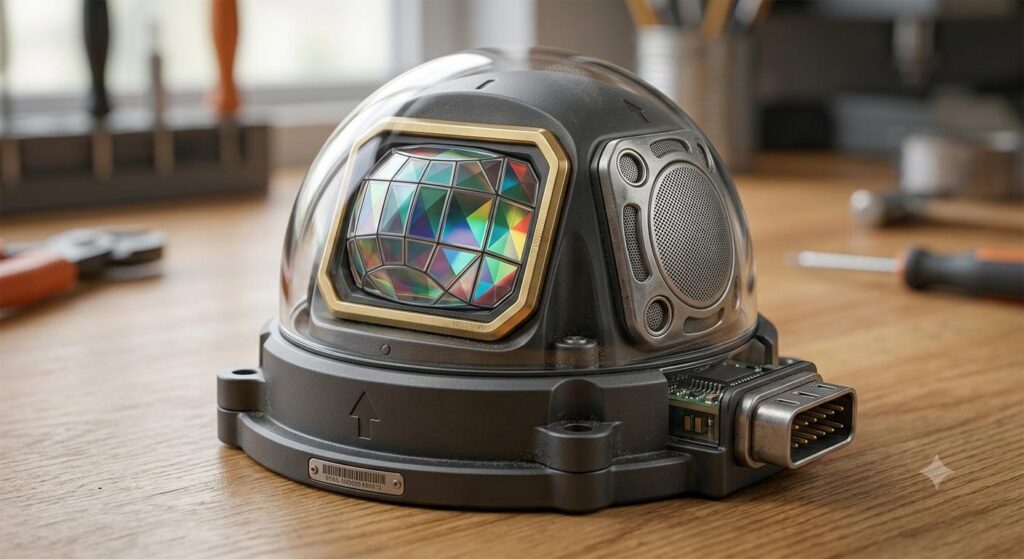
Las posibles causas dependen de la tecnología de detección y de la instalación. La tabla siguiente es una lista de comprobación para investigar, no un diagnóstico aplicable a todos los sensores.
Se presentan diez grupos de comprobaciones y posibles efectos.
| Posible causa | Descripción | Impacto |
| Detecciones no deseadas | Investigue detecciones no deseadas dentro del campo de cobertura real; la respuesta varía según la tecnología y las condiciones del lugar. | Puede provocar conmutaciones no deseadas. |
| Tiempo de mantenimiento corto | Compruebe el tiempo de mantenimiento y los ajustes de redisparo documentados según la ocupación del lugar. | Puede generar conmutaciones repetidas. |
| Campo de detección demasiado amplio | Compare el campo de detección real y la posición de montaje con el área de ocupación prevista; los disparos dependen de la tecnología de detección. | Puede producir conmutaciones fuera del patrón previsto. |
| Instalación incorrecta | Verifique la altura de montaje, la orientación y la exposición ambiental según las instrucciones del modelo seleccionado. | Verifique la detección y la exposición ambiental. |
| Driver incompatible | Verifique la compatibilidad de carga, la corriente de arranque y el comportamiento de protección del driver. | Investigue la secuencia observada; puede haber más de una causa. |
| Temperaturas extremas | Compruebe el rango de temperatura del modelo y las condiciones reales de instalación. | La respuesta depende de la tecnología y del modelo. |
| Interferencias térmicas o infrarrojas | Inspeccione la ventana PIR, los cambios de temperatura y las fuentes de calor externas según las instrucciones de diagnóstico del modelo. | Compare la respuesta observada con las instrucciones del modelo. |
| Alimentación inestable | Compruebe la alimentación y los posibles reinicios del controlador. | Los reinicios pueden alterar la secuencia de funcionamiento. |
| Deterioro del sensor | Compruebe los umbrales, los retardos y los errores documentados antes de atribuir el fallo al deterioro. | Sustituya componentes solo después de confirmar el diagnóstico. |
| Obstrucción de la ventana del sensor | Inspeccione la ventana del sensor para detectar suciedad u obstrucciones; el comportamiento resultante depende del modelo. | Una obstrucción puede alterar la detección; la respuesta depende del modelo. |
Compruebe el tiempo de mantenimiento y el comportamiento de redisparo especificados para el controlador. Un tiempo corto puede provocar conmutaciones repetidas por ocupación sin que exista necesariamente una avería.
En un aparcamiento, valide el tiempo de mantenimiento según la ocupación, el nivel de iluminación requerido y el plan de control del lugar. Cambie los ajustes solo dentro del rango documentado; un único ajuste de 30–60 segundos no resuelve todos los problemas.
¿Qué causas deben comprobarse en los fotocontroles?
En los fotocontroles, investigue la realimentación de luz, las obstrucciones del sensor, los umbrales, la alimentación, la carga y el receptáculo correspondiente. La lista no excluye otros fallos.
| Causa | Detalles | Posible efecto |
| Luz artificial no prevista | Compruebe la luz ambiental y las emisiones de otras luminarias o vehículos. | Puede alterar los umbrales de conmutación. |
| Posición de instalación | Siga las instrucciones de instalación del modelo; mantenga el sensor alejado de la luz de la propia luminaria y de la luz artificial reflejada. | Una orientación inadecuada puede alterar la luz que recibe el sensor. |
| Driver incompatible | Confirme la compatibilidad eléctrica del controlador, la carga y el driver. | Puede provocar un funcionamiento distinto del previsto. |
| Obstrucción de la ventana del fotocontrol | Inspeccione la ventana para detectar suciedad, humedad u obstrucciones. | La obstrucción puede cambiar la iluminancia recibida. |
| Errores de cableado del receptáculo | Verifique el cableado del receptáculo según la documentación del modelo. | Puede alterar la operación; confirme el diagnóstico. |
Una posible causa de ciclos en un fotocontrol es la realimentación de luz de la propia luminaria:
- La luz de la luminaria llega al sensor.
- La iluminancia recibida puede superar el umbral de apagado.
- El controlador puede apagar la luminaria según sus umbrales y retardos.
- Al apagarse, la iluminancia puede caer por debajo del umbral de encendido.
- La secuencia puede repetirse si persiste la realimentación.
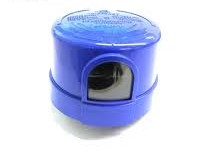
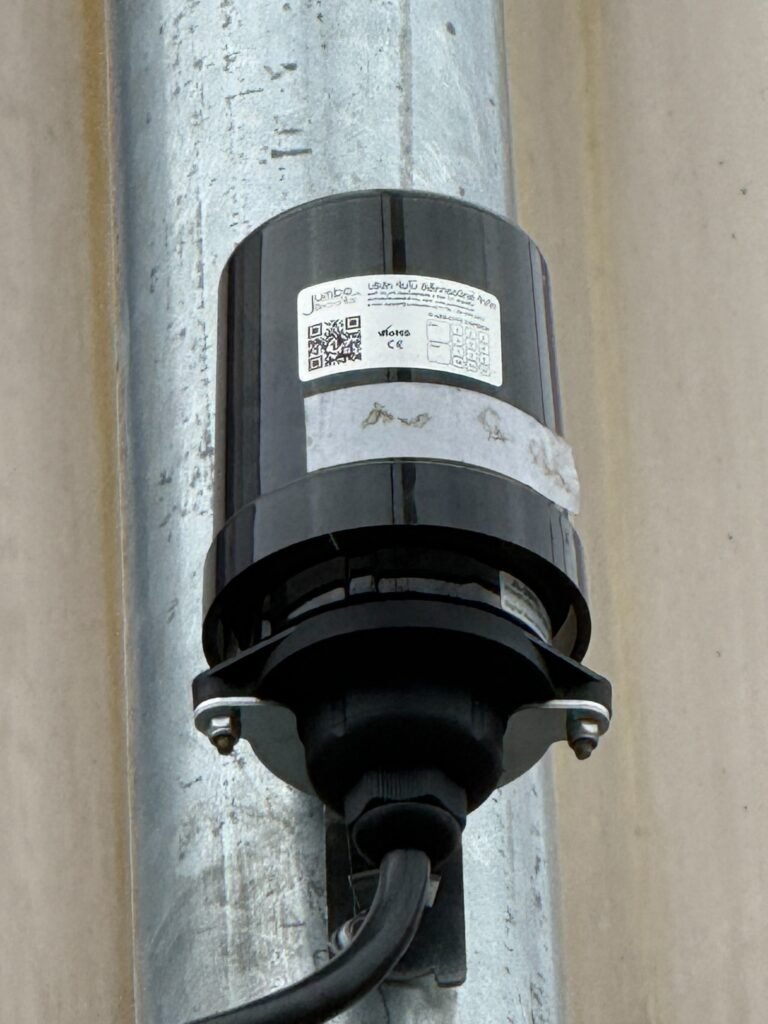
Reduzca la realimentación de luz siguiendo la orientación del sensor indicada para el modelo y manteniéndolo alejado de la luz de la propia luminaria y de los reflejos. Para fotocélulas de bloqueo giratorio, confirme la ventana del sensor y su orientación en las instrucciones del modelo seleccionado; la orientación hacia el NORTE no es un requisito universal para todos los controladores.
¿Cómo orientar el diagnóstico de cada tipo de control?
Identifique todos los dispositivos que controlan la luminaria, registre el patrón de conmutación y compárelo con las instrucciones del modelo. Compruebe la alimentación, la compatibilidad de carga y las entradas de luz u ocupación; puede existir más de una causa.
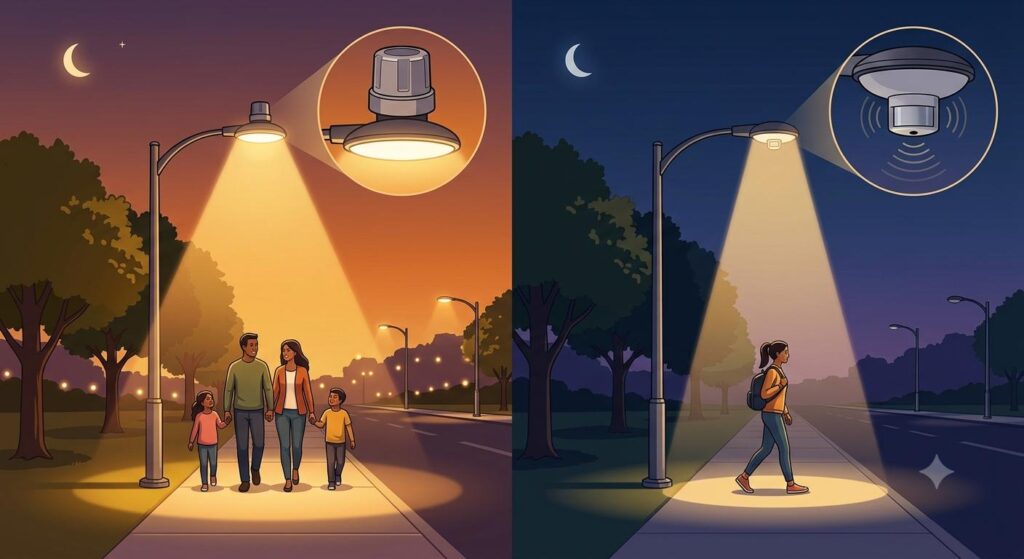
Utilice la comparación siguiente para elegir comprobaciones para cada función de control. La dificultad de diagnóstico depende del sistema real y de la documentación disponible.
| Factor de comparación | Comprobaciones del fotocontrol | Comprobaciones del sensor de movimiento | Observaciones |
| Detección de fallos | Compruebe la realimentación de luz, los umbrales, el retardo y la compatibilidad de alimentación y carga. | Compruebe la tecnología de detección, el área de cobertura, el tiempo de mantenimiento y la compatibilidad de alimentación y carga. | Utilice el procedimiento de diagnóstico del modelo; el tipo de control por sí solo no determina la dificultad de diagnóstico. |
| Resistencia ambiental | Compruebe el rango de temperatura, la protección contra agua y polvo y los requisitos de instalación del modelo. | Compruebe el rango de temperatura, la protección contra agua y polvo y los requisitos de instalación del modelo. | Compare el rendimiento documentado bajo condiciones equivalentes; la durabilidad depende del modelo. |
| Fuente de interferencia | La luz natural y artificial, los reflejos, las obstrucciones y las condiciones eléctricas pueden afectar al funcionamiento. | Los posibles disparos dependen de la tecnología de detección, el campo de cobertura y el entorno de instalación. | Evalúe la tecnología de detección seleccionada y las condiciones del lugar; no suponga que todos los sensores de movimiento responden de la misma forma. |
Prevención de ciclos no deseados
Investigue los ciclos no deseados mediante la documentación del modelo y las condiciones de instalación. Los filtros y retardos pueden ayudar en ciertas condiciones, pero no eliminan todas las causas. Para controladores combinados como JL-723A1H , confirme las funciones, los rangos de ajuste y el procedimiento de puesta en servicio de la variante seleccionada.
Preguntas frecuentes sobre ciclos de encendido y apagado
P1: ¿Qué puede provocar conmutaciones repetidas en sensores de movimiento?
Los siguientes grupos de comprobaciones pueden orientar el diagnóstico, según la tecnología y el modelo:
- Detecciones no deseadas dentro del campo real de cobertura.
- Tiempo de mantenimiento corto para la aplicación.
- Campo de detección que incluye zonas no previstas.
- Montaje u orientación distintos de los especificados.
- Compatibilidad eléctrica o de carga del driver.
- Condiciones de temperatura fuera del rango documentado.
- Cambios térmicos o fuentes infrarrojas, según la tecnología de detección.
- Alimentación inestable o reinicios del controlador.
- Estado del sensor, sus ajustes y errores documentados.
- Suciedad u obstrucciones de la ventana PIR.
Compruebe los ajustes y la posición de instalación según las instrucciones del modelo antes de atribuir el problema a una avería.
P2: ¿Cómo investigar la interferencia de luz en un fotocontrol?
Siga las instrucciones de orientación del modelo seleccionado y mantenga el sensor alejado de la luz de la propia luminaria y de los reflejos. Para selección de fotocontroles, compare la respuesta espectral, los umbrales de conmutación y los retardos; un filtro infrarrojo no evita toda la realimentación de luz artificial. Un técnico cualificado debe desconectar la alimentación antes de comprobar el receptáculo o el cableado.
P3: ¿Cómo investigar el origen de los ciclos?
Una prueba controlada de sombreado puede ayudar a identificar la realimentación de luz, pero no demuestra que el fotocontrol esté averiado. Siga el procedimiento y el retardo especificados para el modelo; un técnico cualificado debe desconectar la alimentación antes de inspeccionar el cableado, los drivers o los receptáculos. Compare la respuesta observada con la documentación del controlador antes de sustituir componentes.
P4: ¿Qué funciones y pruebas deben confirmarse para cada modelo?
Confirme las siguientes funciones y evidencias para el modelo y la configuración exactos de Long-Join:
- El rendimiento de un sensor con filtro infrarrojo depende de su respuesta espectral y de la instalación; el filtrado no elimina toda la realimentación de luz artificial.
- Cuando esté especificada, la conmutación por cruce por cero puede reducir el esfuerzo de conmutación; confirme el relé, la carga y las condiciones de ensayo del modelo seleccionado.
- Los retardos de encendido y apagado varían según el modelo y la configuración; confirme los tiempos especificados y valide la respuesta a cambios temporales de luz.
- La protección contra entrada de agua y polvo debe confirmarse para el modelo exacto y el conjunto completo, incluidos el receptáculo, la junta, el montaje y las condiciones de ensayo documentadas.
- Para la variante con relé HP del JL-207C, solicite el registro de ensayo de resistencia aplicable y confirme la carga, las condiciones de conmutación y los criterios de aceptación antes de especificar la vida útil.
P5: ¿Cómo comparar la estabilidad en condiciones climáticas exigentes?
La estabilidad en exteriores depende del dispositivo seleccionado y de la instalación completa. Compare el rango de temperatura, la protección contra entrada de agua y polvo, la tecnología de detección, las condiciones de montaje y la documentación de ensayo del modelo. Los fotocontroles y los sensores de movimiento cumplen funciones diferentes; ningún tipo es universalmente más fiable en todos los climas.
Recursos de selección y proyectos
Selección de fotocontroles · Receptáculos y accesorios NEMA · Controladores y conectores Zhaga · Integración de iluminación inteligente
Latinoamérica · Norteamérica · Europa · Preguntas frecuentes
¿Qué control ahorra más: fotocontrol o sensor de movimiento?

 English
 Spanish
 Russian
 Arabic
 Italian
 Japanese
 Portuguese