
Describir
- Introducción
- How Do Different Power Levels of Wall-Mount Light Fixtures Affect Application Scenarios?
- How Do Sensor Type, Load Capacity, and Power Consumption Influence Sensor fotoeléctrico ¿Actuación?
- Why Are Operating Light Levels and Switching Logic Important in Photocontrol Selection?
- How Do Protection Level and Failure Mode Affect Reliability in Outdoor Installations?
- Which Long-Join Photocontrol Model Should You Choose for Different Wall Pack Lighting Projects?
- What Factors Should Buyers Consider When Selecting Photocontrols for Wall Pack Fixtures?
- Palabras finales
Wall pack mount light fixtures are widely used for exterior lighting. You will see them in garages and building entrances. They provide reliable illumination while keeping installation simple.
However, lighting alone is not enough. Modern outdoor systems require automation to reduce energy waste and maintenance work. This is where photocontrols become essential.
A properly selected controlador de alumbrado público allows lights to automatically turn on at dusk and turn off at dawn. It improves energy efficiency and extends fixture lifespan.
In this guide, we will help you choose the right Long-Join JL-403C, JL-423C, or JL-412C interruptores de sensor de luz exterior for wall pack mount lighting systems.
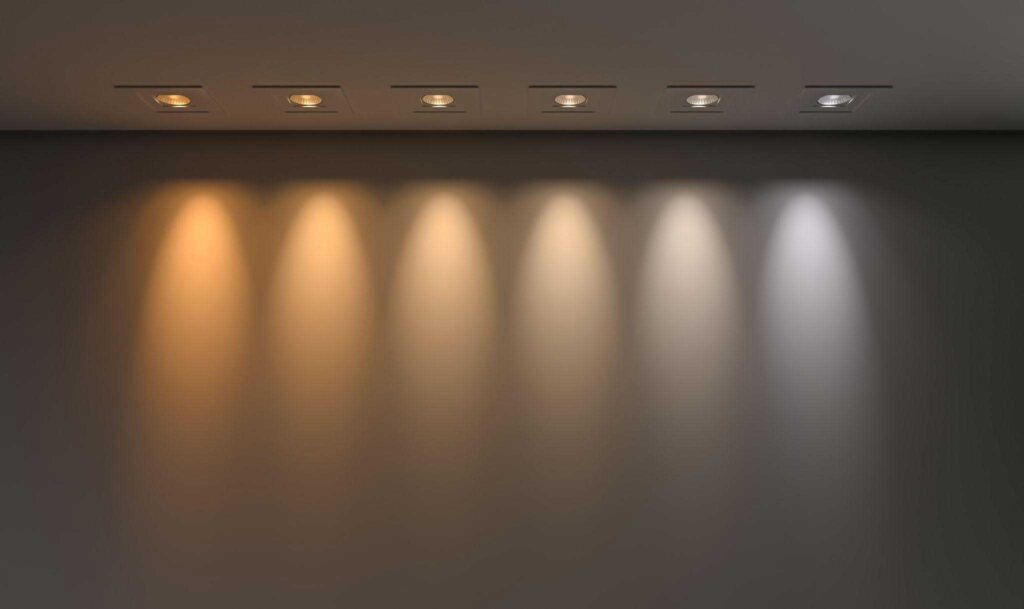
How Do Different Power Levels of Wall-Mount Light Fixtures Affect Application Scenarios?
Opting for the correct wattage is the first step to ensuring lighting reliability. Modern LED wall packs commonly come in three types. Below is explained each.
Low Power (12–28W)
These wall packs are designed for localized illumination. They work well where mounting height is limited and large brightness output is unnecessary. Typical use cases include:
- Residential pathways and sidewalks
- Garden walls and landscape lighting
- Building entrances and small doorways
- Low mounting heights around 2–3 meters
Fixtures in this range usually produce around 2,500–3,800 lumens. This is sufficient for basic navigation and safety lighting.
Medium Power (30–50W)
This wattage range is the most widely used for wall pack lighting. It balances brightness and installation flexibility.
A typical 30–50W LED wall pack produces roughly 3,900–6,500 lumens. Common applications include:
- Commercial building exteriors
- Parking lot perimeters
- Warehouses and logistics entrances
- Hotel and retail facility walls
These fixtures are often installed at 7–9 ft heights and provide reliable perimeter security lighting.
High Power (80–120W+)
These wall packs are designed for large coverage zones and higher mounting positions. Their typical applications include:
- Logistics yards
- Industrial complexes
- Large parking areas
- Commercial facility backyards and loading zones
Fixtures in this range can produce up to 14,000 lumens. This enables strong illumination over wide areas.
Recommended Mounting Height vs Wattage
| Power Range | Recommended Mounting Height | Beam Coverage Radius | Caso de uso típico |
| 12–28W | 2–3 metros | 3–5 meters | Pathways, entrances |
| 30–50W | 3–4 meters | 5–8 meters | Perímetros de los edificios |
| 80–120W+ | 4–6 metros | 8–15 meters | Warehouses, yards |
How Do Sensor Type, Load Capacity, and Power Consumption Influence Sensor fotoeléctrico ¿Actuación?
Seleccionar lo correcto interruptor de fotocélula is not only about lighting automation. Electrical compatibility matters. Sensor design, voltage range, and load capacity all determine how reliably the device operates in outdoor lighting systems.
Rated Voltage Compatibility
Most commercial photocontrols support 120–277VAC input voltage. This wide range allows one controller to work across multiple electrical systems used in North American lighting infrastructure.
Such compatibility ensures stable operation for LED drivers, HID fixtures, and fluorescent systems without requiring different models for different voltages.
In practice, this means a single control del sensor de luz can be installed in:
- Parking lot wall packs
- Warehouse security lights
- Commercial building exterior fixtures
Load Capacity Differences
Lighting loads behave differently. Photocontrol ratings, therefore, vary depending on the load type.
| Tipo de carga | Calificación típica | Razón |
| Tungsten / Incandescent | Hasta 1000 W | Resistive load with stable current |
| Magnetic Ballast (HID/Fluorescent) | Around 1800VA | Inductive load requires a higher VA capacity |
| Electronic Ballast / LED Driver | Around 5–6A | High inrush current during startup |
Power Consumption and Energy Efficiency
sensores fotoeléctricos consume small standby power. However, lower consumption improves long-term efficiency. Typical values include:
- ≤0.5W to 1W for efficient models
- Up to ~1.8W for standard controllers
Lower consumption reduces continuous parasitic energy loss. Over thousands of operating hours each year, this difference contributes to improved system efficiency.
Why Are Operating Light Levels and Switching Logic Important in Photocontrol Selection?
Photocontrol performance depends heavily on lux thresholds and switching logic. These settings determine the lights’ switching. Poor calibration can cause frequent switching or delayed operation.
Turn-On and Turn-Off Lux Thresholds
Receptáculos de fotocontrol operate based on ambient light levels measured in lujo. Typical outdoor lighting systems follow a switching logic.
● Turn-On Level
Usually around 10–20 lux. Lights activate when daylight fades.
● Turn-Off Level
Often 30–80 lux. Lights switch off once daylight returns.
The difference between these thresholds creates hysteresis. This prevents rapid on/off cycling caused by passing clouds or vehicle headlights.
Negative Proportional Switching in JL-423C
The JL-423C sensor de fotocélula de luz uses a negative proportional switching principle. Light output or switching behavior adjusts based on decreasing ambient light. Key characteristics include:
- Customizable turn-on around 16 lux and turn-off around 24 lux
- Smooth response to gradual environmental light changes
- Stable dusk-to-dawn automation for outdoor wall packs
This control logic helps maintain consistent lighting in transitional periods such as sunset and early dawn.
Adjustable Lux and Time Delay Advantages
Avanzado sensores de fotointerruptor allow lux threshold adjustment and time delay settings. Benefits include:
- Avoiding false triggers from lightning or passing car lights
- Adapting switching levels to different geographic environments
- Stabilizing lighting operation in areas with reflective surfaces or urban glare
These features improve reliability, especially in commercial building exteriors and warehouse lighting systems.
How Do Protection Level and Failure Mode Affect Reliability in Outdoor Installations?
Outdoor photocontrols operate in harsh environments. Dust and humidity can degrade electrical components. Protection rating and failure behavior, therefore, become critical selection factors.
IP54 vs IP65 Protection Levels
Ingress Protection ratings define resistance against dust and water.
| Nivel de protección | IP54 | IP65 |
| Dust Protection | Limited dust ingress allowed | Dust-tight |
| Protección del agua | Protected from splashing water | Protected from water jets |
| Aplicación típica | Semi-exposed building walls | Fully exposed outdoor fixtures |
Understanding Fail-On vs Fail-Off Modes
Failure mode defines how the photocontrol behaves when the sensor fails.
● Fail-On
Light stays ON if the photocontrol fails. Ensures safety and security lighting remains active.
● Fail-Off
Light turns OFF during failure. Prevents unnecessary energy consumption.
Different applications prioritize different behaviors. Security lighting typically prefers Fail-On. However, systems with limited energy use may opt for Fail-Off.
Reliability Matters for Outdoor Fixtures
Wall pack lights are exposed to harsh weather every day. A reliable sensor fotoeléctrico must therefore combine:
- Strong environmental sealing
- Stable switching performance
- Predictable failure behavior
Together, these factors ensure consistent lighting automation for commercial and industrial installations.
Which Long-Join Photocontrol Model Should You Choose for Different Wall Pack Lighting Projects?
Different wall pack projects require different control features. Load capacity and switching logic should guide the final model choice. Long-Join provides several options designed for commercial outdoor lighting.
JL-423C Interruptor de fotocélula

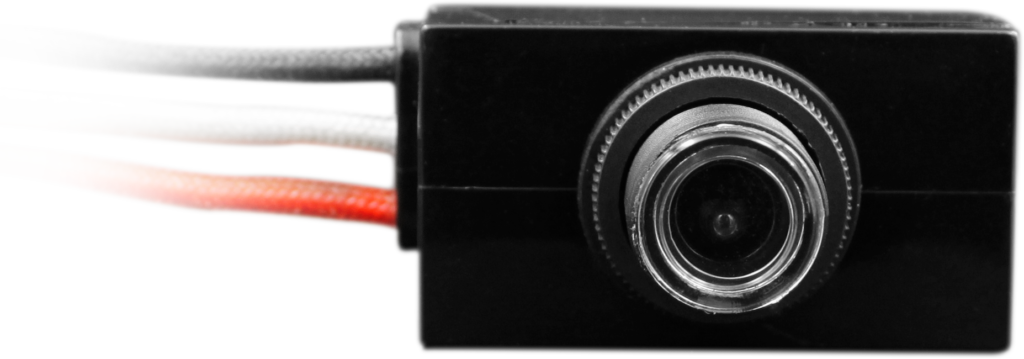
This is the most feature-rich option in this comparison. It supports adjustable lux thresholds and negative proportional switching. This makes it suitable for projects where lighting behavior must be carefully controlled.
Typical applications include:
- Commercial buildings with adaptive lighting needs
- Smart-ready outdoor lighting systems
- Projects requiring customizable turn-on/turn-off thresholds
JL-403C Sensor de fotocélula
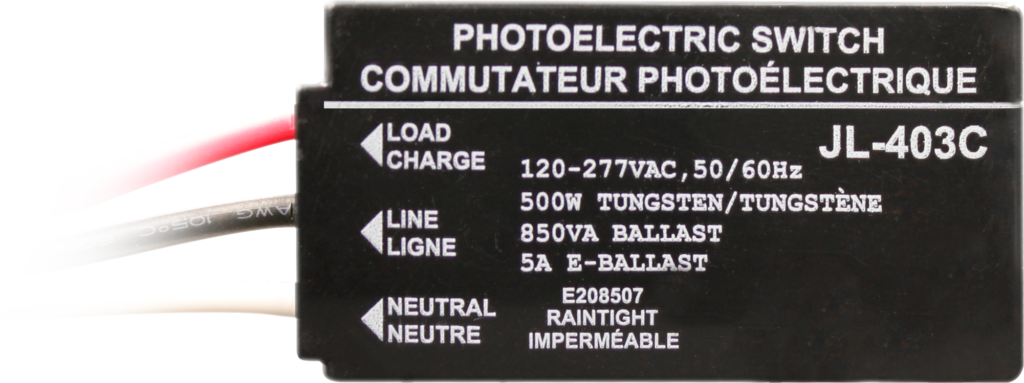
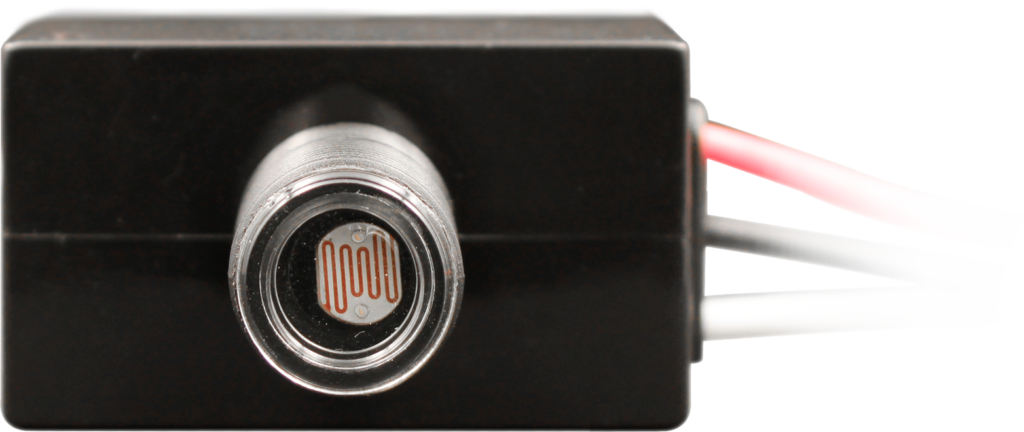
This is designed for basic dusk-to-dawn automation. It provides reliable switching without advanced configuration. It works well for:
- Medium-power wall pack fixtures
- Standard commercial exterior lighting
- Projects with stable lighting conditions
JL-412C Fotocontrol
This focuses on environmental protection and safety behavior. The Protección IP65 level allows it to perform well in exposed locations. It is commonly used in:
- Outdoor yards and industrial buildings
- Areas exposed to rain or dust
- Security lighting systems requiring Fail-On operation
What Factors Should Buyers Consider When Selecting Photocontrols for Wall Pack Fixtures?
Choosing a interruptor de sensor de luz is not just about model numbers. Buyers should evaluate several technical factors to ensure extended reliability and system compatibility.
Key Selection Factors
● Fixture Power Rating
The photocontrol load rating must match the wall pack’s wattage and electrical load. Overloading can damage internal switching components.
● Environmental Protection Level
Outdoor fixtures exposed to harsh weather conditions should use controllers with higher IP ratings for better durability.
● Lighting Load Type
Photocontrols must support the connected load, such as:
- Controladores de LED
- Magnetic or electronic ballasts
- Tungsten lamps
● Operational Flexibility
Features like adjustable lux thresholds, time delay, and reliable failure mode improve long-term system stability.
Palabras finales
Choosing the right photocontrol ensures stable switching and longer fixture life. Matching load and control features is key to reliable wall pack lighting. For consistent quality and proven performance, Chi-Swear is a reliable supplier of Long-Join photocontrollers. Their products offer dependable operation and flexible options for different outdoor lighting needs.


 Spanish
  English
  Russian
  Arabic
  Italian
  Japanese
  Portuguese