
Schema
- Introduzione
- Perché la scelta del materiale di copertura è importante per le coperture esterne di livello ingegneristico? Controllo dell'illuminazione?
- Perché la “massima trasparenza” è un presupposto fuorviante per l’outdoor Fotosensore Precisione?
- Quali sono gli effetti degli stress ambientali all'aperto Fotocontrollo Copre il viso per tutta la vita?
- Quali problemi a lungo termine comportano le coperture completamente trasparenti?
- Perché le coperture completamente trasparenti tendono ad ingiallire e ad invecchiare il materiale?
- In che modo le coperture trasparenti causano la deriva della soglia di luminosità all'aperto? Sensori di interruttore fotografico?
- Perché le coperture completamente trasparenti sono più vulnerabili alla luce riflessa e parassita?
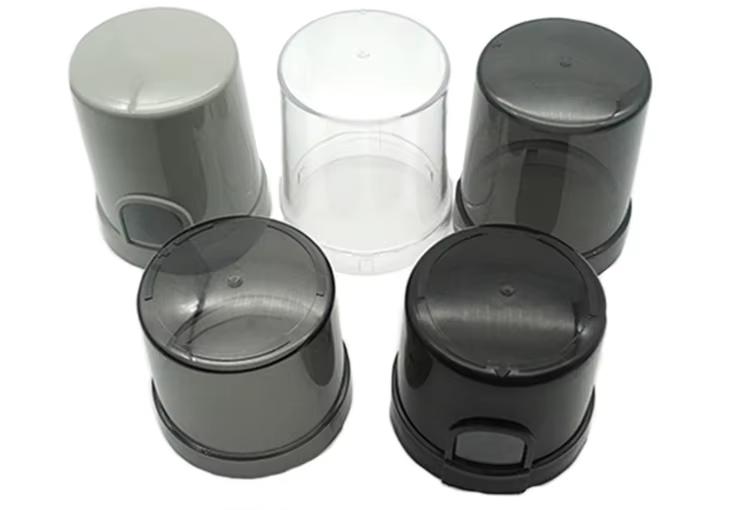
- Perché le coperture nere traslucide sono diventate la soluzione ingegneristica preferita?
- Qual è la strategia di selezione ingegneristica consigliata per Interruttori con sensore di luce esterna?
- Quando è ancora opportuno valutare le coperture trasparenti e a quali condizioni?
- Parole finali
Il colore della copertura di una fotocellula è molto importante all'aperto, perché influenza direttamente la precisione con cui la luce viene rilevata nel tempo.
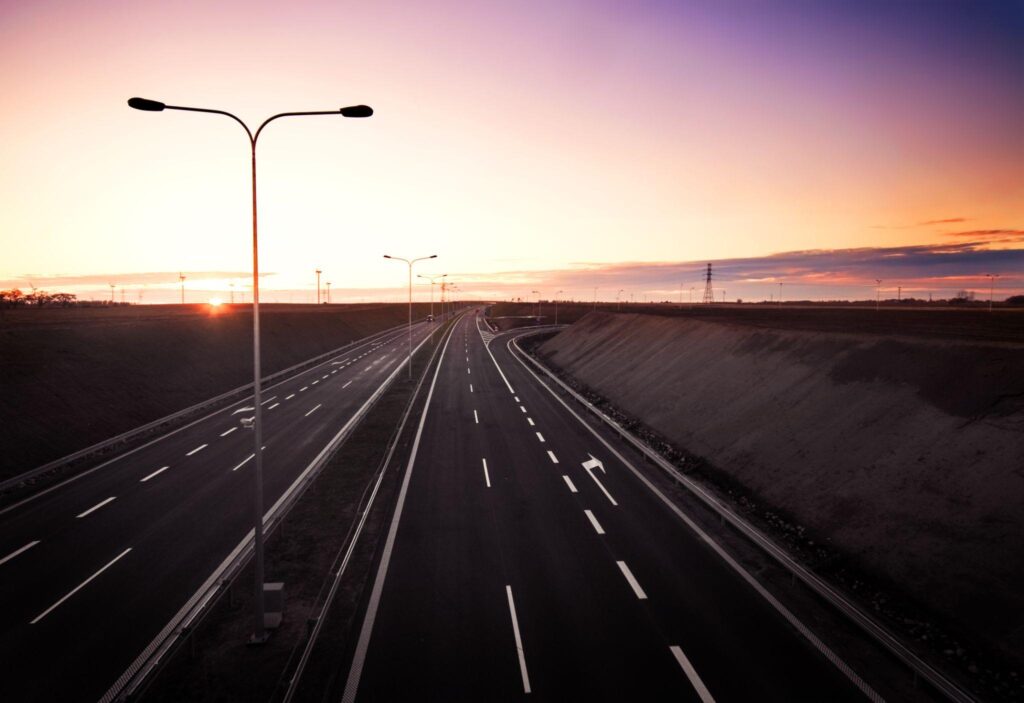
Negli ambienti di illuminazione stradale reale, le condizioni sono difficili e imprevedibili. Una scelta inadeguata della copertura può causare un'accensione anticipata o uno spegnimento ritardato.
Ciò porta a reclami, maggiore manutenzione e incoerenza del sistema. Questo articolo spiega perché le coperture nere traslucide sono più performanti di quelle completamente trasparenti nell'uso esterno a lungo termine.
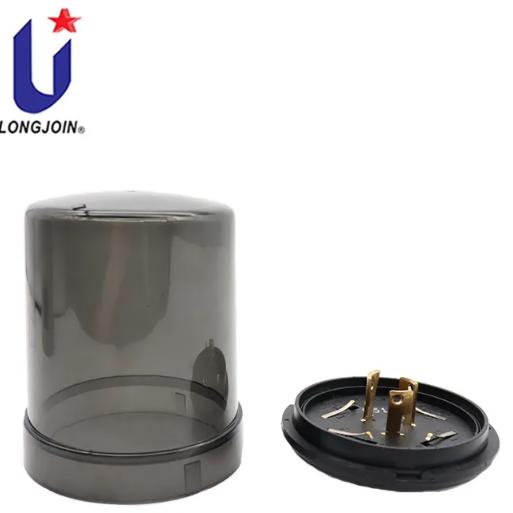
Perché la scelta del materiale di copertura è importante per le coperture esterne di livello ingegneristico? Controllo dell'illuminazione?
La scelta del materiale di rivestimento giusto non è un dettaglio da poco. Influisce direttamente sul modo in cui la luce raggiunge il sensore. Esterno interruttore fotocellula si trova ad affrontare condizioni estreme come:
- UV
- Calore
- Polvere
- Umidità
Questi fattori possono modificare le proprietà ottiche nel tempo e distorcere le letture. Gli ambienti esterni sono molto più ostili rispetto alle condizioni di laboratorio, dove la trasparenza iniziale sembra buona.
Sul campo, la plastica può degradarsi, riducendo la precisione. Una copertura resistente ai raggi UV protegge i componenti interni e mantiene la rilevazione stabile più a lungo.
Senza il materiale giusto, sensori di illuminazione a fotocellula guasti precoci, con conseguenti problemi di manutenzione e illuminazione incoerente nei progetti municipali e nelle smart city. I professionisti progettano coperture per bilanciare protezione, stabilità e prestazioni reali.
Perché la “massima trasparenza” è un presupposto fuorviante per l’outdoor Fotosensore Precisione?
Molti acquirenti pensano che una copertura completamente trasparente significhi una migliore rilevazione della luce. A prima vista, più luce sembra migliore.
Ma la trasparenza grezza non garantisce stabilità a lungo termine. L'esposizione ai raggi UV all'aperto degrada molte plastiche trasparenti, causandone l'ingiallimento e riducendone la trasmissione. La trasmissione iniziale è indicativa delle prestazioni solo in condizioni ideali, non dopo anni di esposizione all'aria aperta.
Ciò che conta è la costanza con cui la copertura mantiene il suo comportamento ottico.
Una copertura inizialmente trasparente ma che si degrada rapidamente modificherà le soglie di rilevamento, causando una commutazione anticipata o ritardata. Gli ingegneri danno priorità a materiali che resistono all'invecchiamento causato dai raggi UV e mantengono una trasmissione stabile nel tempo, anche se non sono completamente trasparenti.
La stabilità ottica a lungo termine è sempre migliore della chiarezza a breve termine.
Quali sono gli effetti degli stress ambientali all'aperto Fotocontrollo Copre il viso per tutta la vita?
Esposizione costante ai raggi UV e al sole
Controlli dell'illuminazione espongono alla luce solare diretta ogni giorno. Questo li rende vulnerabili a Radiazioni UV Attacchi. In definitiva, le superfici plastiche si indeboliscono e compromettono i legami molecolari. Nel tempo, ciò riduce la chiarezza ottica e la stabilità.
Condizioni meteorologiche estreme
L'illuminazione stradale è soggetta a pomeriggi caldi e notti fredde. Questo ciclo termico provoca ripetute espansioni e contrazioni. Piccole crepe, insieme a fenomeni di affaticamento superficiale, compaiono gradualmente.
Umidità e luce riflessa
Gli ambienti esterni introducono molteplici fonti di stress:
- Pioggia e condensa
- Nebbia salina nelle zone costiere
- Polvere e inquinamento industriale
- Luce riflessa da strade, segnali stradali e apparecchi di illuminazione
Questi fattori distorcono il percorso della luce in ingresso. Insieme, accelerano l'instabilità ottica e riducono l'affidabilità del rilevamento a lungo termine.
| Fattore ambientale | Frequenza di esposizione | Livello di rischio ottico | Impatto primario sulla copertura |
| Radiazioni UV | Continuo | Molto alto | Ingiallimento, formazione di foschia |
| Cicli di temperatura | Quotidiano | Alto | Microfessurazioni, fatica |
| Alta umidità | Stagionale / Giornaliero | Medio | Appannamento, condensa |
| Nebbia salata (costiera) | Basato sulla posizione | Alto | Degrado superficiale |
| Inquinamento atmosferico | Urbano / Industriale | Medio | Dispersione della luce |
Quali problemi a lungo termine comportano le coperture completamente trasparenti?
Invecchiamento anche nelle plastiche di alta qualità
Policarbonato e l'uso del PMMA è piuttosto comune per la trasparenza. Inoltre, invecchiano sotto l'azione dei raggi UV e del calore. Gli additivi protettivi rallentano la degradazione, ma non la fermano.
Perdita di trasmissione
Con l'avanzare dell'invecchiamento si formano delle coperture trasparenti:
- Scolorimento giallo
- Foschia superficiale
- Aumento della dispersione della luce
La trasmissione della luce diminuisce in modo non uniforme. Il sensore non riceve più un'illuminazione uniforme.
Il rischio aumenta nel corso di 5-10 anni
I sistemi di illuminazione per esterni sono progettati per lunghi cicli di vita. Le coperture trasparenti si degradano gradualmente ma in modo continuo. Dopo anni di esposizione, il comportamento ottico cambia a tal punto da compromettere la precisione di rilevamento, aumentare la manutenzione e ridurre l'uniformità del sistema nelle installazioni di grandi dimensioni.
Ecco una tabella comparativa delle coperture nere e trasparenti in base al loro invecchiamento nel tempo.
| Proprietà nel tempo | Copertura completamente trasparente | Copertura nera traslucida |
| Resistenza ai raggi UV | Moderare | Alto |
| Tendenza all'ingiallimento | Alto | Basso |
| Stabilità ottica | Diminuisce in modo non lineare | Rimane stabile |
| Rischio di foschia superficiale | Alto | Basso |
| Prevedibilità della durata della vita | Basso | Alto |
Perché le coperture completamente trasparenti tendono ad ingiallire e ad invecchiare il materiale?
Decomposizione molecolare guidata dai raggi UV
Le coperture trasparenti sono solitamente realizzate in PC o PMMA. Entrambi i materiali reagiscono male alle lunghe esposizioni ai raggi UV. L'energia UV rompe le catene polimeriche e forma composti cromofori.
Questi composti assorbono la luce blu, causando un visibile ingiallimento.
La trasmissione della luce cambia in modo non uniforme
L'invecchiamento non riduce la trasmissione in modo lineare. Cambia in modo non uniforme lungo le lunghezze d'onda.
Ciò porta a:
- Formazione di foschia
- Aumento della dispersione della luce
- Efficace ridotto lusso raggiungere il sensore
Impatto sulla calibrazione
Sensori fotocellula luminosi sono calibrati per un percorso ottico fisso. Con l'invecchiamento della copertura, quel percorso cambia. La precisione della calibrazione si perde gradualmente. Il sensore non riceve più il livello di luce per cui è stato progettato. Le prestazioni variano silenziosamente nel tempo.
In che modo le coperture trasparenti causano la deriva della soglia di luminosità all'aperto? Sensori di interruttore fotografico?
Il degrado ottico altera l'input del sensore
Poiché le coperture trasparenti ingialliscono o diventano foschie, una quantità minore di luce utilizzabile raggiunge il sensore. controllo del sensore di luce non "fallisce". Interpreta male le condizioni ambientali. Questa è la causa della deriva della luce.
Sintomi tipici del campo
Piccole modifiche ottiche creano grandi effetti sul sistema:
- Accensione anticipata al tramonto
- Spegnimento ritardato all'alba
- Differenze di commutazione casuali tra gli apparecchi
Problemi di coerenza a livello di rete
Nelle grandi reti di illuminazione stradale, non tutte le coperture invecchiano allo stesso modo. Questo causa:
- Comportamento di illuminazione non uniforme
- Aumento dei reclami
- Costi di manutenzione e ricalibrazione più elevati
Ecco perché è la stabilità ottica, non la trasparenza, a definire la precisione a lungo termine.
Perché le coperture completamente trasparenti sono più vulnerabili alla luce riflessa e parassita?
Autoriflessione dell'apparecchio di illuminazione
Le coperture completamente trasparenti consentono alla luce proveniente dall'apparecchio di illuminazione di rientrare nel sensore. Questa luce, inclusa la luce riflessa dall'alloggiamento dell'apparecchio e dalla camera ottica, viene interpretata erroneamente dal sensore come luce ambientale.
Ingresso laterale e riflessione a terra
I materiali trasparenti offrono scarso controllo sui percorsi di luce indesiderati. La luce parassita entra da:
- Riflessi della superficie stradale
- Facciate e segnaletica degli edifici
- Apparecchi di illuminazione adiacenti
Ciò distorce le letture ambientali reali.
Sfide dei sensori rivolti verso l'alto
I design rivolti verso l'alto sono comuni nell'illuminazione stradale. Le coperture trasparenti amplificano il problema. Permettono alla luce riflessa e a bassa angolazione di raggiungere facilmente il sensore. Il risultato è un falso rilevamento della luminosità, una commutazione instabile e un comportamento di accensione/spegnimento incoerente tra le installazioni.
La tabella seguente illustra le diverse fonti di luce e il loro impatto sulla gravità.
| Fonte di luce diffusa | Percorso di ingresso | Impatto sul rilevamento | Livello di rischio |
| Alloggiamento dell'apparecchio di illuminazione | Riflessione | Falsa luminosità | Alto |
| superficie stradale | Riflessione verso l'alto | Spegnimento ritardato | Medio |
| Segnaletica nelle vicinanze | Ingresso laterale | Commutazione casuale | Medio |
| Apparecchi di illuminazione adiacenti | Ingresso laterale | Rumore di soglia | Alto |
Perché le coperture nere traslucide sono diventate la soluzione ingegneristica preferita?
Decisioni supportate dai dati sul campo
Il cambiamento nel settore non è avvenuto dall'oggi al domani. I dati raccolti sul campo a lungo termine hanno dimostrato che la filtrazione controllata della luce offre prestazioni migliori rispetto alla trasparenza totale. Le coperture nere traslucide invecchiano in modo più prevedibile e mantengono un comportamento di rilevamento stabile.
Adozione europea e comunale
Le norme europee sull'illuminazione stradale danno priorità alla stabilità del ciclo di vita. I progetti comunali richiedono sempre più spesso coperture nere traslucide per:
- Ridotta sensibilità alla luce parassita
- Migliore consistenza della soglia di lux
- Minori esigenze di ricalibrazione e manutenzione
Le implementazioni su larga scala hanno confermato i risultati. Le prestazioni sono rimaste costanti anno dopo anno. Questa evidenza ha favorito un'adozione più ampia. Oggi, le coperture nere traslucide sono considerate una scelta ingegneristica matura e a rischio controllato, piuttosto che un compromesso progettuale.
Qual è la strategia di selezione ingegneristica consigliata per Interruttori con sensore di luce esterna?

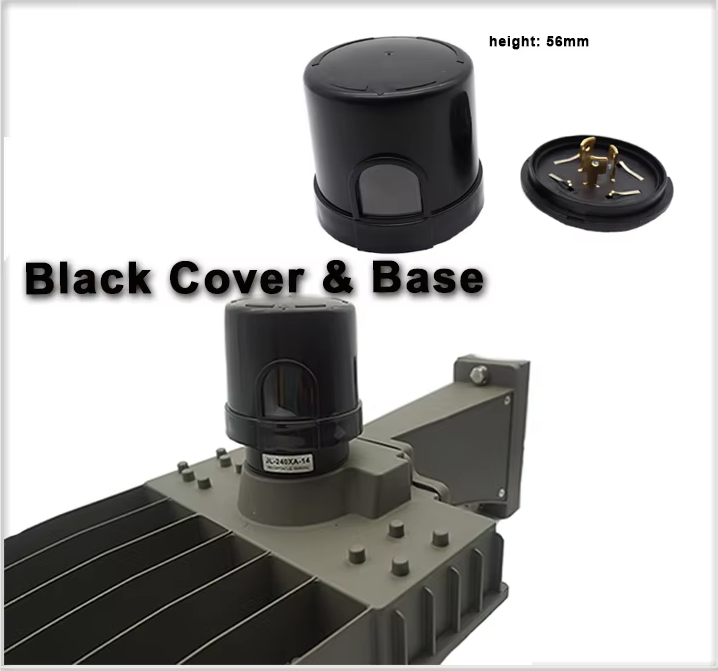
La configurazione più affidabile prevede un sensore di luce verso l'alto con una copertura nera traslucida. Questo garantisce che il sensore rilevi la vera luce ambientale e non i riflessi.
Casi d'uso ideali
Questa configurazione è adatta per progetti infrastrutturali di lunga durata quali:
- Illuminazione stradale comunale
- Sistemi di traffico e viabilità
- Installazioni di città intelligenti che richiedono un funzionamento stabile
Vantaggi principali
L'utilizzo di questa configurazione offre vantaggi ingegneristici misurabili:
- Soglie di lux stabili nel tempo
- Comportamento di commutazione coerente tra le reti
- Manutenzione e ricalibrazione ridotte
- Minore costo totale di proprietà grazie a prestazioni prevedibili a lungo termine
Quando è ancora opportuno valutare le coperture trasparenti e a quali condizioni?
Le coperture trasparenti sono adatte solo per campionature, prototipi o validazione del progetto. Non dovrebbero essere considerate per la distribuzione su larga scala.
Se è necessaria una valutazione:
- Eseguire test di invecchiamento UV per valutare l'ingiallimento a lungo termine
- Eseguire studi di illuminazione comparativa rispetto alle versioni nere traslucide
- Monitorare la deriva della soglia di lux per mesi o anni
Le coperture trasparenti si degradano in modo imprevedibile all'esterno. Senza test adeguati, affidarsi a esse può comportare costi di ciclo di vita più elevati. Una valutazione controllata mantiene i rischi visibili e gestibili.
Parole finali
Le prestazioni delle fotocellule per esterni dipendono dalla stabilità ottica a lungo termine, non dalla trasparenza iniziale. Le coperture nere traslucide garantiscono un rilevamento costante e una manutenzione ridotta durante l'intero ciclo di vita del prodotto. Per progetti che richiedono un'affidabilità comprovata, Chi-Swear collabora a stretto contatto con Long-Join per fornire fotocontrollori testati sul campo e supportati da competenze ingegneristiche.

 Italian
  English
  Spanish
  Russian
  Arabic
  Japanese
  Portuguese