
OUTLINE
- Introduzione
- What Makes Twist-Lock Photocontrols the Right Choice?
- What Makes Wire-In Photocontrols the Right Choice?
- How Do the Three Models Compare?
- Wire-in or Twist-lock
- Frequently Asked Questions on Wire-in and Twist-lock Photocells
Choosing between a wire-in and a twist-lock photocontrol comes up on almost every outdoor lighting project, and the answer is rarely complicated once you know what each format is actually built for.
The installation method determines maintenance speed, fixture compatibility, and how easy the system is to service years down the line.
If you get it right at the specification stage, the photocell becomes a non-issue for the life of the project.
This guide focuses on three Long-Join models that cover this selection headache, and explains where each one belongs.
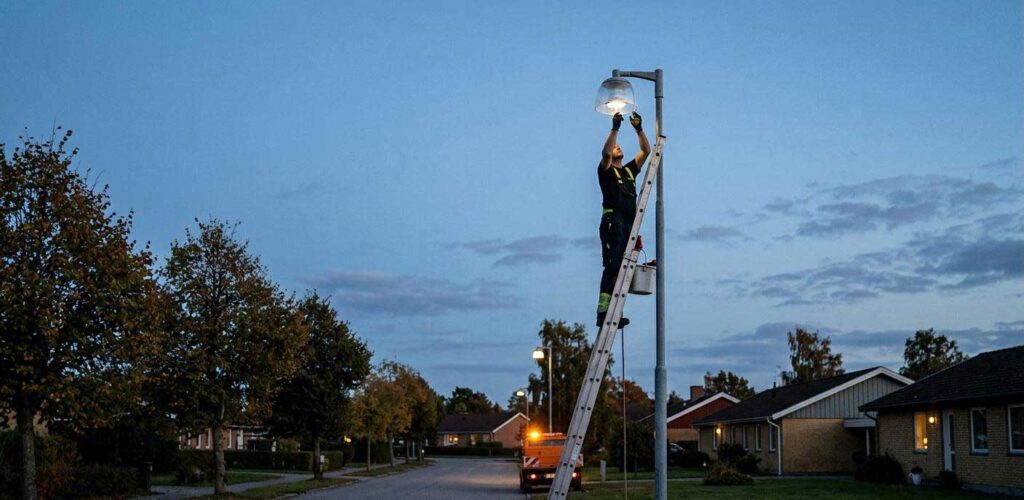
What Makes Twist-Lock Photocontrols the Right Choice?
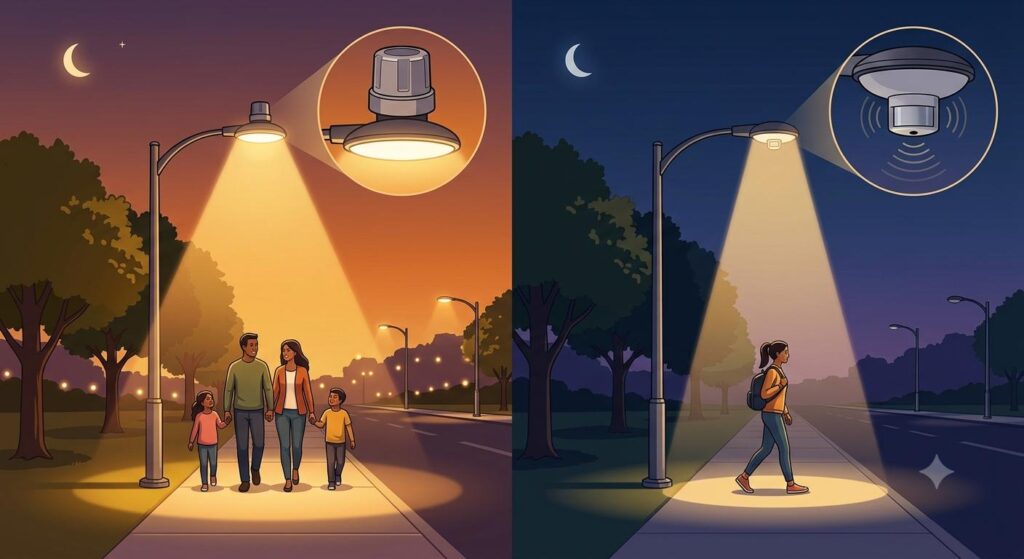
Twist-lock photocontrols use the ANSI C136.10 standard interface to plug directly into a NEMA receptacle on the fixture, making them the preferred format for any project where installation speed and maintenance efficiency matter.
IL JL-207C is Long-Join’s primary twist-lock model for demanding outdoor applications. It covers 120-277VAC, carries a load rating of 1,800VA ballast, and includes an IR-filtered phototransistor that filters out vehicle headlights and mixed artificial light sources.
Its zero-crossing switching technology reduces contact arcing on every switching event, which directly extends relay life in installations that switch twice daily year-round. Available in IP54, IP65, and IP67 configurations, it covers everything from standard urban street lighting through to coastal and industrial environments where the housing needs to hold against sustained water and dust exposure.
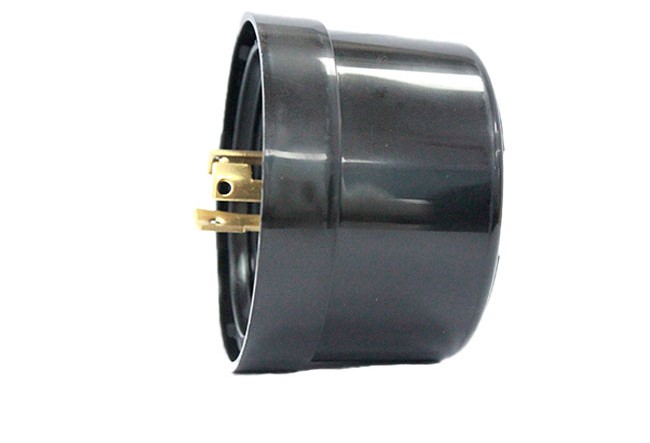
Where the JL-207C belongs:
- Illuminazione stradale comunale
- Urban roadway projects
- Commercial parking lot lighting
- Industrial outdoor lighting
IL JL-200X is Long-Join’s ANSI C136.10-compliant 3-pin NEMA receptacle base, the counterpart hardware that the JL-207C and other twist-lock photocontrols plug into. It is available in wire gauges from #12 AWG for high-current municipal roadway applications through to #18 AWG for signal and control wiring, making it adaptable across different load and circuit requirements.
For projects specifying the JL-240XA 7-pin NEMA base for future smart lighting compatibility, the JL-200X handles standard 3-pin installations in the interim without requiring fixture modification when the upgrade comes.
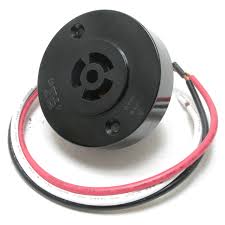
Where the JL-200X belongs:
- Any installation requiring a standardised NEMA 3-pin receptacle base
- Multi-brand street lighting projects where receptacles and photocontrol may be from different suppliers
- Retrofit projects adding NEMA receptacle infrastructure to existing fixtures
Several twist-lock photocells and receptacle bases are available on Chi-Swear, with all specifications and features listed.
What Makes Wire-In Photocontrols the Right Choice?
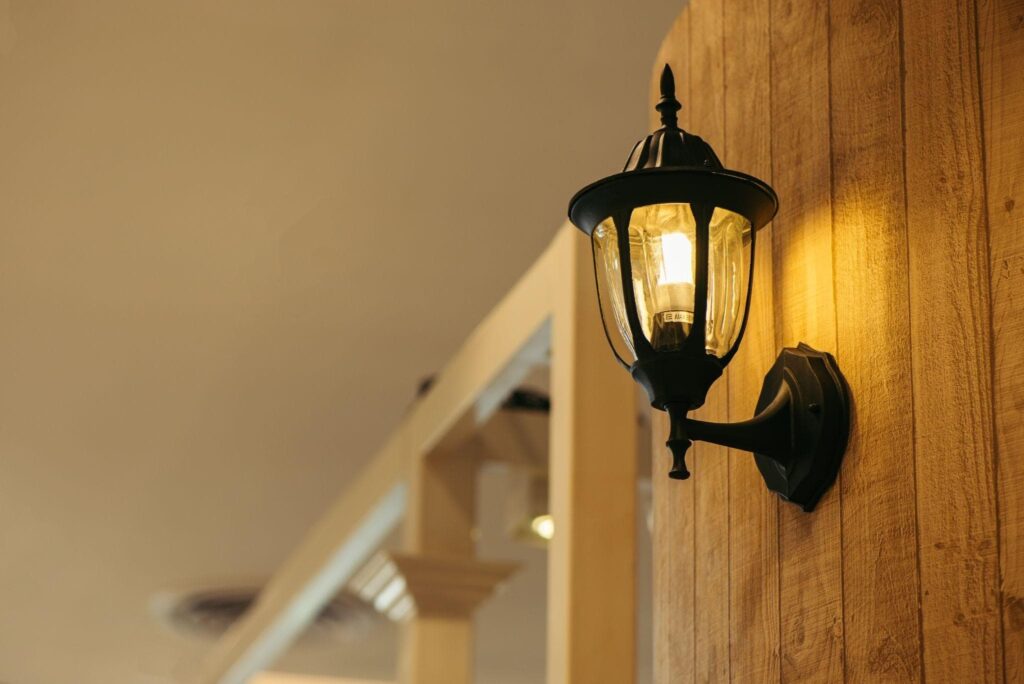
Wire-in photocontrols connect directly through a knockout hole in the fixture housing and suit installations without a NEMA receptacle where the fixture design doesn’t accommodate a twist-lock interface.
IL JL-403C is Long-Join’s primary wire-in model for commercial and high-power applications. It operates across 120-277VAC, carries a 500W tungsten load rating, and uses a phototransistor sensing circuit with a 3-10 second time delay. It is also UL773A and cUL listed, CE and RoHS certified, and carries IP54 protection.
The JL-403C’s wire-in format suits fixtures where the housing design integrates the photocell directly into the wiring rather than through a surface-mount receptacle. It handles the sustained load and repeated switching demands of these environments reliably under its rated specifications.
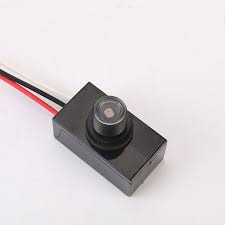
Where the JL-403C belongs:
- Parking lot floodlighting and large-area commercial lighting
- Sports field and stadium perimeter lighting
- Industrial outdoor fixtures without NEMA receptacle provision
- Compact wall packs and fixtures where housing space limits the photocell format
How Do the Three Models Compare?
| Prodotto | Tipo di montaggio | Applicazione tipica | Vantaggi principali |
| JL-207C | Blocco a torsione | Street lighting, urban outdoor lighting | Easy installation, good protection, compatible with mainstream fixtures |
| JL-200X | Receptacle base | Multi-brand street lighting, NEMA infrastructure | Broad compatibility, multiple wire gauges, ANSI compliant |
| JL-403C | Collegamento via cavo | Parking lots, high-power outdoor floodlighting | Flexible wiring, high power control, safe, and stable |
The right choice between twist-lock and wire-in consistently comes down to two questions:
- Does the fixture have a NEMA receptacle?
- How often is maintenance access likely to be needed?
If the answer to both is yes, twist-lock. If the fixture has no receptacle or the photocell is expected to outlast any practical maintenance window, wire-in. The JL-207C and JL-200X together handle the first scenario. The JL-403C handles the second.
Full specifications for all three models are available on Chi-Swear’s blocco a torsione E collegamento a filo photocell product pages.
Wire-in or Twist-lock
Long-Join’s JL-207C, JL-200X, and JL-403C cover both ends of the photocontrol installation spectrum. The JL-207C delivers advanced sensing and relay technology in the twist-lock format. The JL-200X provides the standardised receptacle base that makes the twist-lock system work. The JL-403C brings wire-in flexibility and high-power capability to fixtures where the twist-lock format isn’t an option. Together, they cover the main installation scenarios in outdoor commercial and municipal lighting without compromise.
Frequently Asked Questions on Wire-in and Twist-lock Photocells
Q1: What advantages do twist-lock photocontrols have over wire-in types?
Twist-lock photocontrols plug into a NEMA receptacle and lock with a quarter-turn rotation, requiring no tools and no rewiring for installation or replacement. On fixtures mounted at height, that speed difference adds up significantly across a large maintenance programme.
Q2: What lamp powers is the JL-403C wire-in photocontrol suited for?
The JL-403C is rated at 500W tungsten and handles the load requirements of medium to high-power floodlights used in parking lot lighting, sports field perimeter lighting, and industrial area lighting.
Q3: What should be checked during twist-lock photocontrol installation?
Three things:
- Confirm the brass terminal pins are clean and undamaged before insertion
- Verify the sealing gasket at the receptacle base is intact and properly seated
- Confirm the directional indicator on the photocell top is facing north after locking.
A damaged gasket allows moisture ingress at the receptacle joint, which is one of the most common points of failure in NEMA-mounted installations.
Q4: Can the JL-207C and JL-200X be used interchangeably with other brands?
Yes, within the ANSI C136.10 standard. The JL-207C will fit any ANSI-compliant 3-pin receptacle, and the JL-200X receptacle base will accept any ANSI-compliant twist-lock photocontrol.
Q5: How do you quickly diagnose a photocontrol fault?
Start with the simplest checks first. Verify the connections are solid and the terminals are free of corrosion. Check whether the sensor surface is blocked or contaminated; dust or debris on the lens can cause the unit to read permanently dark and keep the light on through daylight.
If connections and the lens are clear, test with a known working unit by swapping it in. The twist-lock format makes this swap take under a minute. If the replacement unit behaves correctly, the original unit has failed internally and needs replacement.




 Italian
  English
  Spanish
  Russian
  Arabic
  Japanese
  Portuguese