
Schema
- Introduzione
- What Are the Key Differences Between JL-403C, JL-423C, and JL-423C(M) Photocell Lighting Sensors?
- What Common Structural Features Do JL-403C, JL-423C, and JL-423C(M) Sensori di luce Condividere?
- How Do the Technical Specifications of JL-403C, JL-423C, and JL-423C(M) Compare?
- Which Photocontrol Model Should You Choose for Different Lighting Projects?
- Which Wired Photocontrol Provides the Best Balance of Control and Protection?
- Parole finali
Outdoor lighting needs reliable automation. Interruttori fotoelettrici make that possible. They automate light switching based on ambient light levels. This improves energy efficiency and reduces manual operation.
However, not all wired photocontrols are built the same. Different models offer different control precision and switching technologies. Choosing the right one directly affects lighting performance and system reliability.
This article compares three widely used wired photocontrol models: JL-403C, JL-423C with a negative proportional switch, and JL-423C(M). The goal is simple—help buyers select the right photocontrol for their lighting projects.

What Are the Key Differences Between JL-403C, JL-423C, and JL-423C(M) Photocell Lighting Sensors?
These three models belong to the same wired photocontrol family. All are designed for switching automation in outdoor lighting fixtures. They sense ambient light and switch lamps on or off accordingly.
However, their capabilities are not identical. Below, we explain how they differ.
JL-403C and Its Applications
This is a standard wired sensore di luce fotocellula esterna designed for simple lighting automation. It detects ambient light levels and automates luminaires’ switching based on that.
Le specifiche tipiche includono:
- 120–277VAC operation
- 500W tungsten load capacity
- A 10–20 lusso ON
- 30–80 lux OFF trigger range
Key characteristics
- Di base sensore fotografico switching design
- No negative proportional switching
- No surge protection
- No zero-cross switching technology
Because of its simple structure, JL-403C is commonly used in porch lights and pathway lighting where only reliable control is required.
JL-423C Improve Controllo dell'illuminazione with a Negative Proportional Switch
Questo sensore di luce builds on the same automatic lighting concept but introduces more precise light sensing and control logic. It uses an electronic circuit with a microcontroller and an IR-filtered phototransistor sensor to improve sensing accuracy.
The key upgrade is the negative proportional switch function. This feature allows more sensitive adjustment of light trigger levels, improving switching accuracy in environments with fluctuating ambient light.
Key capabilities include:
- Adjustable light response sensitivity
- Typical switching point 16 lux ON / 24 lux OFF
- Wide voltage compatibility (120–277VAC)
- Selectable failure mode: Fail-On or Fail-Off
This makes JL-423C suitable for commercial lighting systems requiring more precise control.
JL-423C(M) the Most Advanced Model
Questo fotosensore switch is the enhanced protection version of the JL-423C. It retains the negative proportional switching function but adds important electrical protection features.
The most significant upgrade is MOV surge protection. It supports voltage spikes up to 460J / 10kA. This protects the lighting circuit from voltage spikes caused by lightning and grid disturbances.
Another improvement is zero-cross switching technology. This design switches loads when the AC waveform crosses zero voltage. This reduces electrical stress and extends relay life.
Main advantages:
- 460J / 10kA surge protection
- Zero-cross switching for stable operation
- Negative proportional switching control
- Designed for harsh electrical environments
Because of these upgrades, JL-423C(M) is typically used in municipal lighting and high-reliability lighting systems.
What Common Structural Features Do JL-403C, JL-423C, and JL-423C(M) Sensori di luce Condividere?
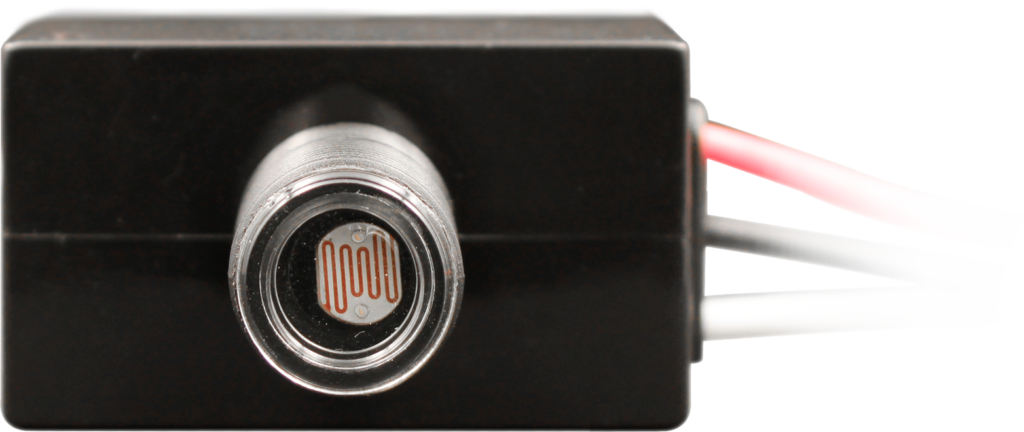
All these products share almost the same structural design. They are built for outdoor lighting fixtures such as wall packs and street luminaires. Their primary aim is to ensure reliable operation in harsh weather and extended installations.
These models share a unique housing structure designed for outdoor environments. Interruttore sensore di luce units in this category typically include sealed caps and wiring that stand up effectively against harsh weather conditions. This helps maintain stable performance under humidity and temperature variations.
Key Structural Components
Aluminum Rainproof Cap
This protects the sensore fotocellula and internal circuitry from rainwater and dust. This helps with stable operation in outdoor environments
A sealed housing is critical because photocontrols operate continuously in exposed lighting fixtures.
Durable Aluminum Mounting Panel
- Provides mechanical strength during installation
- Ensures firm attachment to luminaire housings
- Reduces vibration impact from outdoor equipment
Why This Structure Matters
An outdoor sensore fotoelettrico must operate reliably for years. These shared structural features provide:
- Forte resistenza alle intemperie
- Stable installation on luminaires
- Extended durability in outdoor lighting systems
All three models maintain consistent performance across temperatures from -40 °C to 70 °C. This is critical for commercial outdoor lighting controllers.
How Do the Technical Specifications of JL-403C, JL-423C, and JL-423C(M) Compare?
| Specificazione | JL-403C | JL-423C (Negative Proportional Switch) | JL-423C(M) |
| Tensione nominale | 120-277 V CA | 120-277 V CA | 120-277 V CA |
| Tipo di sensore | 105~305 V CA | 105~305 V CA | 105~305 V CA |
| Consumo energetico | 1.8W @120VAC | 0,5 W massimo | 0,5 W massimo |
| Carico nominale | 500W Tungsten / 850VA Ballast | 1000W Tungsten / 1200VA Ballast (@120VAC), 1800VA Ballast (208-277VAC) | Same as JL-423C |
| Light Trigger Level | 10~20Lx ON / 30~80Lx OFF | 16Lx ON / 24Lx OFF (customizable) | 16Lx ON / 24Lx OFF (customizable) |
| Tecnologia Zero-Cross | Nessuno | Nessuno | SÌ |
| Protezione contro le sovratensioni | Nessuno | Nessuno | 460J / 10000A MOV |
| Modalità di errore | Fail-Off | Fail-On / Fail-Off | Fail-On / Fail-Off |
| Materiale dell'alloggiamento | Aluminum rainproof cap and panel | Aluminum rainproof cap and panel | Aluminum rainproof cap and panel |
| Certificazioni internazionali | UL, CE, Direttiva RoHS | Stesso | Stesso |
Which Photocontrol Model Should You Choose for Different Lighting Projects?

Choosing the right wired presa fotocontrollata depends on project complexity and lighting control precision. All three models perform reliable automatic switching.
However, their control features and protection levels are different. Understanding these differences helps buyers match the correct device with the lighting environment.
JL-403C
This is designed for simple controllo dell'illuminazione tasks. It focuses on reliability and cost effectiveness rather than advanced control features. Typical applications include:
- Residential wall packs
- Porch and entry lighting
- Small parking lot fixtures
- Basic commercial outdoor lighting
JL-423C
This light control introduces a negative proportional switch, which improves how the photocontrol responds to ambient light changes. This allows more accurate switching in environments where light levels fluctuate.
It is commonly used in:
- Commercial building lighting
- Walkway and pathway luminaires
- Landscape lighting systems
- Lighting areas affected by nearby light sources
JL-423C(M)
This is the most advanced option in this series. It includes surge protection and zero-cross switching technology to improve system stability and equipment lifespan.
This model is typically selected for:
- Illuminazione stradale comunale
- Industrial projects
- Areas prone to voltage spikes and lightning
- Large commercial lighting systems
Which Wired Photocontrol Provides the Best Balance of Control and Protection?
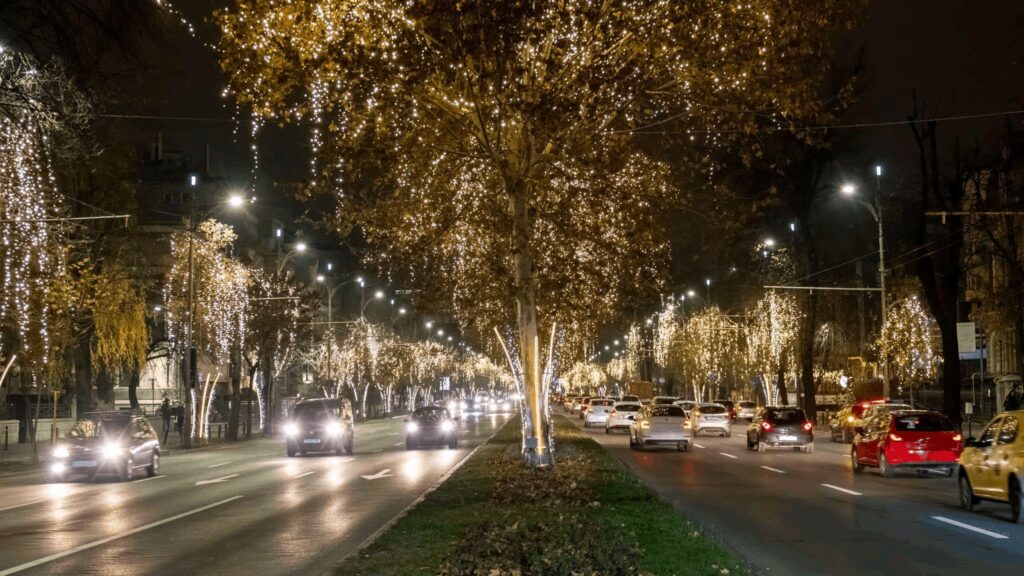
Choosing the right wired sensore fotocellula luce depends on how much precision and electrical protection your lighting system requires. All the models perform automatic switching based on ambient light levels.
However, the balance between simplicity and protection features differs across the three models. Here is a quick comparison table.
| Modello | Core Advantage | Best Application Scenario |
| JL-403C | Simple automatic switching | Residential and small commercial lighting |
| JL-423C | Negative proportional switch for precise sensing | Commercial lighting requires an accurate lux response |
| JL-423C(M) | Surge protection + advanced switching stability | Municipal, industrial, and high-reliability systems |
Making the Right Choice
Project requirements should guide the final selection.
- JL-403C works best when the goal is reliable automation at low cost. It fits porch lights and pathway lighting.
- JL-423C is better for locations with changing ambient light conditions. Its negative proportional switching improves sensitivity and switching accuracy.
- JL-423C(M) is designed for electrically demanding environments. It includes MOV surge protection. This helps protect lighting circuits from voltage spikes.
Parole finali
Each model serves different lighting needs, from basic automation to advanced control with surge protection. Choosing the right model depends on project complexity and required electrical protection. For reliable sourcing of Long-Join wired photocontrols, Chi-Swear offers tested products and strong industry experience. It is a trusted partner for buyers seeking dependable outdoor lighting control solutions.



 Italian
  English
  Spanish
  Russian
  Arabic
  Japanese
  Portuguese