
Schema
- Introduzione
- How Do the Core Technical Specifications of JL-423C, JL-103A, and JL-103C Compare?
- How Does Accessory Compatibility Influence the Installation Flexibility Of These Sensori fotoelettrici?
- What Are the Ideal Application Scenarios for Each Sensore di fotointerruttore Model?
- How Should Users Choose Between These Photocells for Specific Project Needs?
- What Is the Final Recommendation Based on Technical and Application Analysis?
- La conclusione
All'aperto controllo dell'illuminazione is no longer just about light automation. Projects today demand flexibility and reliability.
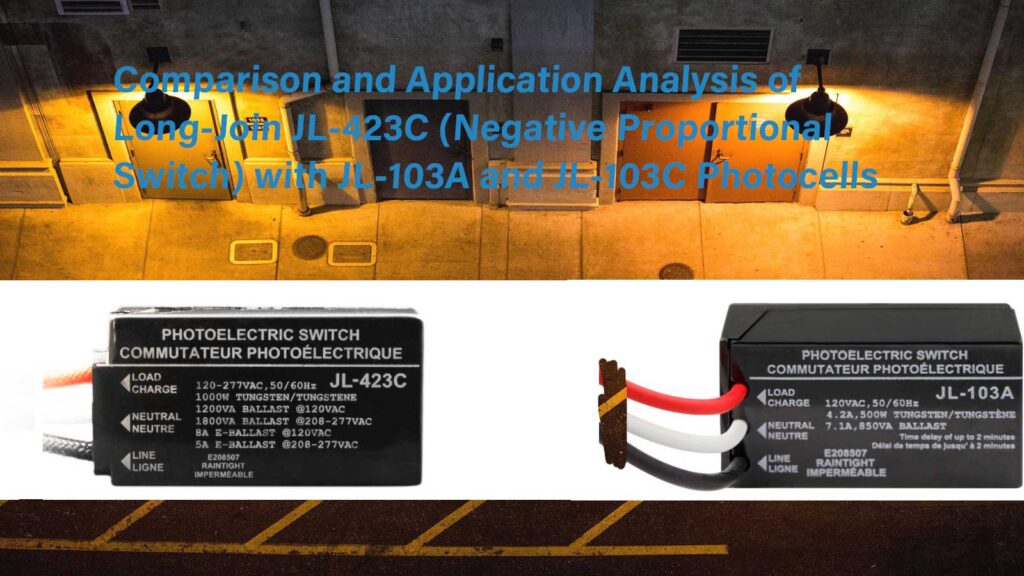
So how does the Long-Join JL-423C compare with the classic JL-103 series interruttori con sensore di luce esterna?
The JL-423C introduces negative proportional switching, customizable lusso settings, and selectable failure modes. In contrast, the JL-103 series represents traditional, stable controllo del sensore di luce solutions widely used in standard applications.
This article breaks down their technical differences and accessory compatibility, along with their applications. The goal is to help you select the right photocell for efficient and intelligent lighting control.

How Do the Core Technical Specifications of JL-423C, JL-103A, and JL-103C Compare?
Electrical and Load Capacity Differences
Interruttori fotoelettrici must match the electrical system and load they control.
Voltage Range:
JL-423C
- Wide 120–277VAC range supports universal line voltages for global supplies.
JL-103A
- Fixed 120VAC.
JL-103C
- Fixed 208–277VAC range via JL-103 series variants.
This flexibility means JL-423C fits mixed voltage systems without variant swaps.
Load Capacity:
JL-423C
- Up to 1000W tungsten
- 1200/1800VA ballast
- multi-rated e-ballast switching
JL-103A
- Around 500W and 850VA.
JL-103C
- Larger 1500W/1500VA capacity in its variant.
Efficienza energetica
Power draw affects energy costs on a network of sensori di illuminazione a fotocellula.
JL-423C
- ~0.5W max – ultra-low idle draw aids energy savings in large installations.
JL-103A/JL-103C
- ~1.2–1.5W – typical for traditional thermal photocells.
Lower draw on JL-423C reduces parasitic energy use on every unit.
Light Switching Thresholds and Sensitivity Differences
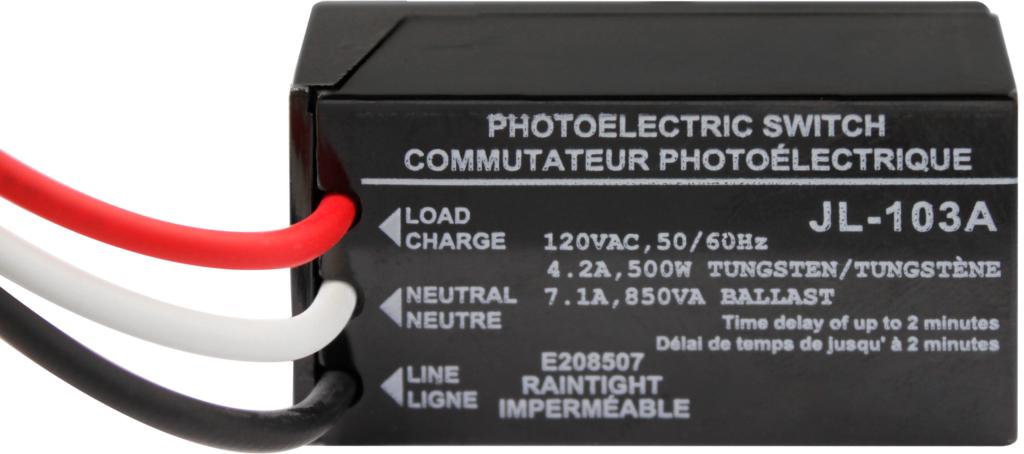
JL-103A/JL-103C
- Fixed turn-on at ~10–20Lx and turn-off at ~30–60Lx.
JL-423C
- Base 16Lx on / 24Lx off, but supports customized threshold settings per spec options.
Adjustable sensitivity helps with precise control in dynamic lighting environments.
Environmental Conditions vs Photocell Response Behavior
| Tipo di ambiente | Lighting Challenge | Modello consigliato | Motivo |
| Urban streets with vehicle lights | False triggering risk | JL-423C | Adjustable lux threshold improves accuracy |
| Suburban streets | Stable lighting conditions | JL-103A | Fixed threshold works reliably |
| Industrial zones | Strong artificial lighting | JL-423C | Higher sensitivity control |
| Highway lighting | High load fixtures | JL-103C | Higher load capacity |
Funzionalità di controllo intelligente
The JL-423C sensore di luce fotocellula esterna adds modern control layers not found in basic models:
- Integrated microcontroller for intelligent switching.
- Adjustable time delay (typically 5–10s).
- Commissione federale delle comunicazioni compliance option with zero-crossing and surge choices.
JL 103A and 103C lack these advanced settings. This makes them simpler but less flexible.
Failure Mode Options
JL-423C
- Offers selectable failure modes
JL-103A and JL-103C
- Standard fixed Fail-On mode.
Selectable modes let designers choose safer defaults for mission-critical zones.
In summary, the JL-423C sensore di luce fotocellula interruttore delivers a broader electrical range and lower power draw. However, the other two products deliver rugged and simple control tailored to traditional outdoor lighting needs.
How Does Accessory Compatibility Influence the Installation Flexibility Of These Sensori fotoelettrici?

Accessory compatibility can make or break a lighting installation. The ability to add weatherproof and mounting accessories improves performance and longevity in the field. For both the JL-423C presa fotocontrollata and JL-103 series, shared options expand where and how they can be used.
Key Compatible Accessories
Waterproof Caps:
Optional protective caps help shield the sensor from direct rain and moisture. These reduce nuisance switching caused by water. Both products support similar caps.
Aluminum Mounting Plates:
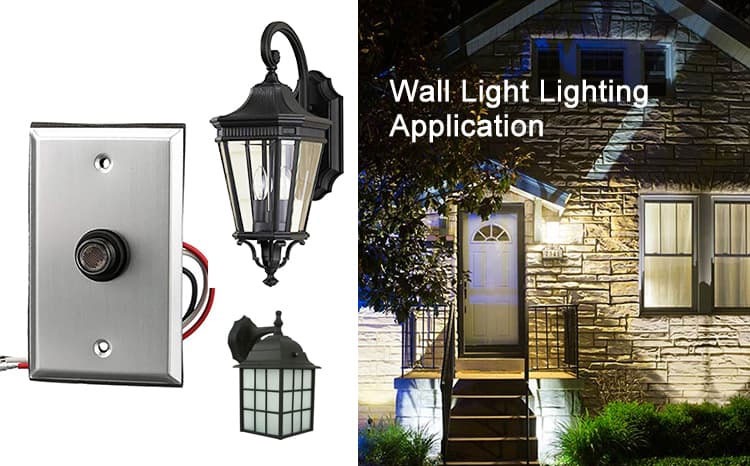
Wall and panel plates assist in neat installation on flat surfaces. These are standard for JL-103 and also available for JL-423C accessories.
Custom Plastic Covers:
Black plastic covers add environmental protection and aesthetic integration with fixtures. These are offered as options across series.
Impact on Outdoor Durability & Aesthetics
Accessory choice directly affects:
● Durability
Rain caps and sealed enclosures increase Protezione IP in harsh climates.
● Maintenance
Covers cut down on cleaning and false triggering over time.
● Visual Integration
Matching color and style accessories makes installations more cohesive.
In short, shared accessory support across JL-423C and JL-103 simplifies field logistics and enhances rugged outdoor performance.
What Are the Ideal Application Scenarios for Each Sensore di fotointerruttore Model?

JL-423C Best Use case
The JL-423C controllo delle foto excels in applications that require more than basic switching automation. It fits large smart lighting systems where precision counts. Its precise lux sensing and configurable failure modes provide stronger control than legacy models.
Projects like smart campuses and adaptive facade lighting benefit from its responsive control logic. Its wide voltage range and higher IP rating ensure reliable performance across tough environments.
Best suited for:
- Smart street lighting networks
- Commercial plazas with adaptive lighting profiles
- Safety-critical zones requiring failure-mode choices
- Areas needing precise light response curves
JL-103A And JL-103C Applications
IL fotocontrollori are widely used in conventional outdoor lighting. They are robust and optimized for straightforward automatic control. With fixed thresholds and fixed Fail-On mode, they work well where complex logic isn’t needed.
Ideal for:
- Traditional street and pathway lighting
- Parking lots and security poles
- Stable grid environments without smart automation
- Projects focused on cost-effective installation
Project Type vs Recommended Photocell
| Tipo di progetto | Fotocellula consigliata | Motivo |
| Illuminazione intelligente della città | JL-423C | Advanced control and configurable features |
| Campus lighting | JL-423C | Precise lux adjustment improves energy efficiency |
| Residential street lighting | JL-103A | Conveniente e semplice |
| Industrial or highway lighting | JL-103C | Supports higher voltage and larger loads |
How Should Users Choose Between These Photocells for Specific Project Needs?
Selecting the right light sensor is critical to ensure project reliability. A few practical checks can quickly guide the decision.
Start with Voltage Compatibility
Check the power supply used at the installation site.
JL-103A
- It works with 120VAC systems.
JL-103C
- It fits 208–277VAC systems.
JL-423C
- It supports a wide 120–277VAC range. This makes it more flexible for different grids.
Check the Lighting Load
JL-103A
- It suits smaller lighting setups.
JL-103C
- It handles larger fixtures.
JL-423C
- It supports a wider mix of lighting loads.
Decide Between Smart and Standard Control
Not every project needs advanced functions.
- Choose JL-423C when precise light sensing or flexible control is important.
- Choose the JL-103 series when simple switching automation is enough.
Safety and Reliability are Crucial
Some locations require stronger safety planning.
- JL-423C allows selectable failure modes for better control during faults.
- JL-103 series uses a fixed fail-on design that keeps lights on if a problem occurs.
Balance Budget and Features
Finally, match the product to the project budget.
- The JL-103 series is a practical choice for standard lighting installations.
- JL-423C is better suited for projects that need more flexibility and control.
What Is the Final Recommendation Based on Technical and Application Analysis?
Summary of Core Differences
| Feature / Model | JL-423C | JL-103A | JL-103C |
| Gamma di tensione | 120–277 V CA | 120 V CA | 208–277VAC |
| Consumo energetico | 0,5 W | 1.5W | 1.5W |
| Capacità di carico | Medio-Alto | Basso | Medio-Alto |
| Switch Threshold | Personalizzabile | Fisso | Fisso |
| Smart Functions | SÌ | NO | NO |
| Failure Modes | Selectable | Fixed Fail-On | Fixed Fail-On |
Practical Selection Guidance
Use this decision logic:
- Match your mains voltage first. Mismatches waste money and risk failure.
- Match load capacity to fixture type. Under-rating reduces lifespan.
- Ask if automation matters. If yes, pick JL-423C.
- Consider failure mode needs. Safe defaults matter most in critical zones.
This guidance keeps choices practical, not theoretical.
Strategic Positioning
Choose JL-423C when you want intelligent control, adaptive switching, and advanced reliability. It’s ideal for smart lighting and adaptive outdoor systems.
Choose the JL-103 series when you need standard dusk-to-dawn control, predictable performance, and basic cost-effective operation.
La conclusione
JL-423C delivers smarter control and flexible safety features. The JL-103 series remains a dependable choice for standard automation. The right model ultimately depends on project voltage, load size, and the level of control required. For reliable sourcing of Long-Join photocontrollers, many buyers turn to Chi-Swear for consistent supply and professional support. Working with an experienced supplier helps ensure product authenticity and smooth project deployment.


 Italian
  English
  Spanish
  Russian
  Arabic
  Japanese
  Portuguese