ゼロアークスイッチングの秘密を解明:ゼロクロス制御技術が光電セルをよりスマートに、より長寿命にする方法

Outline Tired of photosensors burning out too fast or causing electrical noise? The problem often lies in how and when circuits are switched. That’s where Zero-Cross Control Technology comes in. It switches power exactly at the safest moment—when the current hits zero. No arcs. No surges. Just clean, quiet switching. In this article, we’ll explore how this smart technology works and why it’s a game-changer for street lighting and photocell switches. What Is Zero‑Cross Control Technology and Why Is It Important? Zero‑Cross Control Technology switches AC circuits exactly when voltage crosses zero. At this point, the voltage is neither positive nor negative. This prevents current surges and arcing that occur when […]
フェイルオンフォトコントロール:LongJoinのNC設計による街路照明の信頼性向上

Outline Reliable street lighting is crucial for safe urban life. But what happens when a lighting control fails? LongJoin has an answer: fail-on photocontrols. These smart devices keep lights on even when power or components fail. Their Normally Closed (NC) design ensures uninterrupted illumination. This article explores how LongJoin’s solution enhances safety, efficiency, and peace of mind for cities. What Are Fail‑On Photosensors and How Does the NC (Normally Closed) Design Work? Fail‑On light sensors are safety‑first switches used in street lighting. When a failure or power loss occurs, these devices default to “on”, ensuring lights stay lit. Their core purpose is simple: prevent sudden darkness in public areas. Below is table […]
マイクロ波対赤外線センシング:Longjoinインテリジェント照明コントローラのコアセンシング技術の分析

Outline Why do some outdoor lights respond faster than others? They work flawlessly in rain or fog, while others miss motion altogether. The answer lies in the photocell sensor technology, specifically, microwave vs infrared. As cities move toward smarter lighting, choosing the right sensing tech matters more than ever. This article explores how Long-Join uses both technologies to power intelligent light controllers. How do Microwave and Infrared Sensors Differ? Both Lighting control sensors have their distinct characteristics. Microwave sensors are active devices. They emit 5.8 GHz radio waves and detect motion by analyzing the Doppler shift in reflected signals. Infrared (PIR) sensors are passive. They detect heat changes from moving bodies […]
スマート街路照明システムにおけるZhagaレセプタクルのIP66認証が重要な理由

Outline Smart cities need smart lighting — and that means reliable components. Zhaga receptacles are at the core of modular outdoor lighting systems. But exposure to rain, dust, and extreme weather can easily compromise performance. That’s where IP66 certification comes in. It’s not just a technical label — it’s a real-world shield against failure. In this article, we’ll explore why this rating matters and how Long-Join delivers it. What Is IP66 Certification — And Why Is It Critical for Outdoor Lighting? The IP code is defined in IEC 60529. It rates how well enclosures fend off solids and liquids. Manufacturers use these ratings to guarantee real-world durability. Urban environments hit fixtures with […]
Zhagaスマート街灯アーキテクチャの秘密を解明:真にモジュール化された照明制御を実現する方法

Outline Why are smart cities turning to Zhaga for street lighting? Because traditional systems lack flexibility and scalability. Zhaga Book 18 changes that by making lighting control truly modular. It connects sensors with wireless modules and LED drivers, ultimately making one plug-and-play system. The result? Energy-efficient and future-ready streetlights. If you’re exploring intelligent lighting architecture, this guide reveals how Zhaga makes it all possible—one module at a time. How Does a Fully Modular Zhaga-Based Streetlight System Work? Zhaga Book 18 defines a standardized interface for outdoor LED luminaires and plug-and-play sensor or communication nodes. A luminaire is built with a Zhaga receptacle—sealed and compact—which accepts interchangeable modules (photocell sensors, communication devices, […]
ロングジョイントZhagaスマートフォトセル – モデルと通信プロトコルの概要

Outline Looking for a smart lighting control that matches your specific communication needs? Long-Join offers a full lineup based on the Zhaga standard. From WiFi to 5G, each model supports a unique protocol. These photosensors are designed for flexibility, reliability, and smart city compatibility. No matter what your need is, there is something for everyone. Here is a detailed breakdown of each version to help you with your choice. How Does the WiFi Version Enable Real‑Time Smart Lighting Control? WiFi allows photocontrol receptacles to respond instantly. It supports high-speed data, remote access, and cloud integration. Users can control, schedule, and monitor lights from anywhere using a phone or browser. Long‑Join’s JL‑719WB uses this […]
ロングジョイントNemaスマートフォトセル - 通信バージョン、モデル、機能の概要

Outline Smart outdoor lighting is evolving fast, and communication is at the heart of it. Long-Join is stepping up with a powerful lineup of NEMA-compliant smart photosensors. These devices don’t just turn lights on or off—they connect and respond intelligently. With options like WiFi, ZigBee, LoRaWAN, NB-IoT, and even 5G in development, Long-Join offers tailored solutions for nearly every lighting environment. This article breaks down the models, communication types, and key features that make Long-Join a standout in intelligent lighting. Which Communication Versions Are Offered by Long-Join? Long‑Join offers a variety of communication options to suit different deployment environments and needs. Here’s a comparative table of the technologies they support: […]
低照度光量における光電セル設定の顧客ニーズへの対応:照明とエネルギー効率の最適化

Outline Need lights to turn on earlier when it gets dim? Many customers do. Standard light sensors sometimes wait too long. This guide explains how to meet those demands with low light-level settings. By setting the lighting control to activate at 7 lux, you can ensure lights turn on at the right moment. This improves visibility and reduces wasted energy. Let’s explore further how fine-tuning your photocell settings makes a big difference. Image Courtesy: Electricway How Do You Meet Specific Lighting Needs with Precision Control? Different environments demand different photocontrol responses. Whether in cities or remote zones, tuning the light activation level to 7 lux helps meet both functional and safety-related lighting goals […]
B2B セクターのイルミナシオン外装に関する写真の分析情報 – エクアドル

Informe de Análisis del Mercado de Fotoceldas para Iluminación Exterior en el Sector B2B – Ecuador 1. Contexto Nacional e Infraestructura Ecuador se ubica en el noroeste de Sudamérica, con una población aproximada de 18.3 millones de habitantes, de los cuales el 63% reside en zonas urbanas. Las principales ciudades son Quito, Guayaquil y Cuenca, que actualmente están desarrollando importantes proyectos de renovación y expansión de su infraestructura pública. El sistema eléctrico opera a 110V / 60Hz (norma americana), compatible con productos fabricados en China, Estados Unidos y otros países. Los proyectos de iluminación pública están principalmente dirigidos por organismos municipales y estatales, y las fotoceldas se han convertido en […]
高級プライベートプールがJL-126サーマルフォトコントロールを選ぶ理由とは? 素材がすべてを決定づける!

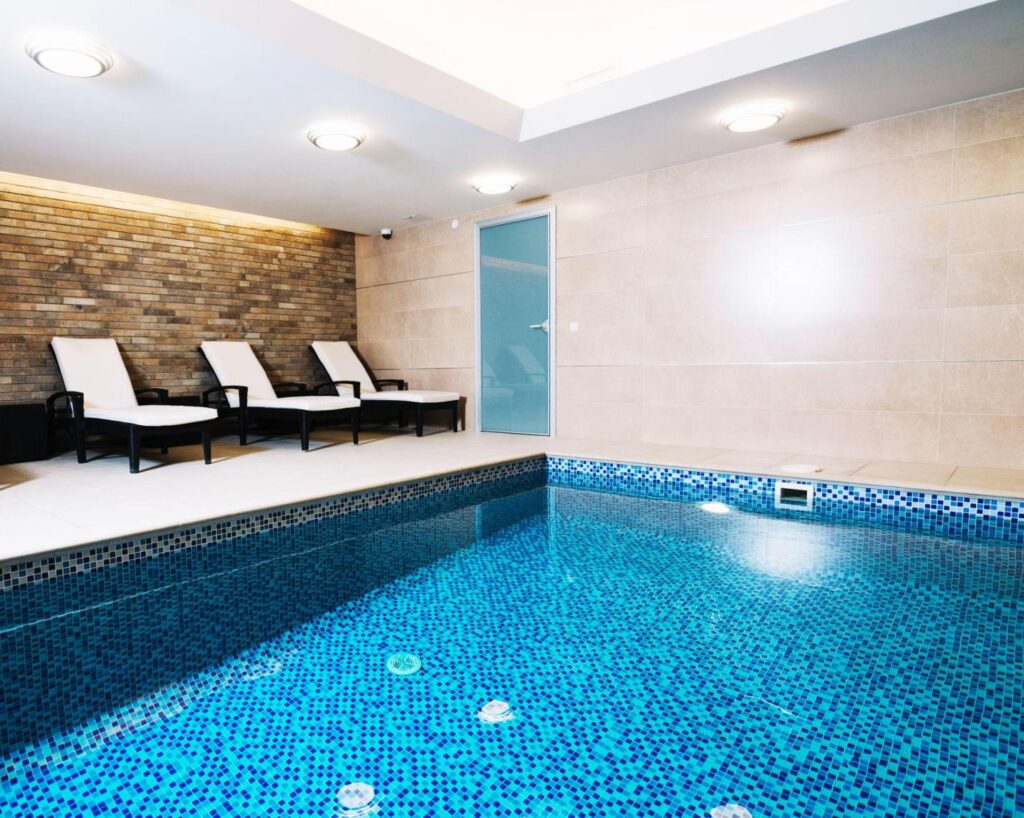
In private pool design, the pump control system is often overlooked—yet its reliability directly impacts water cleanliness, energy efficiency, and longevity. Standard plastic controllers corrode quickly in humid, chlorine-rich environments, while cheap thermal sensors may malfunction due to temperature fluctuations. The JL-126 Wired Thermal Photocontrol is engineered for extreme conditions, featuring aerospace-grade aluminum alloy housing, military-spec nickel-chromium sensors, and anti-corrosion zinc alloy fasteners. Yes, it’s priced higher than generic controllers—but once you understand its material advantages, you’ll see why it’s worth every penny. 1. Die-Cast Aluminum Housing: Ultimate Defense Against Pool Corrosion Pools are brutal environments: chlorine fumes, saltwater spray, and relentless UV exposure cause cheap plastic (ABS/PP) housings to […]