
導入
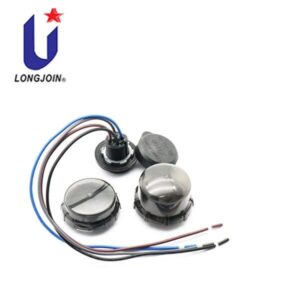
The Zhaga 第18巻 socket has become a widely adopted standard in the outdoor lighting industry, offering compatibility and ease of integration for smart lighting solutions. However, its widespread application has revealed certain defects that can negatively impact performance and reliability.
These shortcomings often manifest in areas such as waterproofing, product stability, and maintenance challenges, posing risks to the overall functionality of outdoor lighting systems.

Defects in the Zhaga Book 18 socket on the market
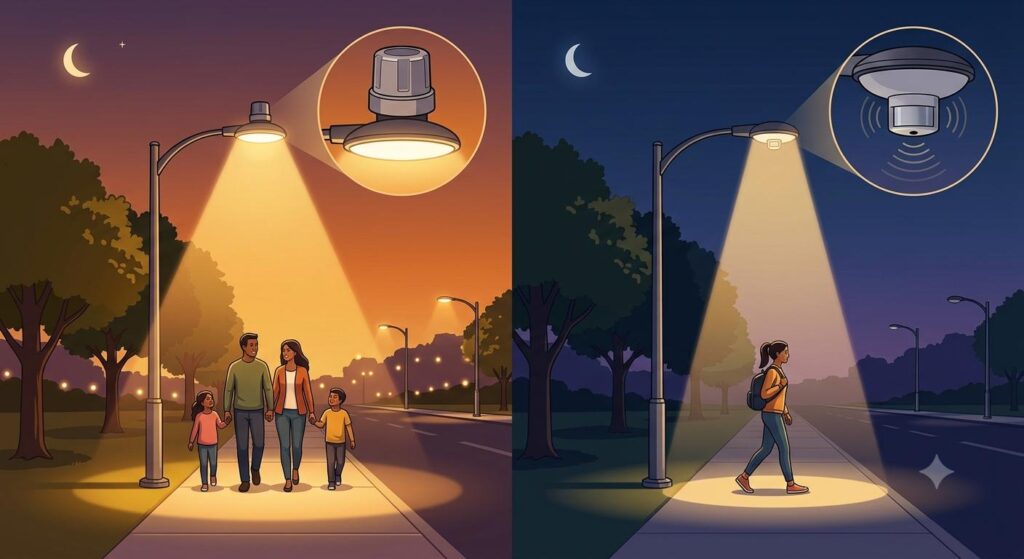
The Zhaga Book 18 socket is a standardized interface designed to facilitate the integration of sensors and communication modules into outdoor luminaires. While it has streamlined many aspects of smart lighting, certain defects have been identified in its market implementations that can compromise performance and reliability.
Installation of Sealing Rings Affects Waterproof Performance
Sealing rings must be installed properly to ensure that sockets are completely tight and waterproofed. Any shifts from the specified installation procedures—for example, misalignment of the sealing ring or the insufficient tightening of connection elements—can make way for moisture penetration.
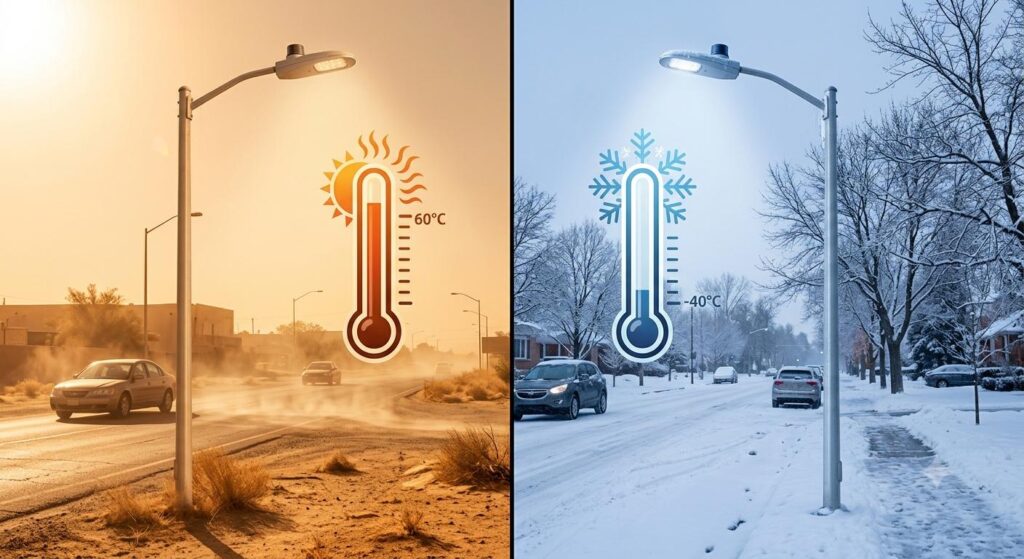
Exposure to extreme environmental conditions, such as high temperatures and severe cold for a long, can also cause the waterproof materials to age, harden, and brittle further. This ultimately diminishes their sealing effectiveness.
Hot-Plugging Support Affects Product Stability
Although Zhaga Book 18 ソケットとスイッチ are designed to support the hot plugging of modules, this feature does not inherently enhance waterproof performance during such operations. Post-installation, the likelihood of moisture entering the luminaire increases, especially if the socket’s sealing is compromised during module insertion or removal.
This moisture ingress can lead to internal condensation, adversely affecting the luminaire’s performance. The results are escalated maintenance costs due to the need for more frequent servicing.
Difficulty in Maintaining Lighting Fixtures
The hot-swapping capability of Zhaga Book 18 ソケット, while convenient, can introduce challenges during maintenance. The mechanical stability of the socket during module exchange is sometimes insufficient, making the components susceptible to damage or breakage.
This fragility complicates maintenance efforts, potentially leading to longer downtimes and increased labor costs, as technicians must handle the delicate components with greater care to avoid inadvertent damage.
結論
Although Zhaga Book 18 sockets have played a crucial role in the development of smart lighting, their shortcomings in waterproofing, stability, and maintenance ease highlight the need for further improvements in design and functionality.
Please see the solution and advantages of long join in the next issue

 Japanese
  English
  Spanish
  Russian
  Arabic
  Italian
  Portuguese