
概要
- 導入
- スマートになるもの 照明制御 現代の屋外環境に必須?
- 何ですか 光制御 屋外照明はどのように改善されるのでしょうか?
- どのように 光フォトセルセンサー 社内で働いていますか?
- どのような種類の 光センサースイッチ 屋外照明システムに使用されていますか?
- どこにありますか フォトコントロール 最もよく使用されるものは何ですか、またその理由は?
- どの国際標準と認証が適用されるか 光電池 パフォーマンス?
- 請負業者と都市がロングジョイントを好む理由 光センサー?
- 光制御技術の進化を形作る将来のトレンドは何でしょうか?
- 結論
屋外照明は、信頼性と効率性だけでなく、管理の容易さも求められます。しかし、人間の介入なしに、必要な時に正確に照明を点灯させるにはどうすればよいでしょうか?
そこで 光電セルスイッチ 光制御の登場です。これらの小型センサーは自然光を検知し、ランプを自動制御します。エネルギーの無駄を削減し、安全性を向上させ、メンテナンスの負担を軽減します。街路灯からスマートシティまで、光制御は今や必要不可欠なものとなっています。.
このガイドでは、その仕組み、使用場所、現在重要なテクノロジーなど、知っておく必要のあるすべてのことを詳しく説明します。.

スマートになるもの 照明制御 現代の屋外環境に必須?
● 電力節約
スマート照明はエネルギー消費を大幅に削減します。適応制御と調光により、街路照明のエネルギーを約 50–63% 従来のシステムと比較。.
● 修理回数が少ない
実際の状況に反応する照明は、メンテナンスの必要性も低くなります。IoTモニタリングは、遠隔で故障を検知し、修理をスケジュールします。これにより、運用コストと出張費用を削減できます。.
● 安全性
安全性ももう一つの側面です。適切な照明は安全性を向上させます。大規模な調査では、照明介入によって犯罪が約 処理された領域の14%.
● 柔軟性
スマート制御は柔軟性を高めます。都市は、交通量の少ない時間帯に通路を暗くしたり、イベントに合わせて出力を上げたり、安全のために状況に応じた照明シーンを演出したりできます。実際の導入事例(例えば、最近の自治体におけるLED+IoTの導入)では、測定可能なコストとサービスの向上が報告されています。.
何ですか 光制御 屋外照明はどのように改善されるのでしょうか?
この光感知装置は照明を自動制御します。夕暮れ時に点灯し、夜明けに日が照らされると消灯します。.
このシンプルなオン/オフ動作により、必要な時に正確に照明が点灯します。タイマーや手動スイッチは不要です。照明は暗闇でのみ点灯するため、エネルギーとコストを節約できます。.
また、光電池は自然光のレベルに直接反応するため、季節、天候の変化、予期しない雲量などに自動的に適応し、信頼性が高くメンテナンスフリーの制御を実現します。.
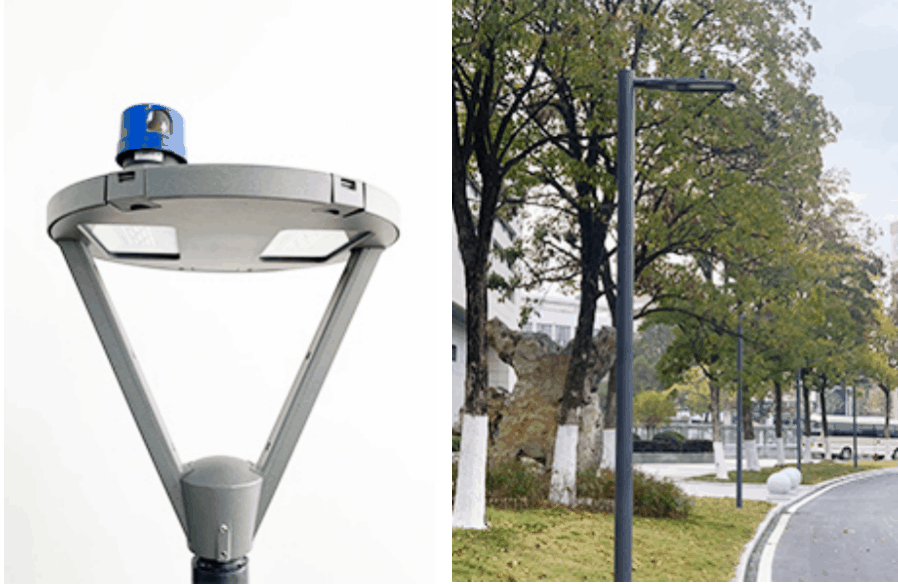
どのように 光フォトセルセンサー 社内で働いていますか?
光に敏感な部品であるCdSセルは、光センサーの動作を制御します。そのプロセスは以下のとおりです。
- センサーの抵抗は日光に応じて変化します。.
- 制御回路はその変化を監視します。.
- 周囲光が設定パラメータを下回ると、回路はリレーを作動させて電源回路を閉じ、照明を点灯させます。.
- 日が戻ると、明るさが増すにつれてセンサーの抵抗値が低下します。回路がこれを検知し、リレーが開きます。これにより電力が遮断され、照明が消灯します。.
誤作動を防ぐため、ヒステリシス機構が採用されています。これにより、光条件が一定時間閾値を下回った場合にのみスイッチングが実行されます。これにより、ちらつきや頻繁なオン/オフサイクルを回避できます。.
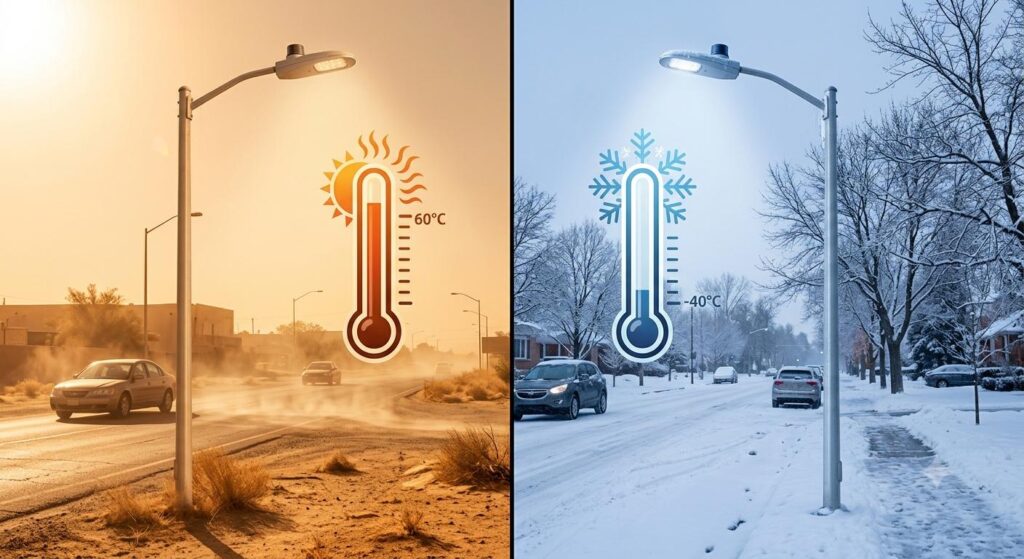
さらに、品質 フォトコントロール 温度補償機能と保護ハウジングを組み込んでおり、センサーと電子機器を周囲の極端な温度や環境ストレスから保護し、あらゆる天候で安定した信頼性の高いスイッチングを保証します。.
どのような種類の 光センサースイッチ 屋外照明システムに使用されていますか?
以下では、屋外照明で使用される主な照明制御の種類と、それぞれが異なる用途に適している理由について説明します。.
ワイヤーインフォトセル
器具の配線に直接接続するため、次の場合に適しています。
- 住宅照明
- 庭園、小規模な商業施設、または
- ソケットのない器具
設置は簡単で低コストであり、夕暮れから夜明けまでの基本的な照明の切り替えを自動的に実行します。.
ツイストロック 光センサーフォトセルスイッチ
代表的なモデルにはJL202とJL207があり、交換の容易さと信頼性が重視される街路照明器具に広く使用されています。.
ジャガ 光電池
18歳以下の子供向け 街灯コントローラー 標準化されたモジュール式インターフェースを採用しています。調光機能などの高度な機能もサポートしています。 DALI-2 または 0~10V IoT 対応の統合により、照明器具をスマート シティ ネットワークに参加させることができます。.
8 穴バージョンの JL-700W2 などの代表的なモデルは、最新の LED 照明器具に適合し、将来を見据えた照明設備に役立ちます。.
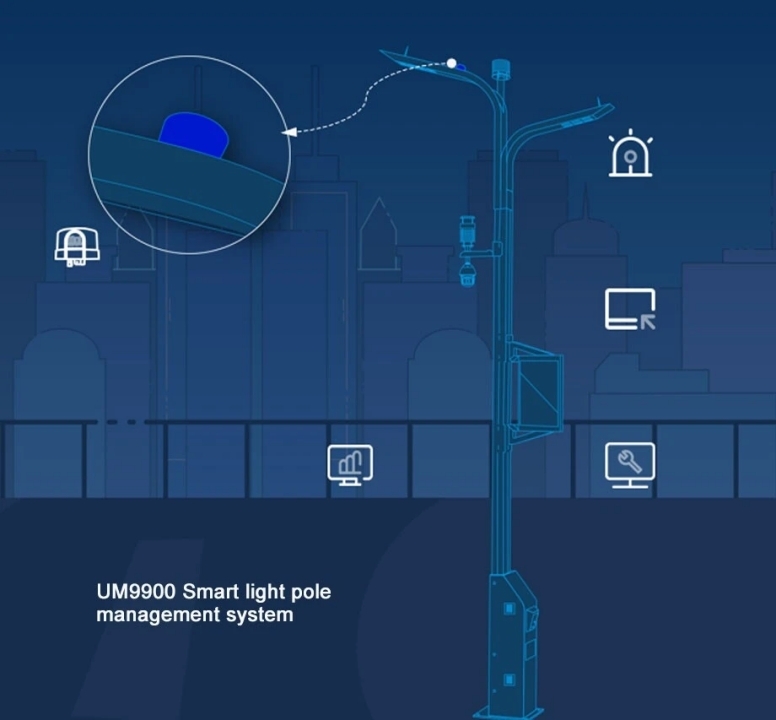
頭いい 照明コントロール
下表に示す通信プロトコルを介して接続性を高め、リモートコントロールとアダプティブディミングを実現します。.
これにより、自治体の照明ネットワークは出力を動的に調整し、より広範なスマートシステムを検知・統合することが可能になります。そのため、大規模かつ将来を見据えた導入に最適です。.
| プロトコル | カバーエリア | 消費電力 | 典型的なアプリケーション |
| ジグビー | 短い | 低い | キャンパス、小さな街区 |
| NB-IoT | 広い | 低い | 単灯街路照明 |
| LTE-Cat1 | 広い | 適度 | ユーティリティ統合型スマート照明 |
| ローラ | 中くらい | 低い | 市町村エリアネットワーク |
主な特徴による光電池タイプの比較
| 光電セルタイプ | 電圧範囲 | 代表的な用途 | 調光機能 | IoT対応 |
| ワイヤーイン | 120~277V AC | 住宅、小規模商業 | いいえ | いいえ |
| ツイストロック | 120~277V AC | 街灯、駐車場 | 一部のモデル | 限定 |
| ザガ書-18 | 24~240V AC/DC | スマートシティ、LED照明器具 | はい(DALI/0-10V) | はい |
| スマートフォトセル | 24~240V AC/DC | 都市照明、IoTネットワーク | はい | はい |
どこにありますか フォトコントロール 最もよく使用されるものは何ですか、またその理由は?
● 街路照明
これが最大の使用例です。. 街路灯センサー 長い照明器具間での夕暮れから夜明けまでの切り替えを自動化し、無駄な稼働時間とエネルギーを削減します。.
● スマートシティの展開
ここでは、センサー ノードと Zhaga ソケットにフォトコントロールを配置して、調光、障害検出、リモート オーケストレーションを有効にします。.
● 商業施設および工業施設
彼らは フォトコントロール 予測可能な夜間操作とスケジュールされた調光によりコストを削減できる駐車場、周囲照明、サービスヤード向け。.
● 庭と太陽光照明
こうしたスペースでは、バッテリー寿命を延ばし、日没後にのみ照明が点灯するようにするために、低電圧の光電池を使用しています。.
どの国際標準と認証が適用されるか 光電池 パフォーマンス?
● UL-773
これは、北米のエリア照明に使用されるプラグイン式のロック式光制御機器を対象としています。多くの公益事業および地方自治体の調達において、この規制への適合が求められています。.
● ANSI C136.10
ツイストロックインターフェースを定義します。ANSI C136.41は、高度なコントローラー向けにインテリジェント/調光接点オプション(5線式または7線式)を追加します。.
● ザガ書-18
この認証は、互換性と IoT 対応の鍵となる、センサーおよびノード モジュールの機械的、電気的、および通信ピンを標準化します。.
これらは安全性、信頼性、そして無毒性材料を保証するものです。これらの基準を満たすことは、グローバルサプライヤーにとって必須の要件です。認証は調達と長期サービス契約を簡素化します。以下は、世界基準とその準拠地域をまとめた表です。.
| 規格/認証 | 地域 | 目的 / 焦点 | 一般的な光電セルの種類 |
| UL773 / UL773A | アメリカ合衆国 | 安全性、プラグイン、配線のコンプライアンス | ワイヤーイン、ツイストロック |
| ANSI C136.10 | アメリカ合衆国 | ツイストロックソケット標準 | ツイストロック |
| ANSI C136.41 | アメリカ合衆国 | マルチワイヤーインテリジェント調光 | ツイストロック、スマート |
| ザガ書-18 | グローバル | スマートセンサー対応インターフェース | ザガ、スマート |
| CE / RoHS / ISO | EUおよび世界 | 電気安全、環境コンプライアンス | すべてのタイプ |
請負業者と都市がロングジョイントを好む理由 光センサー?

建設業者や自治体は、明確で実用的な理由からロングジョインを選ぶことが多いです。無駄な機能は一切なく、確かなメリットだけを追求するのです。.
- 数十年にわたる経験と業界の信頼。Long-Joinは20年以上にわたりフォトコントロールを製造しています。.
- OEM/ODMカスタマイズ。シェルカラー、配線仕様、パッケージング、そして地域やプロジェクトに合わせたカスタマイズ設定を提供します。.
- 幅広い認証とグローバルコンプライアンス。同社の製品はあらゆる国際認証を取得しており、世界中で受け入れられています。.
- 品質を犠牲にすることなく、競争力のある価格を実現。Long-Joinの光電セルは、類似の海外製品と比較して、国際基準に準拠しながらコスト効率の高いソリューションを提供します。.
- 米国で強力な市場プレゼンスを誇る同社のバイメタル型光制御製品は、米国の屋外照明用光電池市場で約 50% のシェアを占めていると報告されており、これは信頼できるパフォーマンスの証です。.
- スマートで未来を見据えた制御ソリューション。Long-Joinは、Zhaga準拠のソケット、IoT対応コントローラー(ZigBee / NB-IoT / リモートワイヤレス)、モジュラーインターフェースといった最新機能を統合しており、スマートシティやLED照明のアップグレードに最適です。.
光制御技術の進化を形作る将来のトレンドは何でしょうか?
光制御はもはや単なる夜明けから夕暮れまでのスイッチではありません。急速に進化しています。その未来像をご紹介します。.
まず、スマートシティへの統合が進んでいます。今日の光電セルはIoTネットワークに接続し、都市は照明を遠隔監視、調光、制御できます。ネットワークは既に、交通量や歩行者の動きに基づいたアダプティブ調光を実現しています。.
第二に、エネルギー効率の高いアダプティブディミングが標準になりつつあります。デジタルフォトセルは、需要が低いときに出力を下げたり、照明を暗くしたりすることで、安全性を維持しながらエネルギー消費量とCO₂排出量を削減します。.
第三に、持続可能性と光害の軽減はますます重要になっています。新しい光電セルは有害な青色光を遮断し、明るさをインテリジェントに調整します。これにより、空の輝きを抑え、夜空の視認性を維持します。.
最後に、相互運用性はますます重要になっています。これにより、都市は照明器具全体を交換することなく、照明システムを拡張・近代化できるようになります。.
結論
屋外照明システムの進化に伴い、光制御はよりスマートで信頼性が高くなっています。効率性と長期的なパフォーマンス向上におけるその役割は、現代のインフラにとって不可欠なものとなっています。信頼性の高い製品を求める施工業者の皆様へ, チ・スウェア 強力な認証と長年の製造経験に裏打ちされた、実績のあるロングジョインフォトコントローラを提供します。.
外部リンク
- https://www.sciencedirect.com/science/article/pii/S1876610217302710?ref=pdf_download&fr=RR-2&rr=9a5d7ff74a749087
- https://bra.se/english/publications/archive/2021-12-21-effectiveness-of-street-lighting-in-preventing-crime-in-public-places
- https://www.ansi.org/
- https://www.iec-equipment.com/new/new-31-969.html
- https://www.dali-alliance.org/dali2/comparison.html
- https://en.wikipedia.org/wiki/0-10_V_lighting_control
- https://en.wikipedia.org/wiki/Zigbee
- https://en.wikipedia.org/wiki/Narrowband_IoT
- https://lora-alliance.org/
- https://www.zhagastandard.org/?view=article&id=64:book-18&catid=10
- https://en.wikipedia.org/wiki/CE_marking
- https://www.iso.org/home.html
- https://environment.ec.europa.eu/topics/waste-and-recycling/rohs-directive_en


 Japanese
  English
  Spanish
  Russian
  Arabic
  Italian
  Portuguese