
概要
- 導入
- How Does Project Scale and Complexity Influence the Choice Between Dimming and DALI?
- What Level of 照明制御 Functionality Does the Project Require?
- How Does System Compatibility Affect the Selection?
- How Do Budget Constraints and ROI Expectations Shape the Decision?
- What Are the Maintenance and Future Expansion Requirements?
- 結びの言葉
Smart lighting management is no longer just about turning lights on and off. It is about efficiency and smart management.
But when planning a lighting project, one question often comes up: should you choose Dimming or DALI?
At first glance, both adjust brightness. Yet their capabilities differ significantly. The right choice depends on multiple factors. This article breaks down the key influencing factors to help you decide which light control solution truly fits your project.

How Does Project Scale and Complexity Influence the Choice Between Dimming and DALI?
Small jobs with a handful of luminaires and 光センサー often don’t need advanced tech. Simple dimming systems like 0~10V handle basic brightness changes well. These systems are low-cost, easy to engineer, and quick to install for room-level or isolated control.
But when your project covers dozens or hundreds of lights across many zones, things change. Large commercial buildings, multi-floor facilities, or open offices benefit from digital control systems like DALI.
DALI lets you:
- Group luminaires logically without extra wiring.
- Reconfigure zones through software instead of rewiring.
- Scale up easily as the project grows.
Dimming can manage localized dimming points, but it doesn’t easily support complex zoning or centralized coordination. Digital ダリ systems solve these while reducing long-term wiring and maintenance complexity.
Recommended Application Scale Matrix
| プロジェクトの種類 | Typical Number of Fixtures | Recommended Control | 理由 |
| Small retail shop | 10–40 | 0~10V調光 | Low zoning need, cost-sensitive |
| Restaurant / Cafe | 20–80 | Dimming or Entry DALI | Scene control may be needed |
| Office floor | 50–200 | ダリ | Multi-zone and daylight integration |
| Hospital wing | 100–500 | ダリ | High control granularity + monitoring |
| Industrial warehouse | 80–300 | ダリ | Zonal automation + energy savings |
What Level of 照明制御 Functionality Does the Project Require?
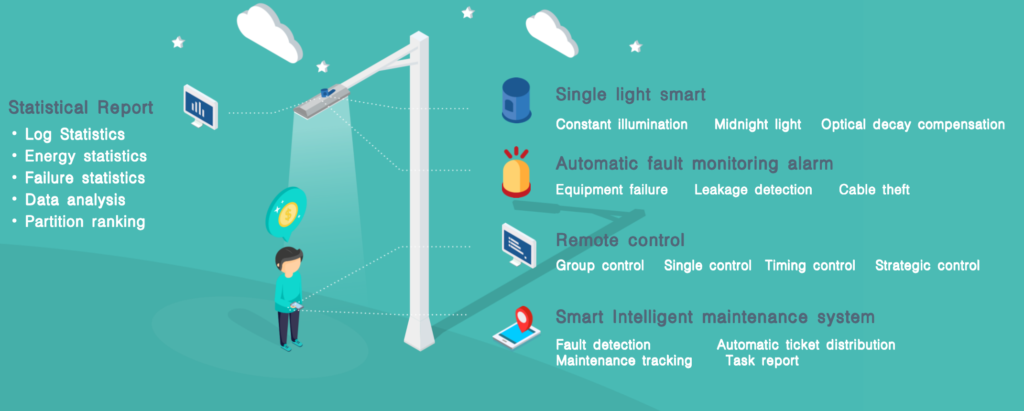
Lighting needs vary widely. Some spaces only need simple switching and dimming. A basic dimmer or 光電セルスイッチ is plenty for corridors, utility rooms, or simple residential lighting. It keeps costs low and setup simple.
But many projects demand more:
● Multi-level dimming
Smooth adjustment across the full range.
● Scene control
Preset lighting moods like meeting mode and evening mode.
● Automation
Schedules and occupancy-based control.
● Status feedback
Fault reporting, lamp health, energy use.
Basic vs Advanced Needs
If you only need manual dimming and occasional on/off, traditional dimming works. It lacks feedback and intelligent geofencing.
For advanced functions, DALI excels. DALI supports up to 16 scenes per group. Each fixture can report status and errors back to the ライトコントローラー. This enables remote monitoring and fault detection. Integration with 光制御レセプタクル and building systems makes lighting adaptive and efficient.
How Does System Compatibility Affect the Selection?
Compatibility determines what control you can actually use. If your luminaires and drivers are basic analog types, they will only understand simple voltage signals. These systems can dim lights but lack digital communication and configuration flexibility.
Analog protocols don’t offer standardized dimming curves. Owing to this, fixtures from different brands may behave inconsistently on the same line.
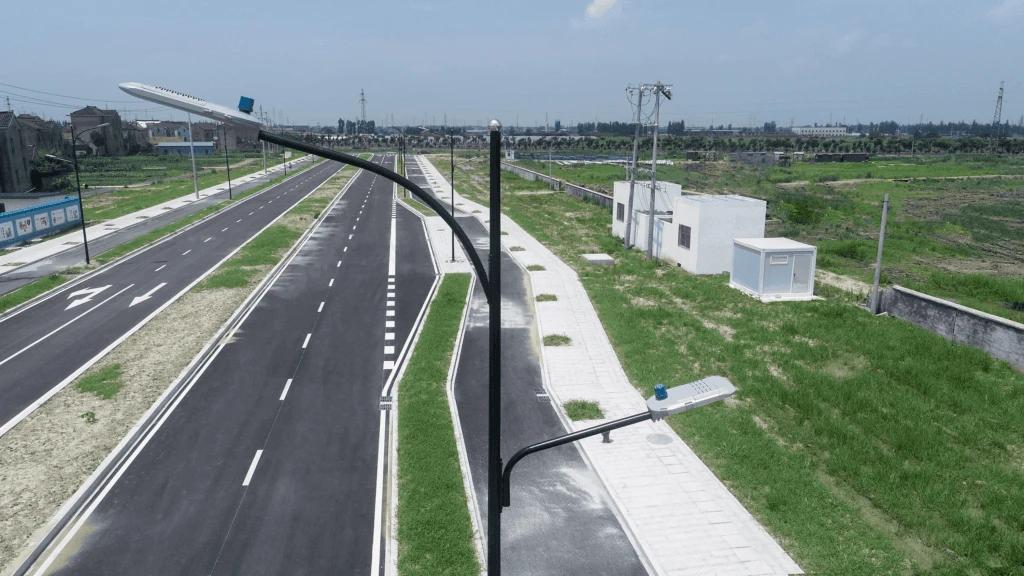
Analog vs Digital Compatibility
● Analog (0–10V)
Works with traditional drivers that expect a voltage signal.
● Digital (DALI)
Requires drivers and luminaires that support the DALI protocol.
If your existing infrastructure is largely analog, retrofitting pure digital control may mean replacing drivers. Some interfaces convert 0–10V to DALI, but these add hardware and cost.
Why DALI Improves Interoperability
DALI is an open IEC standard. This enables devices from different manufacturers to speak the same language. Lighting controls with DALI interfaces support:
- Two-way communication
- 診断
- Energy metering
- Consistent dimming behavior
This standardization simplifies integration with smart interfaces like ジャガ-D4i modules, which provide plug-and-play interoperability for sensors and communication devices.
Driver and Protocol Compatibility Overview
| Driver Type | Compatible with 0–10V | Compatible with DALI | 注記 |
| Standard LED driver | はい | いいえ | Requires analog input |
| DALI driver (IEC 62386) | いいえ | はい | Digital addressing enabled |
| D4i driver | いいえ | はい | Energy reporting + smart node ready |
| Hybrid driver (Dual protocol) | はい | はい | Higher cost but flexible |
How Do Budget Constraints and ROI Expectations Shape the Decision?
Choosing between simple dimming and DALI often starts with the budget. If the initial project budget is tight, basic dimming and on/off control wins on price. These solutions require less hardware and simpler wiring. The upfront cost is low. This helps small projects stay on budget.
But cost isn’t just the upfront price. You must think about extended returns on investment. DALI systems cost more initially than analog dimming solutions. However, they deliver deeper energy savings and operational benefits.
Advanced features such as daylight harvesting and automated schedules cut energy use significantly. Here’s how DALI strengthens ROI:
● Reduced energy bills
Lights with the help of 光電セルセンサー only use what’s needed.
● Lower maintenance costs
Centralized fault reporting and predictive maintenance reduce labor.
● Increased system life
Better control extends fixture life.
In many commercial projects, DALI pays back the investment within a few years, making it a financially smart choice for long-term efficiency and management.
5-Year Cost Impact Comparison
| コスト要因 | Analog Dimming | ダリ |
| Initial Hardware Cost | 低い | 中高 |
| インストールの複雑さ | 低い | 中くらい |
| Energy Savings Potential | 10–20% | 20–50% |
| メンテナンスコスト | 手動検査 | Remote diagnostics reduces labor |
| Scalability Cost | High (rewiring needed) | Low (software reconfiguration) |
What Are the Maintenance and Future Expansion Requirements?
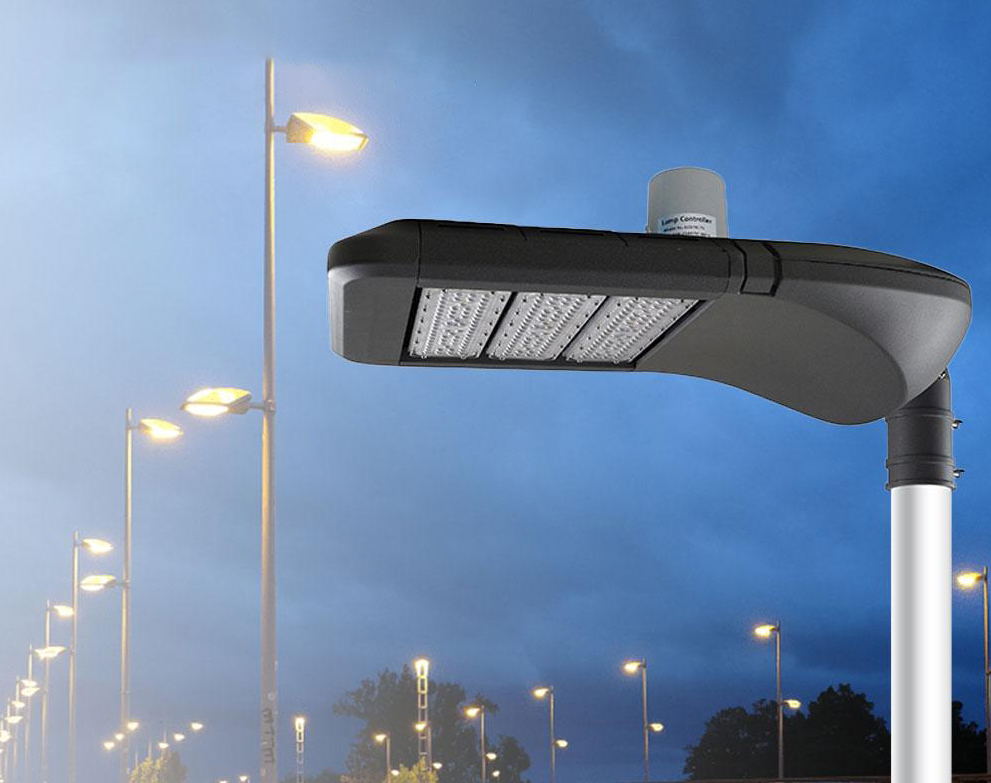
When planning 照明制御, maintenance, and growth matter as much as initial function. Some projects aim for the lowest maintenance possible. These usually rely on simple analog dimming or basic フォトスイッチセンサー with minimal digital components. Such systems are easy to service but offer no real feedback on lamp health and performance.
However, if you expect future changes and expansions, the story changes. DALI is built for flexibility and extended adaptability. It supports two-way communication. Each luminaire reports its status back to controllers. This enables:
- Fault detection and live monitoring. Issues are identified without manual inspection.
- Predictive and remote diagnostics. Maintenance teams know what needs fixing before it fails.
- Software-based reconfiguration. Adding zones or scenes needs no rewiring.
DALI’s scalable design lets you expand systems easily. New luminaires and sensors integrate through software, not hardware rewiring. This greatly reduces long-term operational costs and supports future smart building linkage.
結びの言葉
Choosing between Dimming and DALI is not about which is better. It is about what fits your project scale and functionality needs. The right decision improves performance and value. For projects requiring reliable photocontrol solutions, Chi-Swear offers proven Long-Join photocontrollers built for stability and intelligent integration. Partnering with an experienced supplier ensures your lighting control strategy delivers consistent results.


 Japanese
  English
  Spanish
  Russian
  Arabic
  Italian
  Portuguese