Gliederung
- Einführung
- United States Market Certifications
- UL-Zertifizierung
- FCC Certification
- European Market Certifications
- CE-Kennzeichnung
- RoHS
- ENEC (European Norms Electrical Certification)
- Canadian Market Certifications
- cUL Certification
- CSA Certification
- Australian and New Zealand Market Certifications
- Regulatory Compliance Mark
- SAA Certification
- Japanese Market Certifications
- PSE Certification
- TELEC Certification
- Chinese Market Certifications
- CCC Certification
- SRRC Certification
- Certifications in Other Key Markets
- BIS India
- INMETRO Brazil
- EAC Russia
- Why it is necessary for outdoor lighting control exporters to adhere to the certification requirements of target markets
- Fazit
Driven by the global inclination towards smart cities, the demand for outdoor lighting controls is on a perpetual rise. These advanced systems offer automatic control and contribute to energy savings and environmental sustainability.
However, deploying these technologies across different markets requires adherence to various certification standards, which ensure product safety, electromagnetic compatibility, and environmental compliance. Certifications vary significantly in different regions, each reflecting specific regulatory priorities.
To ensure smooth market entry, manufacturers and exporters understand and meet these standards. This article comprehensively overviews the key certification requirements for outdoor lighting controls across major global markets.

United States Market Certifications
UL-Zertifizierung
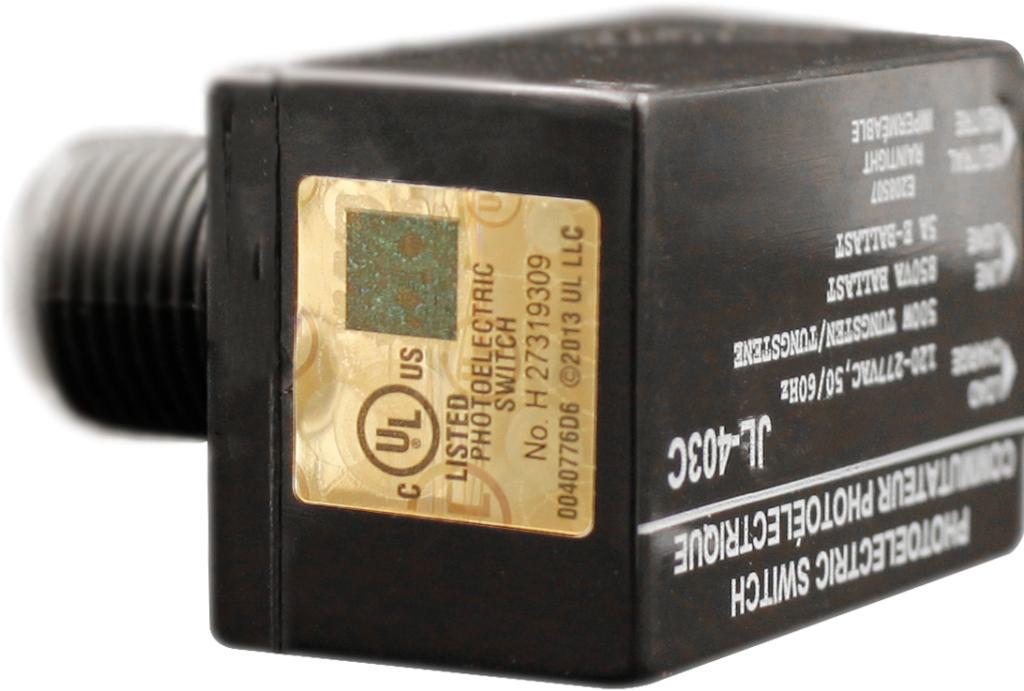
In the U.S., UL certification by Underwriters Laboratories is a critical safety standard for electrical products, including outdoor lighting controls. UL Listed products, commonly seen on consumer goods like lighting systems, confirm that products meet stringent standards for end-use safety and durability under typical and adverse conditions.
Importantly, UL standards for lighting control devices like photocells such as UL 773A ensure their compatibility with National Electrical Code requirements, emphasizing proper functionality and reliability in outdoor environments.

FCC Certification
The Federal Communications Commission (FCC) certification addresses electromagnetic interference to prevent devices from disrupting each other’s signals. For lighting controls, FCC compliance is essential, as these devices can emit radio frequencies.
The FCC tests devices to ensure they meet specific limits on radio emissions, reducing interference risks. Outdoor lighting controls intended for sale in the U.S. must pass these tests to ensure that they meet EMI standards, which is crucial for environments with dense wireless device usage.
European Market Certifications
CE-Kennzeichnung
This is a must-have certification for any lighting products marketed within the EEA. CE verifies that the product meets the minimum requirements for health and safety and the protection of the environment within the European Union. It also limits the risks posed to the user and to the environment, making it easier to access the market and building confidence among consumers.
Products with this marking must pass thorough testing and maintain records to demonstrate conformity, which is essential for any outdoor lighting intended for the European market.
RoHS
RoHS stands for Restriction of Hazardous Substances. This compliance sets guidelines for the safe usage of certain components, such as lead and mercury, in the manufacturing of electronic and electrical equipment.
Originating as part of EU environmental regulations, RoHS certification aims to reduce health risks by preventing harmful materials from being released during disposal or recycling.
For lighting products, especially outdoor fixtures, RoHS certification assures manufacturers and consumers that the equipment meets strict environmental standards, contributing to a safer, sustainable product lifecycle.
ENEC (European Norms Electrical Certification)
ENEC is a European certification specific to electrical products, verifying compliance with relevant EU safety standards through rigorous third-party testing. This certification goes beyond CE marking by testing products for quality, durability, and electrical safety standards over their expected lifespan, making it particularly beneficial for outdoor lighting controls exposed to various weather conditions.
ENEC is often required in conjunction with CE marking for advanced safety validation, ensuring a higher standard of product quality in European markets.
Canadian Market Certifications
cUL Certification
The cUL mark indicates that a product has been evaluated and found to comply with Canadian safety standards by Underwriters Laboratories (UL). This certification is most commonly seen for devices or products that will be sold in the United States and Canada simultaneously.
The cUL certification of manufacturers prove their conformance to the regulations provided by the Canadian Electrical Code (CEC), which is crucial for building code adherence and market acceptance.
CSA Certification
Canadian Standards Association is another primary standard for electrical products in Canada. Recognized by federal and provincial regulations, CSA is critical for market access and consumer confidence. This certification is especially relevant for electrical and electronic equipment, as it evaluates performance and safety under Canadian conditions.
Australian and New Zealand Market Certifications
Regulatory Compliance Mark
The RCM combines electrical safety and electromagnetic compatibility standards under one mark, replacing the previous C-Tick and electrical safety approvals.
For outdoor lighting controls, the relevant EMC standard is AS/NZS CISPR15, which ensures that lighting products do not cause radio or signal interference.
The safety standards specific to lighting equipment include AS/NZS 60598.2.3 for street lighting and related outdoor luminaires, which tests for factors like water ingress and impact resistance to ensure the durability and safety of lighting products in harsh environments.
SAA Certification
Though often referred to as an Australian standard, this benchmark is recognized in both Australia and New Zealand. Products with SAA certification have undergone rigorous testing to confirm their safety for public use.
While SAA certification is not mandatory, it is widely trusted by consumers and regulatory bodies, so manufacturers often pursue it to demonstrate adherence to regional quality expectations.
Japanese Market Certifications
PSE Certification
Product Safety Electrical Appliance and Materials certification is mandatory in Japan for all electrical products sold to consumers. It divides products into “Specified” and “Non-Specified” electrical categories, with lighting equipment usually classified under non-specified.
PSE certification assesses devices for electrical safety, covering requirements such as insulation and heat resistance to prevent hazards. Testing is based on Japanese regulations but aligns with international standards to some extent, providing companies with a pathway to showcase electrical safety compliance before products reach the Japanese market.
TELEC Certification
Telecom Engineering Center certification, also known as Giteki certification, is required for any product emitting radio frequencies, which includes devices in outdoor lighting systems if they involve wireless functions.
TELEC ensures compliance with Japanese radio laws by regulating products’ radio frequency emissions and spectrum usage. It is similar to the FCC requirements in the U.S. Furthr, TELEC certification is issued by a registered certification body, ensuring conformity to Japan’s strict standards on radio equipment safety.
Chinese Market Certifications
CCC Certification
Required for various electronic and electrical products, this certification is overseen by the China Quality Certification Centre (CQC). The process typically involves factory inspections and product testing in China-approved labs.
Once certified, the product is authorized to display the CCC mark, indicating compliance. The CCC certificate has a five-year validity, requiring regular inspections to maintain it, which can affect planning for long-term market access.
SRRC Certification
This ensures compliance with with China’s radio standards under the Ministry of Industry and Information Technology (MIIT). his certification requires detailed documentation and in-country testing in SRRC-authorized labs, where tests confirm that a product’s frequency, power output, and EMC meet Chinese standards.
Once approved, the device receives a unique CMIIT ID, which is mandatory for sale in China. SRRC certification is generally valid for five years, and any product modifications may require re-certification to prevent market delays.
Certifications in Other Key Markets
BIS India
The Bureau of Indian Standards certification is essential for products sold within India, particularly those related to electronics and lighting.
INMETRO Brazil
Brazil’s National Institute of Metrology, Quality, and Technology mandates certifications for various product categories, including lighting controls, to protect consumer safety. This certification involves rigorous assessment, covering product safety and environmental compliance. For exporters, INMETRO certification demonstrates adherence to Brazil’s strict regulatory standards and validates product quality.
EAC Russia
The Eurasian Conformity mark applies across the Eurasian Economic Union (EAEU) and is required for products like lighting equipment and controllers. Lighting products undergo testing to meet EAC requirements, ensuring they perform reliably and safely in local conditions.
Why it is necessary for outdoor lighting control exporters to adhere to the certification requirements of target markets
Adhering to certification requirements is essential for outdoor lighting control exporters to secure market access, protect consumer safety, and ensure product reliability. Certification requirements also enhance consumer confidence, as they signal that a product has passed rigorous safety tests specific to each region’s standards.
This further shields the exporters from any legal risks and the associated risks of fines when they deal with non-certified products.
Moreover, in such markets that are heavily regulated, adherence to certification requirements can also be an edge over the competition given that more and more consumers and businesses prioritise safety and reliability in their purchases.
Fazit
Certifications for outdoor lighting controls are crucial for ensuring compliance, safety, and quality across diverse markets worldwide. For businesses seeking reliable, certified solutions, Chi-Schwören offers outdoor lighting controls that meet stringent global standards, making them a dependable partner for market-ready, high-quality products.
Externe Links
- https://www.ul.com/services/certification
- https://en.wikipedia.org/wiki/FCC_mark
- https://single-market-economy.ec.europa.eu/single-market/ce-marking_en
- https://en.wikipedia.org/wiki/Restriction_of_Hazardous_Substances_Directive
- https://www.enec.com/page.php?p=190
- https://www.csagroup.org/testing-certification/certification/
- https://en.wikipedia.org/wiki/Regulatory_Compliance_Mark
- https://www.saaapprovals.com.au/
- https://www.certification-japan.com/en/pse-psc/pse-certification/
- https://baclcorp.com.cn/show.asp?para=en_6_997_719
- https://www.china-certification.com/en/what-is-ccc/