Describir
- Introducción
- How Does Daylight Sensing Technology Work in Streetlights?
- How Is Long-Join Interruptor de fotocélula Technology Applied in Daylight Sensing?
- What Role Do Motion Sensors Play Alongside Daylight Sensing?
- How Does Time-Based Control Enhance Streetlight Efficiency?
- What Are the Key Benefits of Daylight Sensing in Streetlighting?
- How Are Combined Sensing Technologies Used in Real-World Applications?
- What Is the Future of Daylight Sensing in Smart Streetlighting?
- Palabras finales
Many traditional lighting systems still rely on manual control or fixed schedules. This leads to unnecessary power consumption and higher costs.
Daylight sensing solves this problem. It ensures lights operate only when needed. No manual switching. No unnecessary daytime usage. Just automatic and responsive control.
When combined with motion and timer controls, the system becomes even smarter. This article will be a detailed guide in this regard.

How Does Daylight Sensing Technology Work in Streetlights?
Daylight sensing is built around a simple idea. Detect light. Control power. No manual action needed.
At the core is a sensor de fotocélula. It uses a semiconductor, sensitive to light. When light hits the surface, resistance drops. Current flows easily. In darkness, resistance increases. Current is restricted.
Automatic ON/OFF
El fotocontrol acts like a switch in the circuit that responds to ambient light levels in real time.
- Low light: circuit closes → light turns ON
- Highlight: circuit opens → light turns OFF
This switching is based on predefined lux thresholds. Typically, lights activate below ~30–50 lux and turn off above ~80–150 lujo.
Reliable in real environments
It reacts instantly to environmental changes. Not just sunrise or sunset.
- Adapts to weather changes like rain and fog
- Maintains consistent illumination levels
- Eliminates dependency on fixed schedules
The result is simple. No human intervention. No energy waste. Just responsive, automated street lighting.
Typical Lux Thresholds Used in Photocells
| Lighting Condition | Lux Range (Approx.) | Photocell Action | Impacto práctico |
| Bright daylight | 10,000 – 25,000 lux | Lights OFF | Eliminates daytime energy waste |
| Overcast daylight | 1,000 – 5,000 lux | Lights OFF | Stable operation in cloudy weather |
| Dusk / Dawn | 30 – 100 lux | Switching threshold | Smooth transition ON/OFF |
| Night | < 10 lux | Lights ON | Ensures proper illumination |
How Is Long-Join Interruptor de fotocélula Technology Applied in Daylight Sensing?
Unión larga fotocontrol series focuses on precision and durability. They automate lighting without a complex setup. The goal is simple. Accurate switching. Long-term reliability.
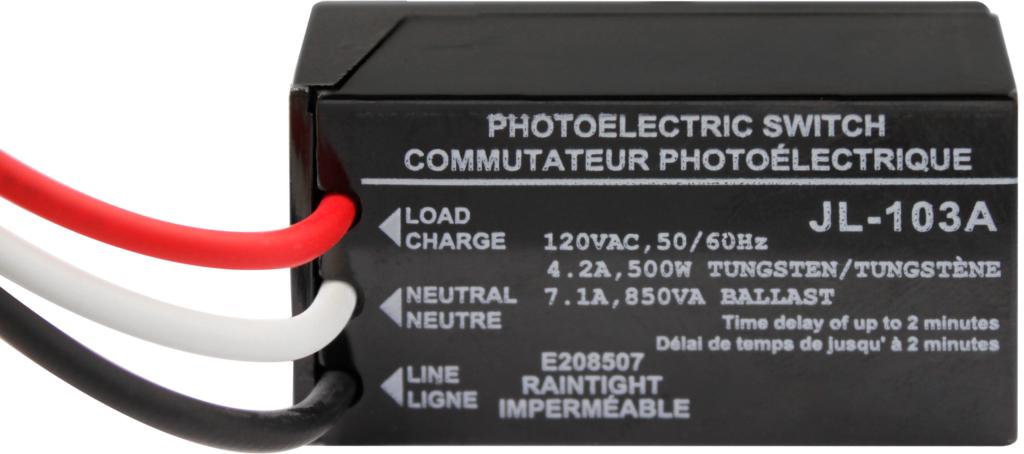
JL-103A
Este control de iluminación follows a classic photocell design. It is built for stable switching control. It
- Activates lighting at low lux levels
- Cuts off power during daylight
- Maintains consistent switching cycles
It works well in basic streetlight setups. No advanced wiring needed. Just dependable ON/OFF control.
JL-205C / JL-207C
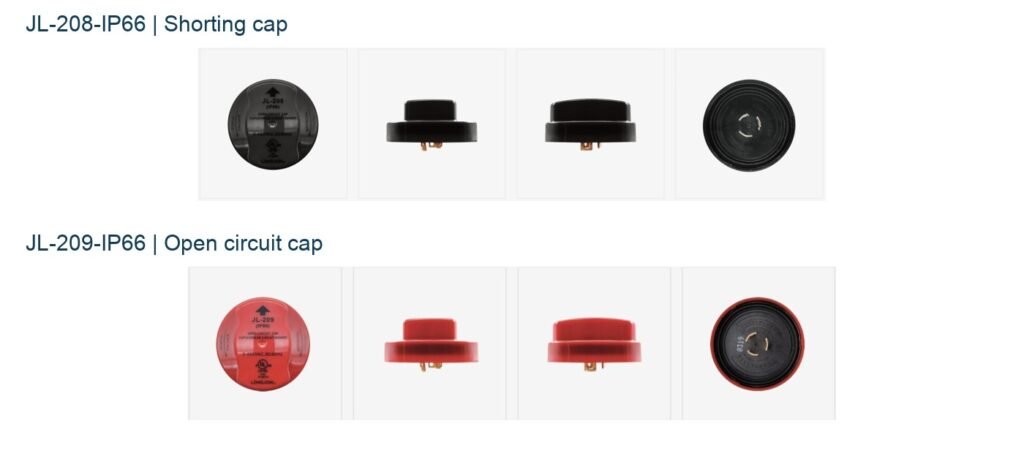
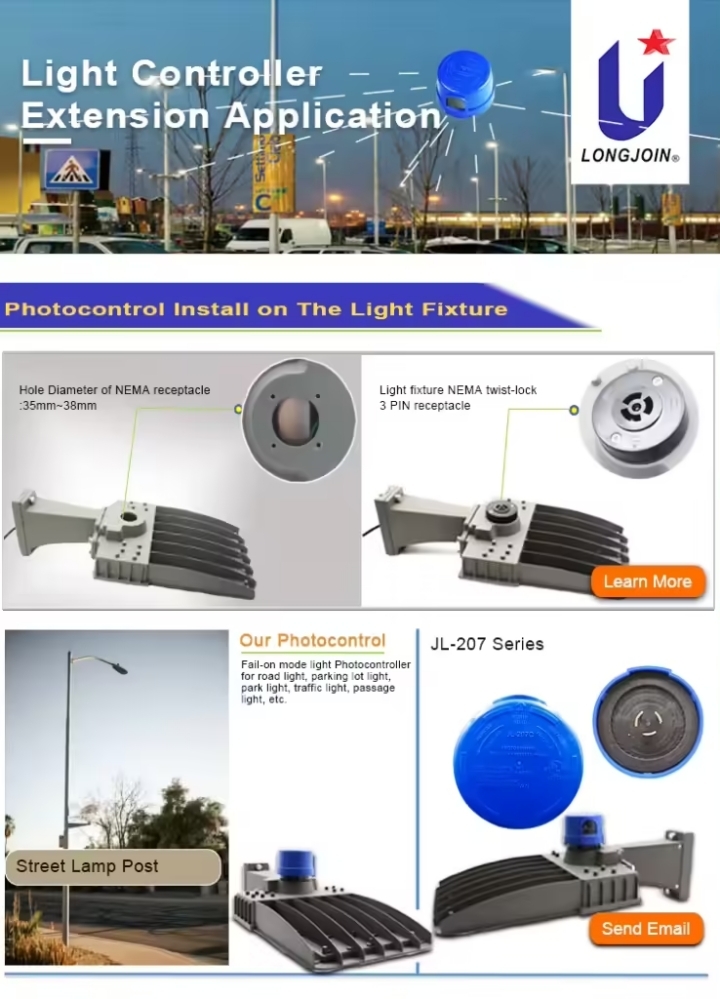
These models use a twist-lock structure. Installation is fast. Maintenance is easy.
- Fits standard Normas ANSI/NEMA enchufes
- High sensitivity to light changes
- Fast response during sunrise and sunset
They are designed for LED streetlights. Better compatibility. Better control accuracy.
| Modelo | Mounting Type | Socket Compatibility | Caso de uso típico | Maintenance Level |
| JL-103A | Con cable | Direct wiring | Básico | streetlights Low |
| JL-205C | Cierre giratorio | ANSI/NEMA 3-pin | LED street lighting | Muy bajo |
| JL-207C | Cierre giratorio | ANSI/NEMA 3/5/7-pin | Smart-ready lighting systems | Muy bajo |
What Role Do Motion Sensors Play Alongside Daylight Sensing?
Daylight sensing controls when lights operate. Motion sensors control how long and how much. Together, they optimize energy use.
PIR Motion Sensor
PIR sensors detect infrared radiation from moving objects. Mainly humans and vehicles.
- Triggers light only when movement is detected
- Keeps lights OFF or dim when no activity
- Reduces idle energy consumption
These are best for residential zones.
Microwave Sensors
They emit high-frequency waves. They detect motion through reflection changes.
- Covers wider detection zones
- Works through obstacles like glass or thin walls
- Performs better in fog, dust, or rain
They complement photocells in challenging environments. The result is precise, adaptive control de iluminación.
How Does Time-Based Control Enhance Streetlight Efficiency?
Estos interruptores de sensor de luz exterior add another layer of precision. It does not rely on light conditions alone, yet follows fixed schedules. This ensures predictable operation.
Timers control when lights turn ON or OFF, based on preset time slots. BN-LINK timers are one of their type. They are simple but effective. Salient features include:
- Define operating hours in advance
- Maintain consistent lighting cycles
- Minimal manual adjustment after setup
Combine Timers with Sensors
Timers alone are not enough. Conditions change daily.
- Daylight sensor handles real-time light levels
- Motion sensor adjusts lighting based on activity
- Timer ensures baseline control
This layered approach improves accuracy. It reduces energy waste further.
What Are the Key Benefits of Daylight Sensing in Streetlighting?
Daylight sensing delivers measurable results. Not theoretical benefits. Real operational gains.
● Energy Savings
Lights stay OFF during the day. No manual errors. No wasted electricity.
● Extended Equipment Lifespan
Reduced runtime lowers component stress. Drivers and LEDs last longer. Maintenance frequency drops.
● Enhanced Safety
Works with motion sensors for instant response. Areas light up when needed. Visibility improves in critical moments.
● Intelligent Management
Systems become adaptive. Not static.
- Automatic ON/OFF control
- Integration with motion and timers
- Consistent performance across environments
The outcome is clear. Lower cost. Better control. Smarter streetlighting systems.
How Are Combined Sensing Technologies Used in Real-World Applications?

Modern streetlighting rarely relies on one control method. Typical setups combine multiple Long-Join components with timers. Each device handles a specific task.
- JL-103A / JL-205C / JL-207C → daylight-based ON/OFF control
- JL-723A1 PIR sensor → motion-triggered activation
- BN-LINK timer → fixed scheduling backup
This combination ensures lights respond to both environment and activity.
| Área de aplicación | How the System Works | Key Outcome |
| Urban streets | Photocell + timer + motion sensor | Reduced peak energy load |
| Parks | Motion + daylight sensing | Lights only when needed |
| Residential areas | Full integration of all controls | Lower bills, better safety |
What Is the Future of Daylight Sensing in Smart Streetlighting?
Streetlighting is moving toward full automation. Daylight sensing remains the foundation. It is now evolving with smart technologies.
It fits into Smart Cities
Daylight sensors are being integrated into IoT platforms. They no longer work in isolation. Connected to central control systems. They offer live monitoring and data feedback along with performance tracking.
The demand is clear. More control. Less waste. Multiple factors are driving this shift, including:
- Increased use of remote management systems
- Growth of adaptive lighting networks
- Integration with AI-based optimization tools
Green Upgrades Matter
Energy regulations are becoming stricter. Cities need scalable solutions.
Daylight sensing ensures baseline efficiency. When combined with smart controls, it enables fully adaptive lighting. This is critical for sustainable urban infrastructure.
Palabras finales
Daylight sensing is the backbone of modern streetlighting. It ensures precise control and smarter operation when combined with motion and time-based systems. For reliable performance, Chi-Swear offers proven Long-Join photocontrollers built for durability and accuracy. A practical choice for efficient and future-ready lighting projects.