
Small Dusk to Dawn Sensors for Compact Outdoor LED Fixtures: Long-Join Photocell Solutions
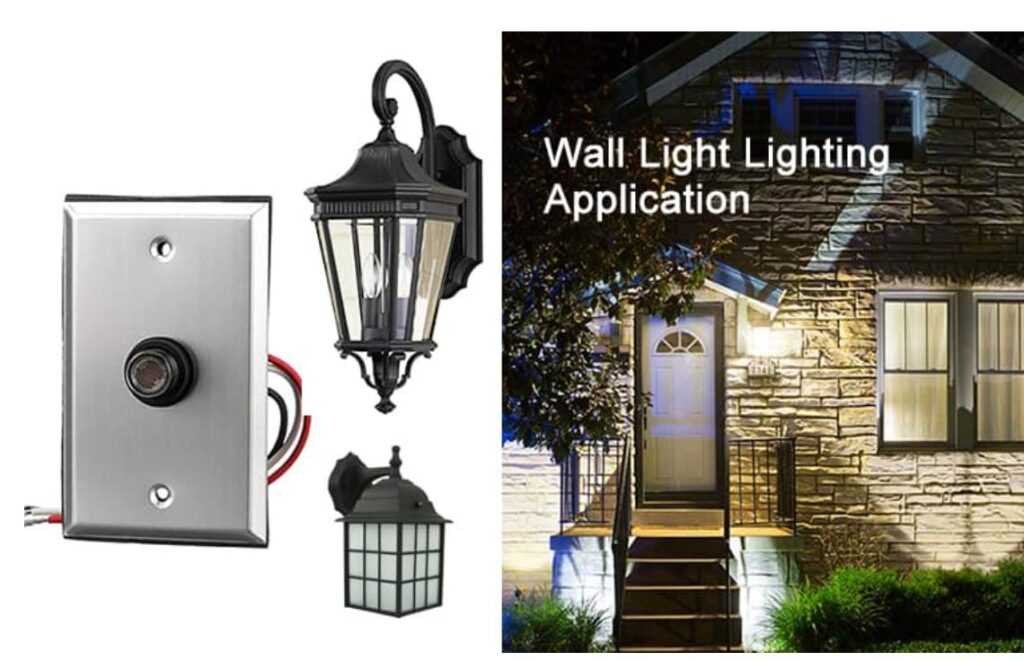
OUTLINE Compact outdoor LED fixtures create a photocell problem that larger outdoor lighting fixtures don’t have: space within. Fixtures such as mini wall packs, garden spotlights, or 60W post lights have small housings, limited knockout clearance, and in some cases, no room for a full-size button photocell at all. The photocell still needs to perform reliably, switch cleanly with an LED driver load, and survive the same outdoor conditions as any other installation. In such cases, it is better to opt for wire-in photocells that don’t take up much space and are fixed with the fixtures. Long-Join’s wire-in range covers compact fixture applications from 10W decorative sconces through 500W flood […]
Best Adjustable Dusk to Dawn Sensors for Commercial Outdoor Lighting
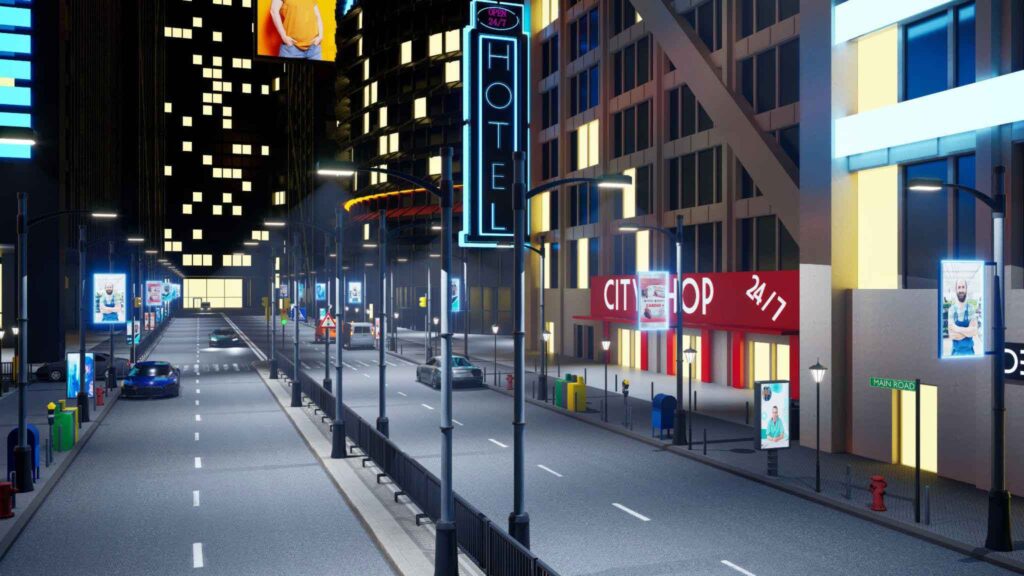
OUTLINE In photocell installation, some things are clear: A photocell mounted on the north face of a building reads a very different light environment from one on the south face. A sensor installed under a canopy sees less direct sky than one on an open pole. A unit next to a billboard picks up reflected artificial light that a unit in an open car park never encounters. These differences matter because a fixed photocell set to a standard lux threshold assumes a consistent light environment, and commercial outdoor lighting installations are rarely consistent. False switching, premature activation, delayed deactivation, and unstable cycling are the symptoms of a photocell that can’t […]
NEMA vs Hard-Wired Dusk to Dawn Sensors: Which Is Better for Street Lighting?
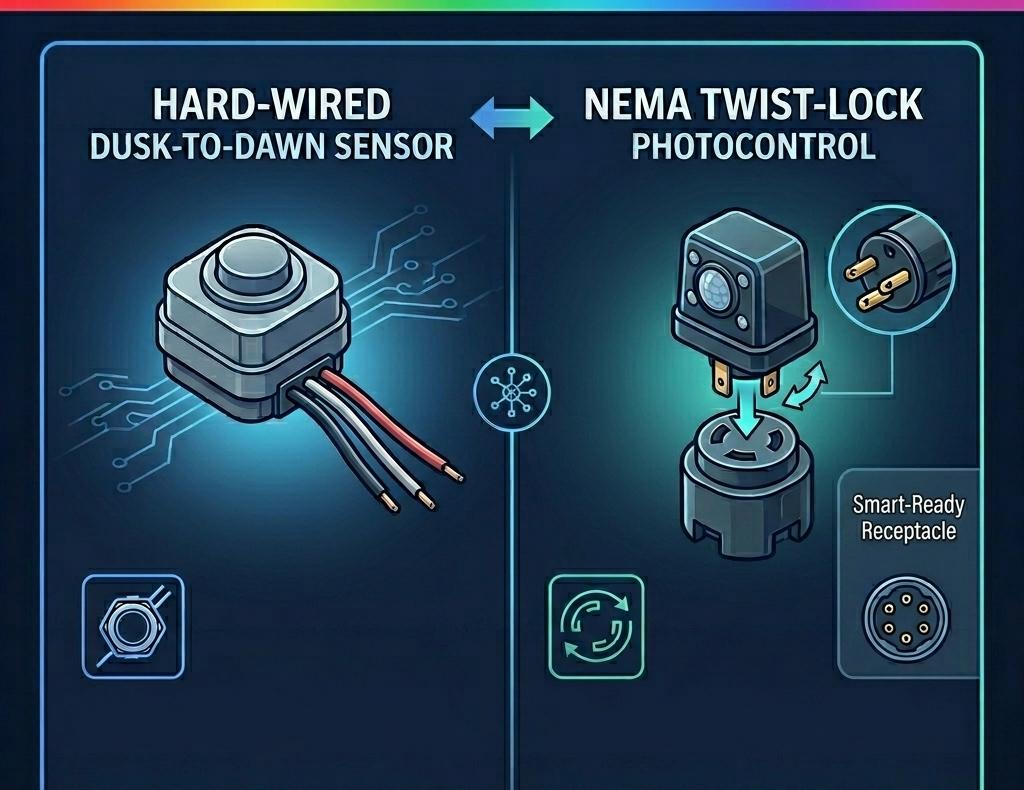
OUTLINE Every outdoor photocell does the same core job: switch outdoor lighting on at dusk, and back off at dawn. Where they differ is in how they connect to the fixture, and that difference has real consequences for installation speed, maintenance cost, and the ability to upgrade the system later. For a single residential wall pack, the distinction barely matters. For a municipal street lighting network running thousands of fixtures, it determines how much the maintenance programme costs every year. Here, I’ll compare hard-wired and NEMA twist-lock photocontrols across the factors that matter for street lighting projects. What Is a Hard-Wired Dusk to Dawn Sensor? A hard-wired photocontrol connects permanently […]
Integration of Photocontrol and Smart Controllers: The Future of Lighting Trends
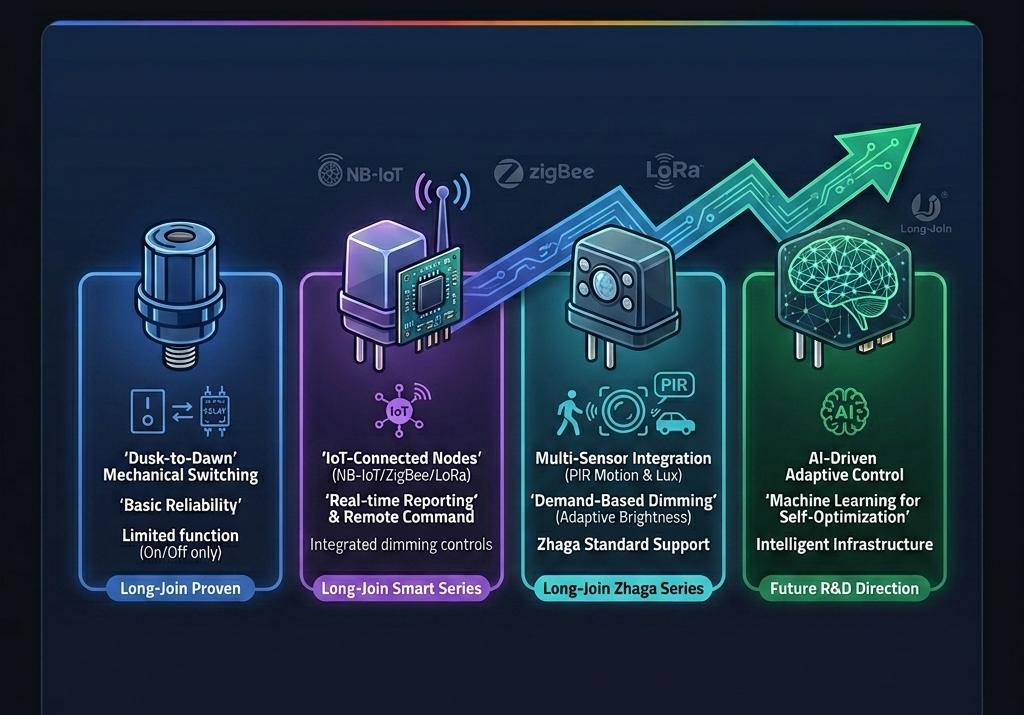
OUTLINE Street lighting looked roughly the same for decades. A photocell sat on top of a pole, sensed when it got dark, switched the light on, and switched it off at dawn. That was the whole system. This system worked, and for basic outdoor lighting, it still does. But the environments these systems operate in have changed, and the expectations placed on them have changed with it. Cities now want to know which lights are on, which ones have faults, how much energy each circuit is consuming, and whether dimming can be adjusted remotely based on traffic conditions as late as 2 am. None of that is possible with a […]
Why IP65 Photocells Are Essential for Outdoor Lighting in Humid Latin American Climates
OUTLINE Talk to a contractor who has run outdoor lighting projects across coastal Brazil or Mexico’s Gulf highway network, and they’ll tell you the same thing: a photocell that works fine in a dry European climate can fail inside a wet season. Housing cracks, contacts corrode, moisture gets in through a gasket that’s lost its compression, and suddenly you’re dealing with false switching or a dead unit on a pole that requires a bucket truck to reach. Latin America’s climate is not forgiving to under-specified outdoor equipment. High humidity, salt air, continuous rainfall, intense UV, and wide temperature swings don’t just shorten service life — they expose every weakness in […]
Top Applications for 240V Dusk to Dawn Sensors in Mexico Industrial Lighting Projects
OUTLINE Mexico’s industrial sector is expanding rapidly. New industrial parks, logistics centres, and manufacturing facilities are coming online across Monterrey, Guadalajara, Tijuana, and the Bajio region, driven by nearshoring investment from North American manufacturers reshoring supply chains. Every one of these facilities needs outdoor lighting, and most of them run on 220-240VAC power systems. For contractors and project integrators specifying outdoor lighting control for these environments, the photocell isn’t a minor line item. It determines whether the lighting system runs reliably through years of heat, UV exposure, seasonal heavy rain, and the kind of grid instability that industrial zones are known for. Why is 240V the Standard for Mexican industrial […]
How to Choose the Best Dusk-to-Dawn Sensor for Outdoor LED Lighting in 2026
OUTLINE Picking a sensor for an outdoor LED project isn’t as straightforward as people think. Some units are reasonably priced and look fine to do the job on the spec sheet, then all of a sudden, the lights start flickering, or worse, stay on through the day. Such failures happen more often than they should, and almost always for the same reason: the buyer compared prices without comparing the specs that actually matter. In 2026, outdoor LED lighting is more popular than ever, mounted in parking lots, highways, residential streets, commercial buildings, and smart city infrastructure. And the demand for reliable dusk-to-dawn sensors has grown with it. This guide cuts […]
Key Benefits of Twist-Lock Low Voltage Photocontrols for Users
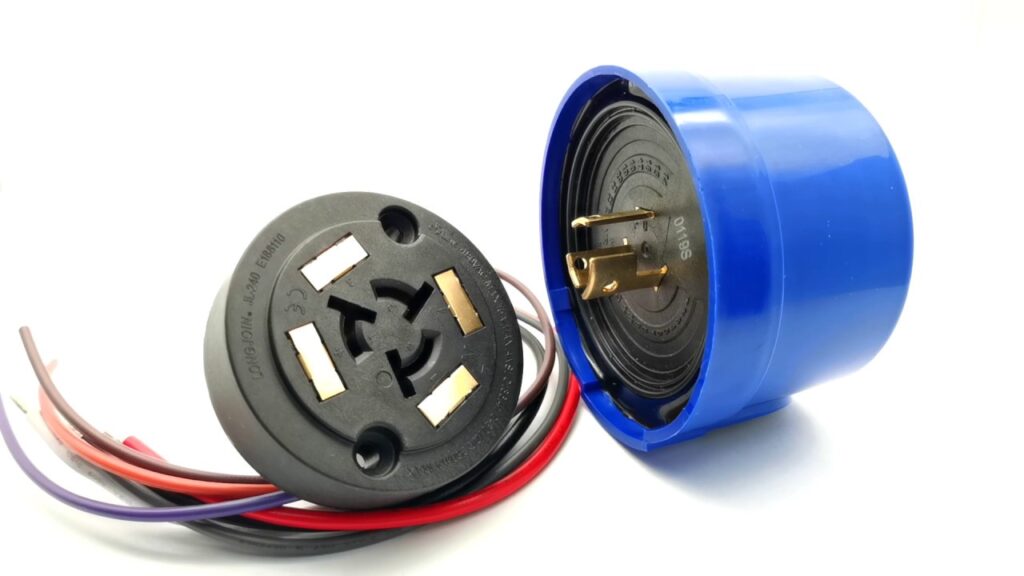
OUTLINE A growing share of Outdoor lighting controls run on 12V, 24V, or 48V DC supplies. Among them, you will find solar street lights, traffic signal systems, highway signage, and radio tower obstruction lighting. These different lighting sources use low-voltage photocontrols that most standard photocell catalogues don’t adequately cover. Twist-lock low voltage photocontrols bridge that gap, combining the installation convenience of the familiar NEMA twist-lock format with the electrical compatibility that DC and specialised AC applications actually need. Let’s dive into what twist-lock low-voltage photocontrols offer, where they’re used, and answer the questions that come up most often during specification and installation. What Makes Twist-Lock Low Voltage Photocontrols Different? Twist-lock […]
Procurement Puzzle: Why Are There So Many Similar Models? Understanding Long-Join’s JL-205C, JL-207C, and JL-207F
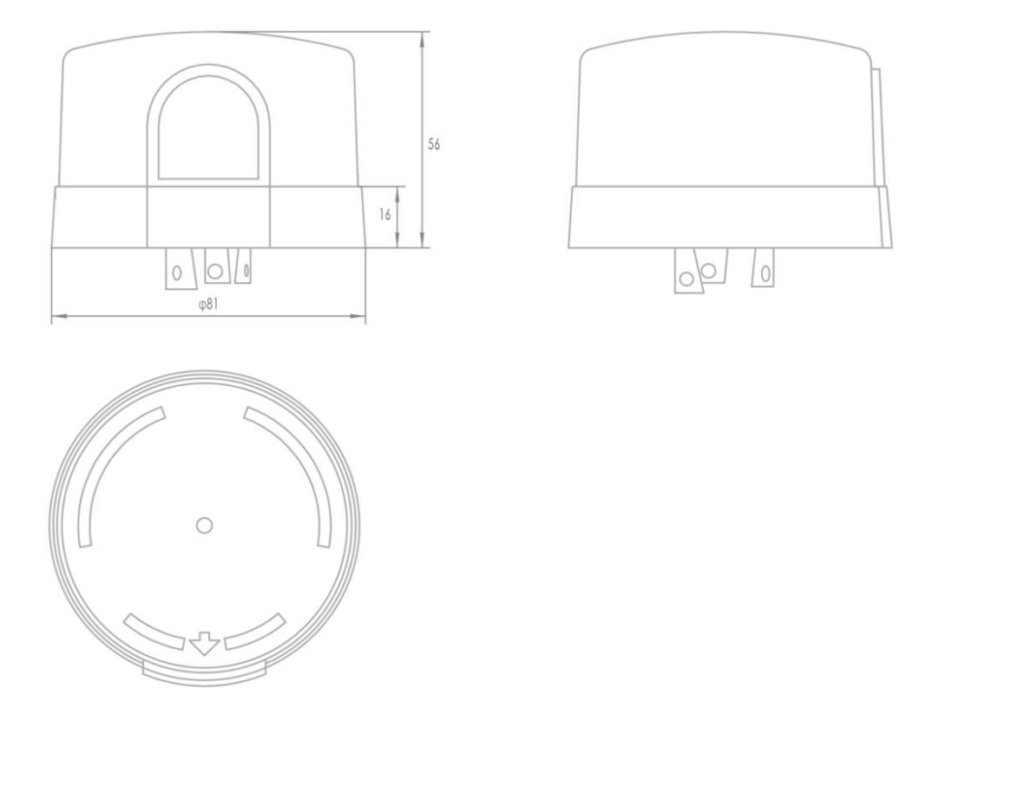
OUTLINE You’re sourcing photocells for a street lighting tender. You open the catalogue and immediately hit a wall. JL-205C. JL-207C. JL-207F. They look almost identical in photos, and the descriptions all say “dusk-to-dawn photocontrol.” The price differences seem marginal at first glance. So your first instinct is completely reasonable: why are there three models when one should do? For the procurement managers, lighting engineers, and the project specifiers who have asked that exact question several times, it’s important to understand Long-Join’s photocell options. Why Does “Simple” Switching Get Complicated? The core function of a dusk-to-dawn photocell is genuinely simple, but the environments these devices operate in are anything but, and […]
Long-Join Low Voltage Photocell JL-411 Series — Multi-Dimensional Value Analysis for Users: A 2026 Buyer’s Guide
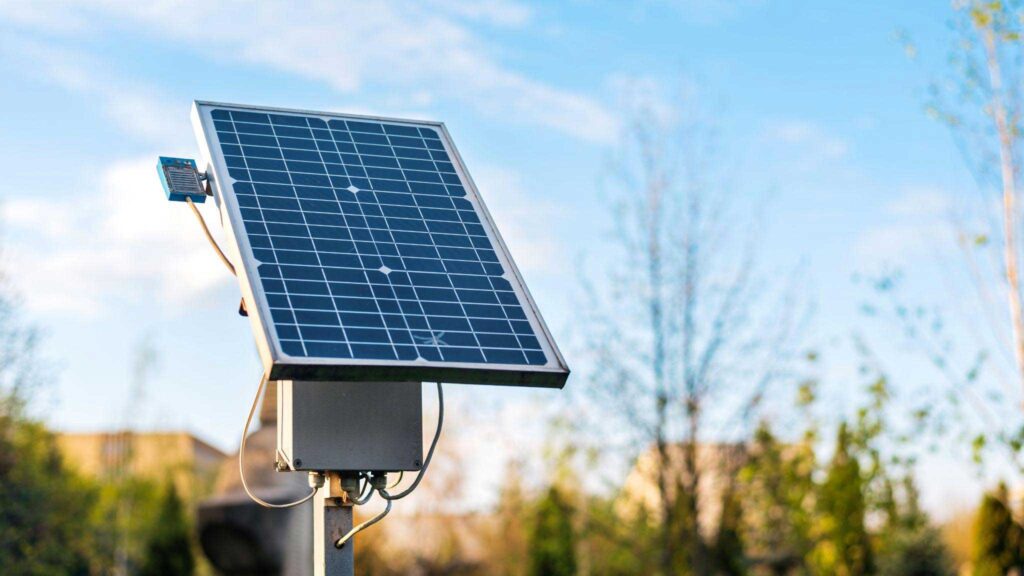
OUTLINE The shift toward solar-powered outdoor lighting has been gradual enough that many procurement teams haven’t fully adjusted their photocell specifications to match it. A low-voltage photocell designed for AC systems on a DC solar controller doesn’t work. The JL-411 series exists because of real gaps like this, affecting a growing number of installations across solar street lighting, automotive applications, and off-grid rural projects worldwide. Let’s examine what the JL-411 series actually offers across its key application scenarios and why the spec decisions Long-Join made for this product line reflect the real demands of low-voltage DC environments. Why Does Low Voltage Photocell Design Require a Different Approach? Low-voltage DC applications […]