
Contorno
- Introdução
- O que torna alguém inteligente? Controle de iluminação Essencial para ambientes externos modernos?
- O que é um Fotocontrole E como isso melhora a iluminação externa?
- Como funciona um Sensor fotocélula de luz Trabalhar internamente?
- Que tipos de Interruptores com sensor de luz São utilizados em sistemas de iluminação externa?
- Onde estão Fotocontroles Quais são os mais usados e por quê?
- Quais normas e certificações globais são aplicáveis? Fotocélula Desempenho?
- Por que empreiteiras e cidades preferem juntas longas? Fotossensores?
- Quais tendências futuras estão moldando a evolução da tecnologia de fotocontrole?
- Conclusão
A iluminação externa não deve ser apenas confiável e eficiente, mas também fácil de gerenciar. Mas como fazer as luzes acenderem exatamente quando necessário, sem esforço humano?
É lá que interruptores de fotocélula Entram em cena. Esses pequenos sensores detectam a luz natural e controlam as lâmpadas automaticamente. Eles reduzem o desperdício de energia, melhoram a segurança e diminuem a necessidade de manutenção. Da iluminação pública às cidades inteligentes, os fotocontroladores são agora essenciais.
E este guia explica tudo o que você precisa saber: como funcionam, onde são usados e quais tecnologias são importantes hoje em dia.

O que torna alguém inteligente? Controle de iluminação Essencial para ambientes externos modernos?
● Economia de energia
A iluminação inteligente reduz drasticamente o consumo de energia. O controle adaptativo e a dimerização podem reduzir o consumo de energia da iluminação pública em aproximadamente [inserir valor aqui]. 50–63% versus sistemas legados.
● Menos reparos
Luzes que respondem a condições reais também exigem menos manutenção. O monitoramento por IoT detecta falhas remotamente e agenda reparos. Isso reduz os custos operacionais e as visitas técnicas.
● Segurança
A segurança é outro aspecto importante. Uma iluminação adequada melhora a segurança. Grandes estudos mostram que intervenções na iluminação reduzem a criminalidade em cerca de 14% em áreas tratadas.
● Flexibilidade
O controle inteligente adiciona flexibilidade. As cidades podem diminuir a intensidade da iluminação em corredores durante horários de pouco tráfego, aumentar a potência para eventos ou criar cenários adaptáveis para segurança. Implantações reais (por exemplo, recentes projetos municipais de LED + IoT) relatam ganhos mensuráveis em custos e serviços.
O que é um Fotocontrole E como isso melhora a iluminação externa?
Este dispositivo fotossensível controla automaticamente a iluminação. Ao anoitecer, ele aciona as luzes para acenderem. Ao amanhecer, com o retorno da luz do dia, ele as apaga novamente.
Esse funcionamento simples de ligar/desligar garante que as luzes funcionem exatamente quando necessário. Sem temporizadores. Sem acionamento manual. As luzes só funcionam no escuro, economizando energia e dinheiro.
Além disso, como respondem diretamente aos níveis de luz natural, as fotocélulas se adaptam automaticamente às estações do ano, às mudanças climáticas ou à cobertura inesperada de nuvens, proporcionando um controle confiável e sem necessidade de manutenção durante todo o período.
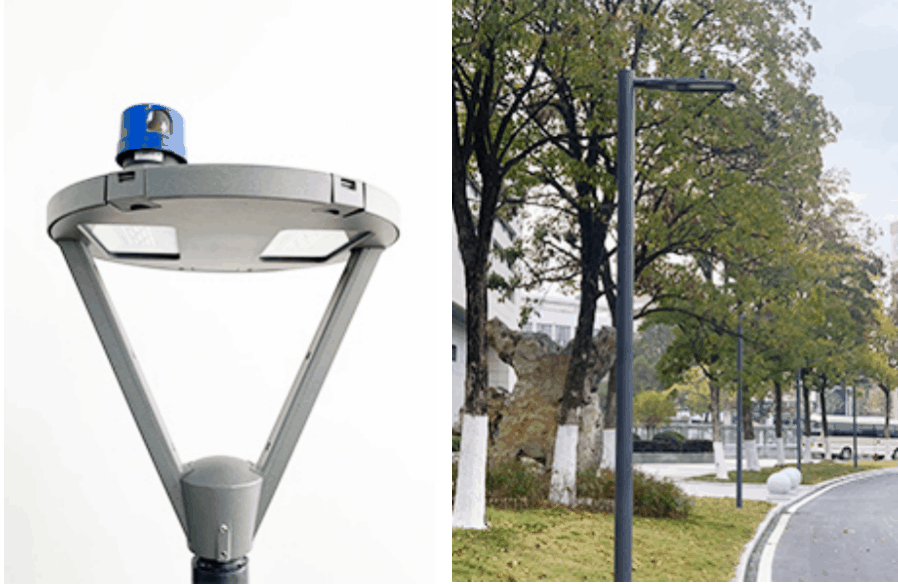
Como funciona um Sensor fotocélula de luz Trabalhar internamente?
Uma célula de CdS, que é um componente fotossensível, controla o funcionamento de um fotossensor. Os pontos a seguir explicam o processo:
- A resistência do sensor varia de acordo com a luminosidade do dia.
- O circuito de controle monitora essas mudanças.
- O circuito ativa um relé para fechar o circuito de energia quando a luz ambiente cai abaixo de um parâmetro predefinido. Isso acende as luzes.
- Com o retorno da luz do dia, o aumento da luminosidade diminui a resistência do sensor. O circuito detecta o aumento e o relé abre. Isso corta a energia, desligando as luzes.
Para evitar acionamentos falsos, existe um mecanismo de histerese. Isso garante que a comutação ocorra somente quando as condições de luz permanecerem abaixo do limite por um determinado período de tempo. Isso ajuda a evitar oscilações ou ciclos frequentes de liga/desliga.
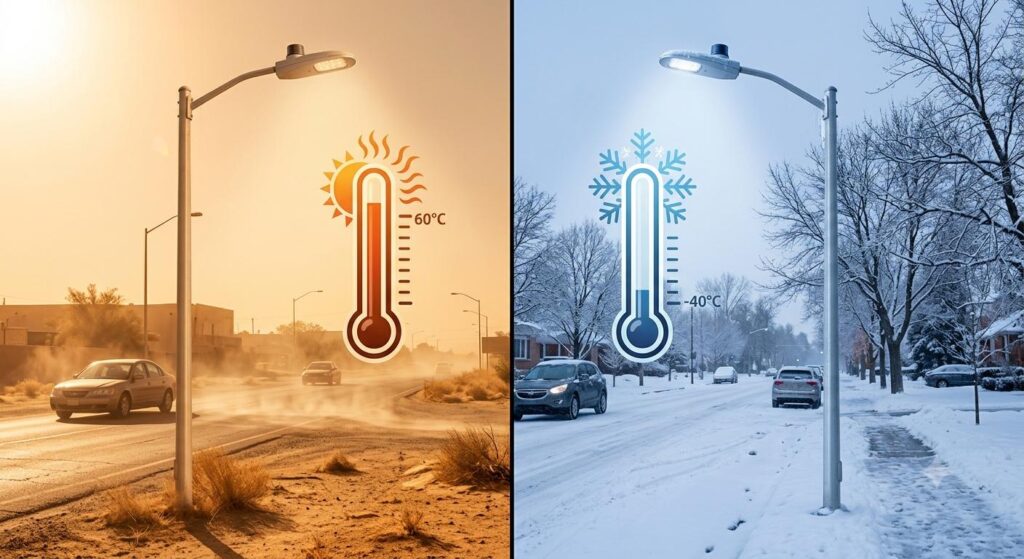
Além disso, a qualidade fotocontroles Incorpora compensação de temperatura e invólucro protetor, que protegem o sensor e os componentes eletrônicos contra temperaturas ambientes extremas e estresse ambiental, garantindo uma comutação estável e confiável em todas as condições climáticas.
Que tipos de Interruptores com sensor de luz São utilizados em sistemas de iluminação externa?
A seguir, discutiremos os principais tipos de controles de iluminação usados em iluminação externa e por que cada um se adequa a diferentes aplicações.
Fotocélulas com fio
Eles se conectam diretamente à fiação da luminária, sendo assim adequados para:
- Iluminação residencial
- Jardins, pequenos estabelecimentos comerciais ou
- luminárias sem tomada
A instalação é simples e de baixo custo, e eles realizam o acendimento e desligamento automático das luzes ao anoitecer e ao amanhecer.
Trava giratória Interruptor fotocélula com sensor de luz
- Eles se conectam a uma tomada e travam com um giro.
- Eles seguem padrões como ANSI e UL773 para compatibilidade.
Os modelos típicos incluem JL202 e JL207. Eles são amplamente utilizados em luminárias de iluminação pública onde a facilidade de substituição e a confiabilidade são prioridades.
Zhaga Fotocélulas
Baseado no livro 18 controladores de iluminação pública utilizam uma interface padronizada e modular. Suportam funções avançadas como o controle de intensidade luminosa através de DALI-2 ou 0–10 V e integração pronta para a IoT — permitindo que as luminárias se conectem a redes de cidades inteligentes.
Modelos típicos como o JL-700W2, na versão de 8 furos, são compatíveis com luminárias LED modernas e ajudam a preparar as instalações de iluminação para o futuro.
Inteligente Controles de iluminação
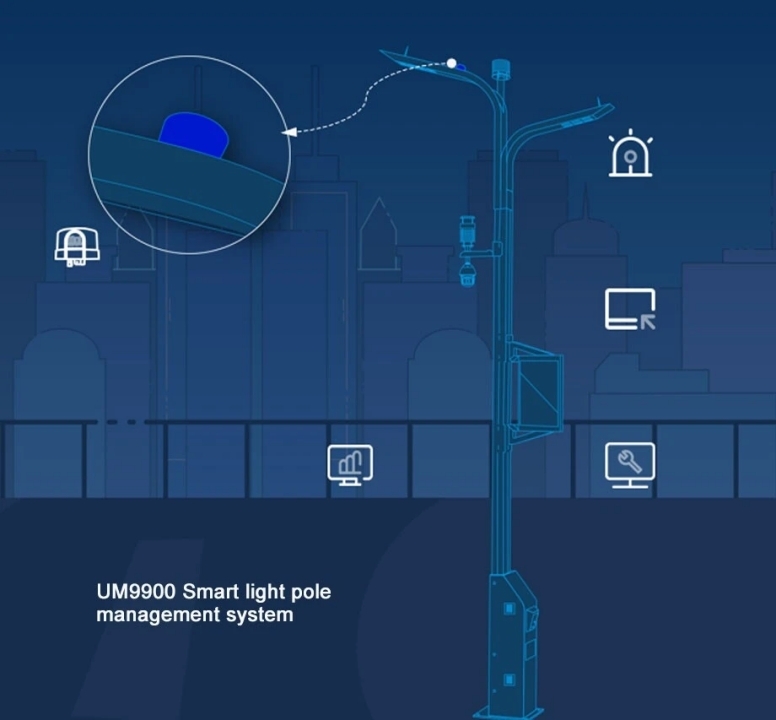
Eles adicionam conectividade por meio de protocolos de comunicação detalhados na tabela abaixo. Isso possibilita o controle remoto e a regulação adaptativa da intensidade da luz.
Com essas tecnologias, as redes de iluminação pública podem ajustar a emissão de luz dinamicamente, detectar e integrar-se a sistemas inteligentes mais amplos. Isso as torna ideais para grandes implantações e para projetos preparados para o futuro.
| Protocolo | Área de cobertura | Consumo de energia | Aplicação típica |
| ZigBee | Curto | Baixo | Campus, pequenos quarteirões da cidade |
| NB-IoT | Largo | Baixo | Iluminação pública com uma única lâmpada |
| LTE-Cat1 | Largo | Moderado | Iluminação inteligente integrada à rede elétrica |
| LoRa | Médio | Baixo | Redes de área municipal |
Comparação dos tipos de fotocélulas por características principais
| Tipo de fotocélula | Faixa de tensão | Aplicações típicas | Capacidade de escurecimento | Preparado para IoT |
| Entrada com fio | 120-277V CA | Residencial, pequeno comércio | Não | Não |
| Trava giratória | 120-277V CA | Postes de iluminação, estacionamentos | Alguns modelos | Limitado |
| Zhaga Livro-18 | 24-240 V CA/CC | Cidade inteligente, luminárias LED | Sim (DALI/0-10V) | Sim |
| Fotocélula inteligente | 24-240 V CA/CC | Iluminação urbana, redes IoT | Sim | Sim |
Onde estão Fotocontroles Quais são os mais usados e por quê?
● Iluminação pública
Este é o principal caso de uso. Sensores de iluminação pública Automatize o acendimento e desligamento automático das luminárias ao anoitecer e ao amanhecer em longas sequências, reduzindo o tempo de funcionamento e o consumo de energia desperdiçados.
● Implantações de cidades inteligentes
Aqui, instale fotocontroladores em nós de sensores e soquetes Zhaga para habilitar o controle de intensidade luminosa, a detecção de falhas e a orquestração remota.
● Locais comerciais e industriais
Eles usam fotocontroles Para estacionamentos, iluminação perimetral e pátios de serviço, onde a operação noturna previsível e o escurecimento programado reduzem os custos.
● Iluminação de jardim e solar
Esses espaços dependem de células fotovoltaicas de baixa voltagem para preservar a vida útil da bateria e garantir que as luzes funcionem somente após o anoitecer.
Quais normas e certificações globais são aplicáveis? Fotocélula Desempenho?
● UL-773
Isso abrange fotocélulas de encaixe com trava usadas em sistemas de iluminação externa na América do Norte. A conformidade é um requisito para muitas licitações de concessionárias de serviços públicos e municípios.
● ANSI C136.10
Define a interface de encaixe por torção. A norma ANSI C136.41 adiciona opções de contato inteligentes/com regulagem de intensidade (5 ou 7 fios) para controladores avançados.
● Livro Zhaga-18
Essa certificação padroniza os pinos mecânicos, elétricos e de comunicação para módulos de sensores e nós — essenciais para a intercambialidade e a prontidão para a IoT (Internet das Coisas).
- Outras certificações essenciais para o acesso à UE incluem:
- ISO sistemas de qualidade e
- RoHS conformidade ambiental
Elas garantem segurança, confiabilidade e materiais não tóxicos. Atender a esses padrões não é opcional para fornecedores globais. As certificações simplificam a aquisição e os contratos de serviço de longo prazo. Aqui está uma tabela que resume os padrões globais e suas respectivas regiões de conformidade.
| Padrão/Certificação | Região | Objetivo/Foco | Tipo típico de fotocélula |
| UL773 / UL773A | EUA | Conformidade com normas de segurança, plug-in e fiação | Instalação com fio, sistema de encaixe por torção |
| ANSI C136.10 | EUA | Soquete de encaixe giratório padrão | Trava giratória |
| ANSI C136.41 | EUA | Escurecimento inteligente multi-fio | Trava giratória, inteligente |
| Zhaga Livro-18 | Global | Interface inteligente preparada para sensores | Zhaga, Inteligente |
| CE / RoHS / ISO | UE e Global | Segurança elétrica, conformidade ambiental | Todos os tipos |
Por que empreiteiras e cidades preferem juntas longas? Fotossensores?

Empreiteiros e municípios frequentemente escolhem o sistema Long-Join por essas razões claras e práticas. Sem rodeios, apenas vantagens confiáveis.
- Décadas de experiência e confiança na indústria. A Long-Join produz fotocontroladores há mais de 20 anos.
- Personalização OEM/ODM. Eles oferecem cores de revestimento, especificações de fiação, embalagens e configurações personalizadas para diferentes regiões ou projetos.
- Ampla gama de certificações e conformidade global. Seus produtos possuem todas as certificações globais e, portanto, são aceitos em todo o mundo.
- Preços competitivos sem sacrificar a qualidade. Comparadas a produtos estrangeiros similares, as fotocélulas da Long-Join oferecem soluções econômicas, ao mesmo tempo que atendem aos padrões internacionais.
- Forte presença de mercado nos EUA. Seus fotocontroladores bimetálicos detêm, segundo relatos, cerca de 50% do mercado de fotocélulas para iluminação externa nos EUA — um sinal de desempenho confiável.
- Soluções de controle inteligentes e preparadas para o futuro. O Long-Join integra recursos modernos: tomadas compatíveis com Zhaga, controladores prontos para IoT (ZigBee / NB-IoT / sem fio remoto) e interfaces modulares — ideais para cidades inteligentes e atualizações de iluminação LED.
Quais tendências futuras estão moldando a evolução da tecnologia de fotocontrole?
Os fotocontroladores deixaram de ser simples interruptores crepusculares. Eles estão evoluindo rapidamente — veja como será o futuro.
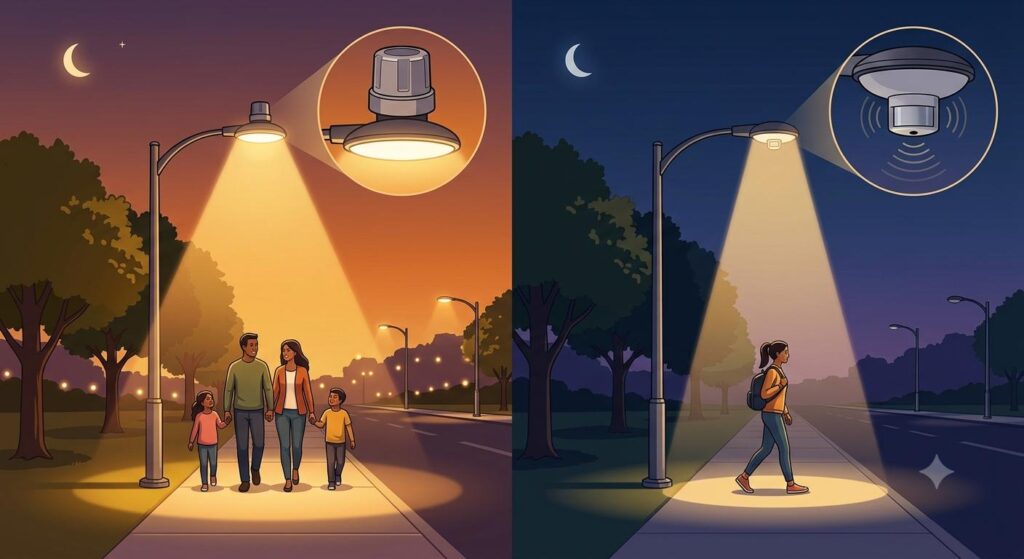
Em primeiro lugar, a integração com cidades inteligentes está em ascensão. As fotocélulas atuais se conectam a redes de IoT, permitindo que as cidades monitorem, controlem ou dimerizem a iluminação remotamente. As redes já possibilitam o escurecimento adaptativo com base no tráfego ou na atividade de pedestres.
Em segundo lugar, a regulação adaptativa da intensidade luminosa, que é eficiente em termos energéticos, está a tornar-se um padrão. As fotocélulas digitais podem reduzir a intensidade da luz ou diminuir a sua potência quando a procura é baixa, reduzindo o consumo de energia e as emissões de CO₂ e mantendo a segurança.
Em terceiro lugar, a sustentabilidade e a redução da poluição luminosa são prioridades crescentes. As novas células fotovoltaicas filtram a luz azul prejudicial e ajustam o brilho de forma inteligente. Isso limita o brilho do céu e preserva a visibilidade do céu noturno.
Por fim, a interoperabilidade está se tornando crucial. Isso ajuda as cidades a dimensionar e modernizar os sistemas de iluminação sem precisar substituir luminárias inteiras.
Conclusão
Os fotocontroladores estão se tornando mais inteligentes e confiáveis à medida que os sistemas de iluminação externa evoluem. Seu papel na eficiência e no desempenho a longo prazo é essencial para a infraestrutura moderna. Para empreiteiros que buscam produtos confiáveis, Chi-Swear Oferece fotocontroladores Long-Join comprovados, respaldados por fortes certificações e longa experiência em fabricação.
Links externos
- https://www.sciencedirect.com/science/article/pii/S1876610217302710?ref=pdf_download&fr=RR-2&rr=9a5d7ff74a749087
- https://bra.se/english/publications/archive/2021-12-21-effectiveness-of-street-lighting-in-preventing-crime-in-public-places
- https://www.ansi.org/
- https://www.iec-equipment.com/new/new-31-969.html
- https://www.dali-alliance.org/dali2/comparison.html
- https://en.wikipedia.org/wiki/0-10_V_lighting_control
- https://en.wikipedia.org/wiki/Zigbee
- https://en.wikipedia.org/wiki/Narrowband_IoT
- https://lora-alliance.org/
- https://www.zhagastandard.org/?view=article&id=64:book-18&catid=10
- https://en.wikipedia.org/wiki/CE_marking
- https://www.iso.org/home.html
- https://environment.ec.europa.eu/topics/waste-and-recycling/rohs-directive_en


 English
 Spanish
 Russian
 Arabic
 Italian
 Japanese
 Portuguese