Solução de soquete padrão Zhaga
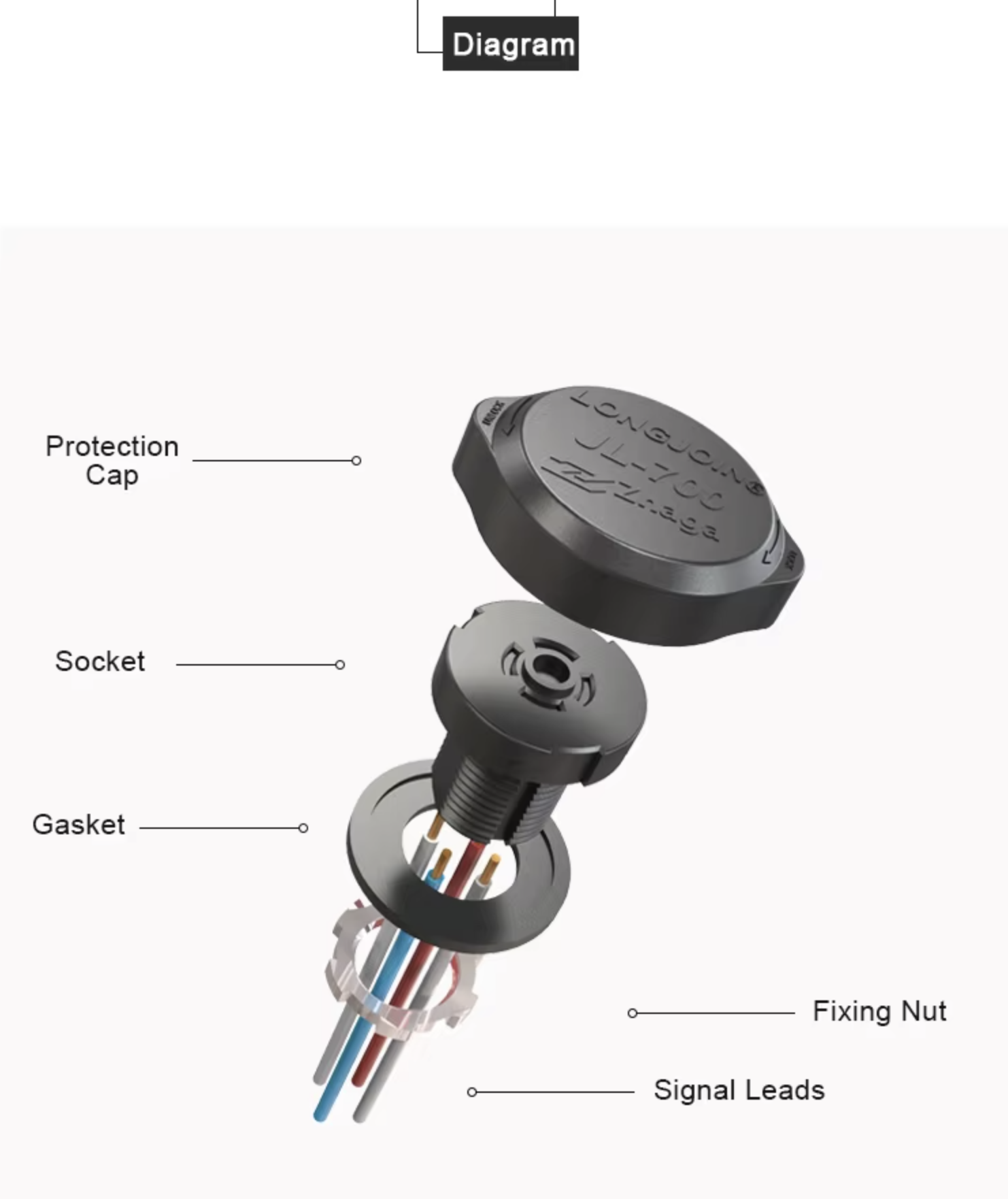
Zhaga sockets connect compatible sensing or communication modules to outdoor LED luminaires. Compare mounting options, electrical interfaces and controller requirements, and verify compatibility for the selected models before integration.

- Interface compatibility - Select matching socket, controller and luminaire models. Verify mechanical dimensions, pin assignments, electrical requirements and the relevant certification scope before integration.
- Environmental protection - Check the specified IP rating for the selected model and assembled configuration, including the mating controller or cap and sealing requirements.
- Modular maintenance - Use compatible replaceable controllers or caps and follow the model’s installation instructions. Confirm whether replacement requires isolation of the power supply.
- Control and communication options - Confirm the electrical interface supported by the selected socket, luminaire and controller. Dimming and wireless functions depend on the controller model and system configuration.
Produto de soquete Zhaga
-

Receptáculo para fotocélula Zhaga Book-18 JL-700W2, versão sem terminais com dois furos
Leia mais -

Zhaga Socket Series Overview
Leia mais -

JL-700M Classe zhaga Livro 18 tomada de trava para esquema de dimerização 0-10v
Leia mais -

Tomada JL-700L Zhaga Book-18 (versão com cabo)
Leia mais -

Tomada Zhaga JL-700K4, JL-700K5 com suporte para painel
Leia mais -

JL-700W Zhaga livro-18 Sem fios Conecte o receptáculo da fotocélula Zhaga
Leia mais -

Soquete JL-700 Zhaga de junção longa
Leia mais -

JL-710 Zhaga Book 18 Conector de 4 pinos para comutação CC-CA
Leia mais
Exibição de vídeo relacionado ao produto:
Plano de instalação

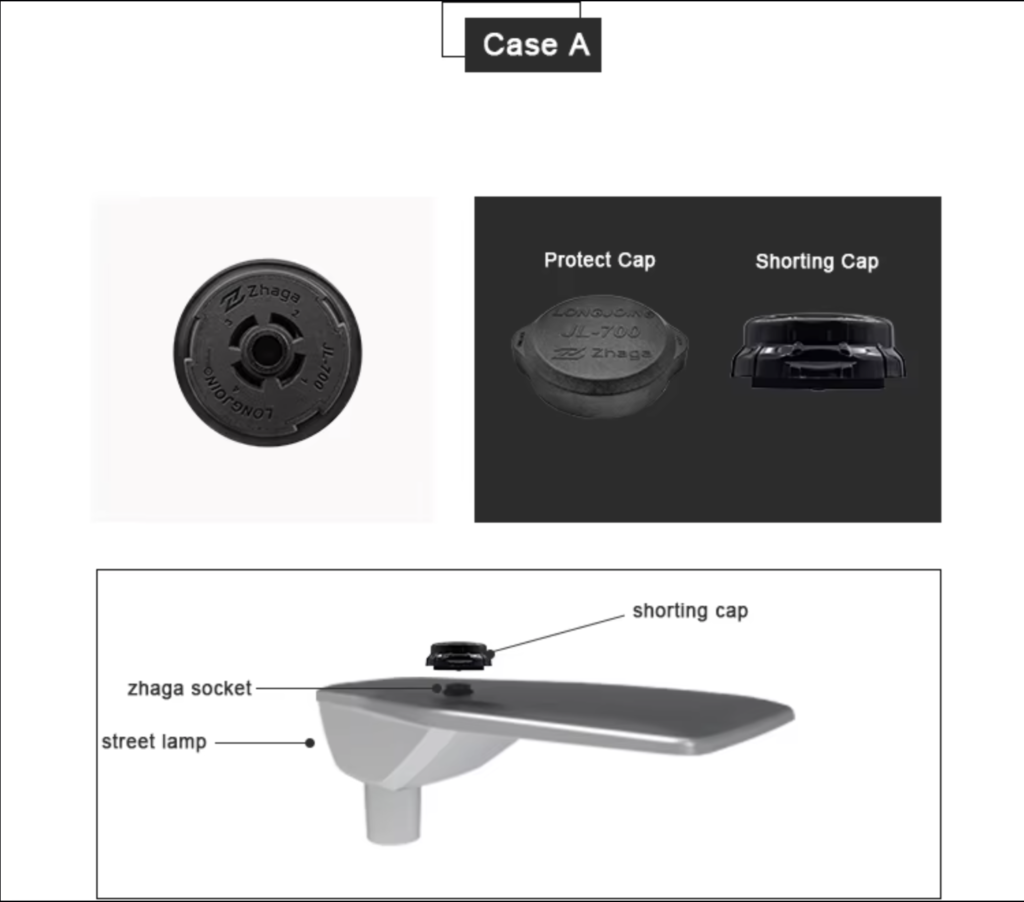
For a luminaire prepared for a Zhaga socket, select a compatible protective cap or controller according to the project requirements. A protective cap and a shorting cap may have different functions; check the specified model and wiring diagram before selection. For a retrofit, verify mounting dimensions, electrical connections, driver compatibility and sealing requirements. Compare the complete installed solution when assessing cost.

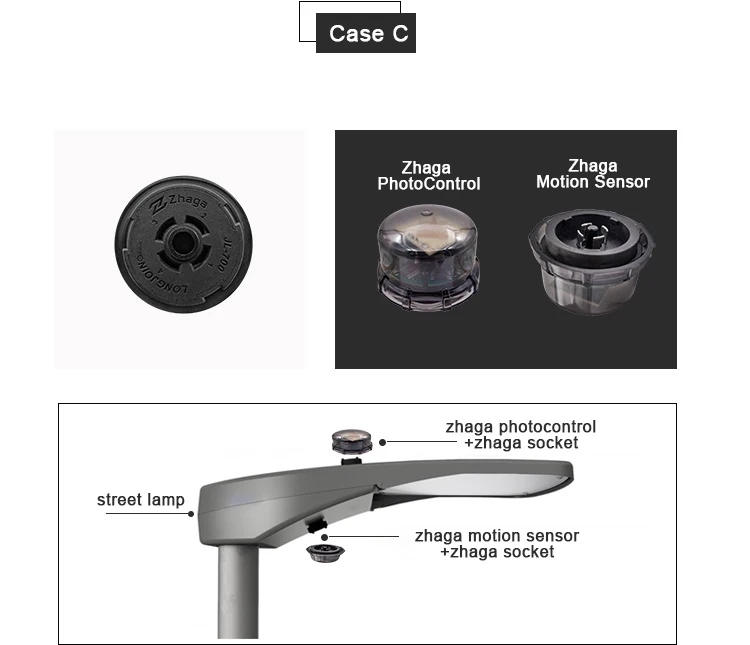
Select the controller for the required outdoor lighting functions, such as ambient-light switching, motion sensing or remote management. Confirm compatibility with the socket, driver and luminaire, including supply requirements and the supported control interface. Follow the model-specific instructions for mounting, wiring and sealing. Suitability for an indoor project must be established separately from the outdoor Book 18 interface.
Aplicação da tomada Zhaga com diferentes controladores de luz

Ambient-light control: A compatible photocontrol can switch lighting in response to ambient light according to its specified settings. Verify the controller’s switching thresholds, electrical ratings and compatibility with the socket and luminaire. Compare project costs using the selected components and installation requirements.

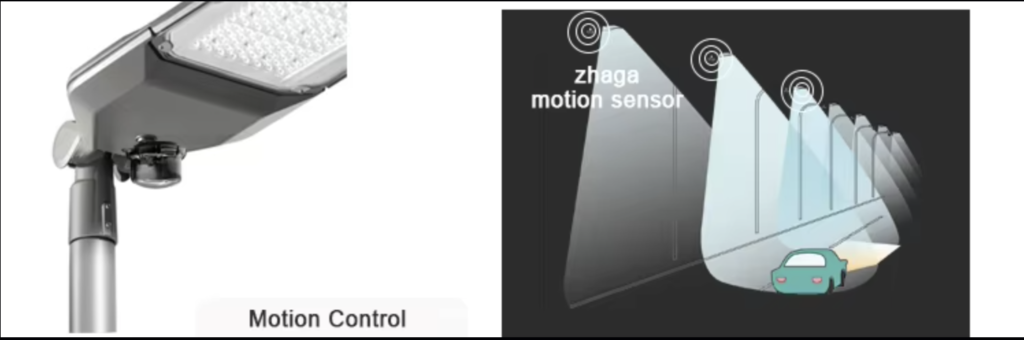
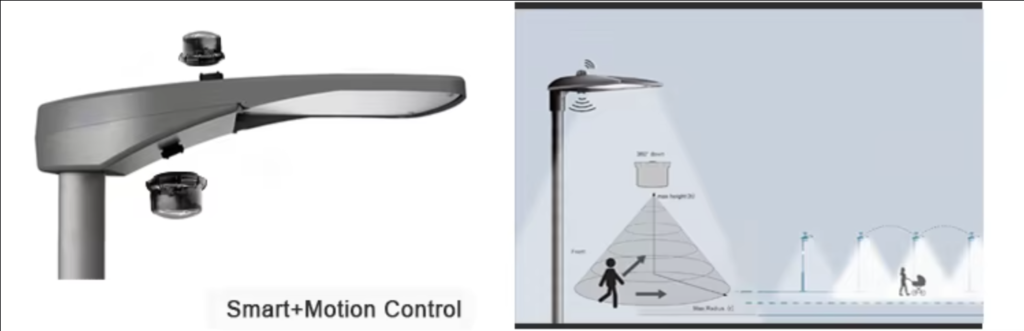
Motion-based control: Confirm whether the selected controller uses infrared or microwave sensing; these are different sensing technologies. Check its detection range, coverage, installation position and supported control behavior. Lighting response and energy use depend on the sensor settings, driver, site conditions and operating schedule.

Combined sensing and dimming: Some controller models combine ambient-light and motion sensing. Verify the sensing technology and supported output, such as DALI, in the model datasheet, and select a compatible driver and luminaire. Check the required settings and environmental ratings for the intended outdoor application. The socket alone does not provide these control functions.
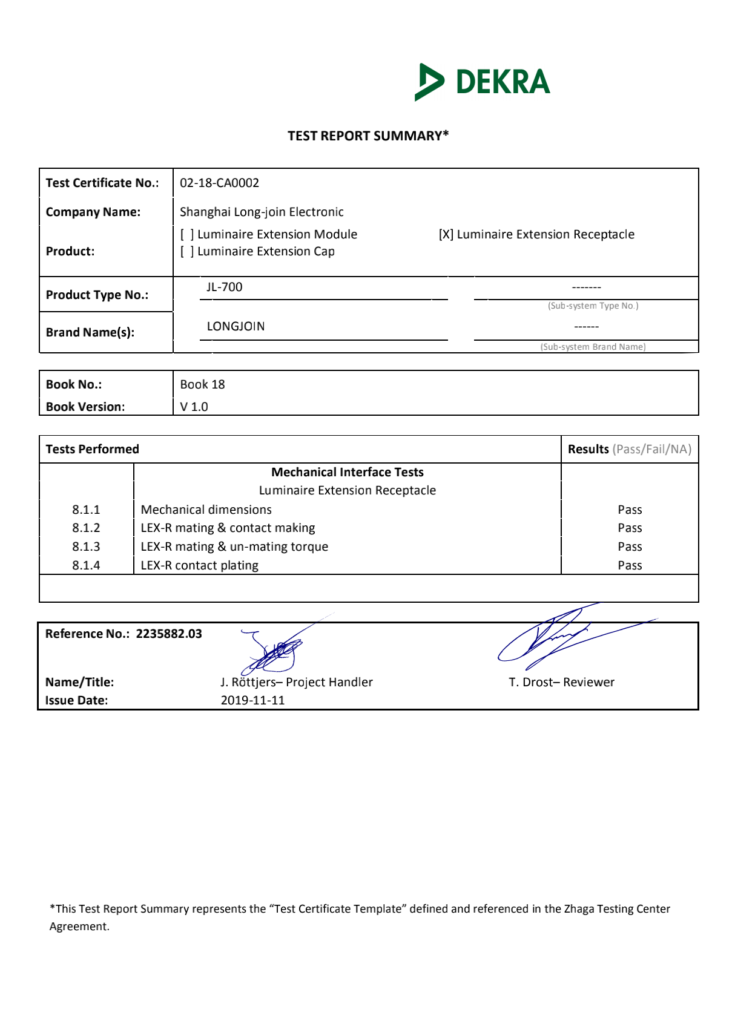
livro zhaga 18 Certificado
Zhaga develops standardized interfaces for LED lighting components.
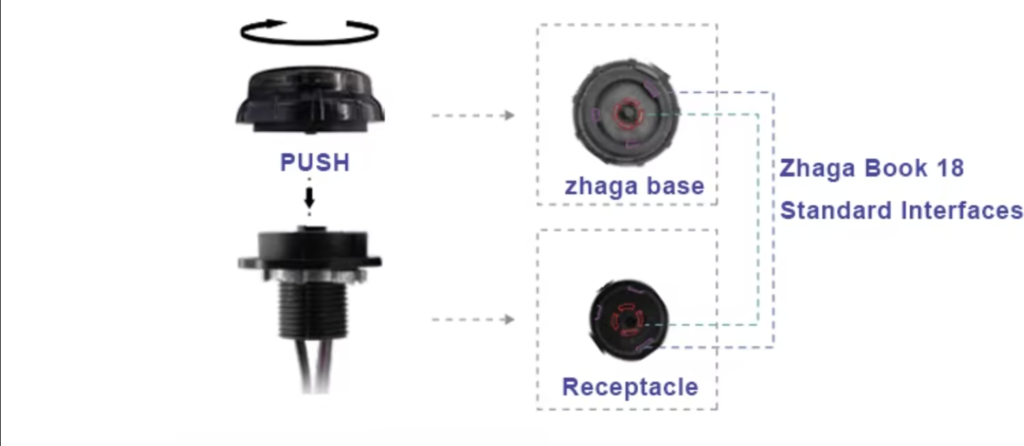
Zhaga Book 18 defines the interface between outdoor LED luminaires and sensing or communication modules, including mechanical fit, electrical connections, power and communication requirements. For a specific socket and controller combination, verify the model specifications and the relevant certification scope. Zhaga-D4i interoperability requires certified luminaires and certified sensing or communication nodes on both sides of the interface.


Perguntas frequentes
Zhaga Book 18 covers the interface between outdoor LED luminaires and sensing or communication modules. Typical project settings include roads, parks and outdoor parking areas, subject to the selected models and installation conditions. Check the socket, controller and luminaire specifications for the intended application. Do not infer suitability for indoor luminaires or every lamp type from the connector shape alone.
For an outdoor installation, select a compatible socket, controller or protective cap, and luminaire assembly. Verify the model’s temperature limits, electrical ratings and specified IP rating in the assembled configuration. Follow the installation instructions for mounting, wiring and sealing, and check any stated requirements for UV exposure or corrosion resistance. Suitability for a harsh environment must be supported by the relevant model specifications and test data.
Evaluate the socket as part of the complete luminaire assembly. Check the model’s operating-temperature limits, electrical ratings and installation requirements, together with the thermal requirements of the luminaire and controller. A socket does not by itself guarantee that the LED module will remain within its temperature limits. Confirm the assembled system’s suitability for the intended operating environment before selection.
The electrical connections depend on the specific socket, controller and luminaire models. Use the model datasheets and wiring diagrams to verify pin assignments, supply voltage, polarity, current ratings and the supported control or communication interface before connection. Do not assume that every Zhaga-style socket supports DALI, DMX or a protective-earth connection. Select a compatible combination and follow the installation instructions for each component.
Service life depends on the specific model, operating conditions, installation and maintenance. Request the model’s durability or reliability test data and warranty terms for your project. Assess temperature, moisture, UV exposure, electrical loading and mating cycles against the stated specifications. A fixed service life cannot be assigned to every Zhaga socket without model-specific evidence.
Safety depends on selecting compatible components and installing them within their stated ratings. Check the model’s electrical ratings, insulation requirements, temperature limits, environmental protection and applicable test reports or certifications. Follow the socket, controller and luminaire installation instructions, including wiring, sealing and mounting requirements. Assess safety at the complete luminaire-system level; a standardized connector alone is not a guarantee of safe operation.
The socket provides an interface for a compatible sensing or communication module; the controller, driver and system determine the available functions. Check the supported interface and model specifications for functions such as ambient-light switching, dimming, motion sensing or remote management. Do not assume that every socket supports DALI, DMX, color-temperature adjustment or wireless communication. Verify the complete component combination before specifying a project.
Check compatibility for the specific socket, controller and luminaire models before installation. Compare mounting dimensions, pin assignments, supply requirements and the supported communication interface using the model datasheets. A matching connector shape alone does not establish electrical or functional compatibility. For Zhaga-D4i interoperability, verify that both the luminaire and the sensing or communication node are certified and that the certification covers the intended combination.
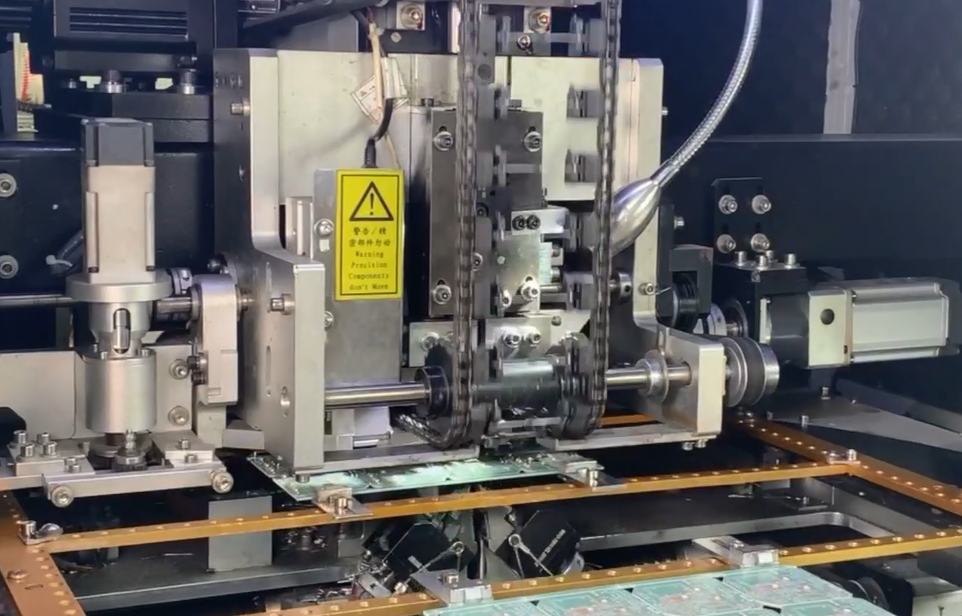
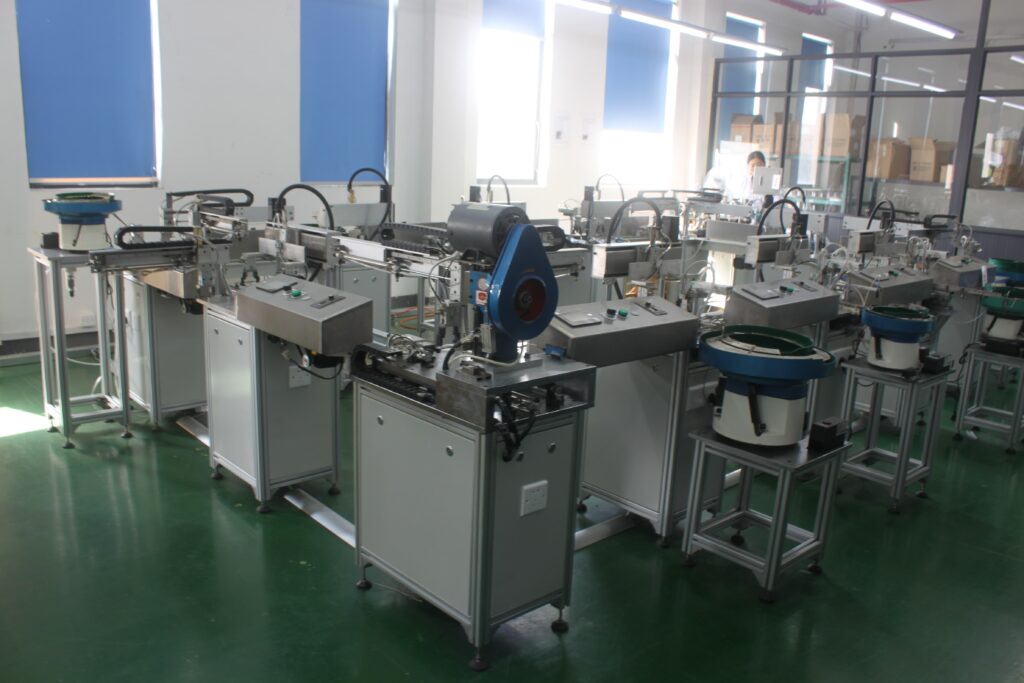
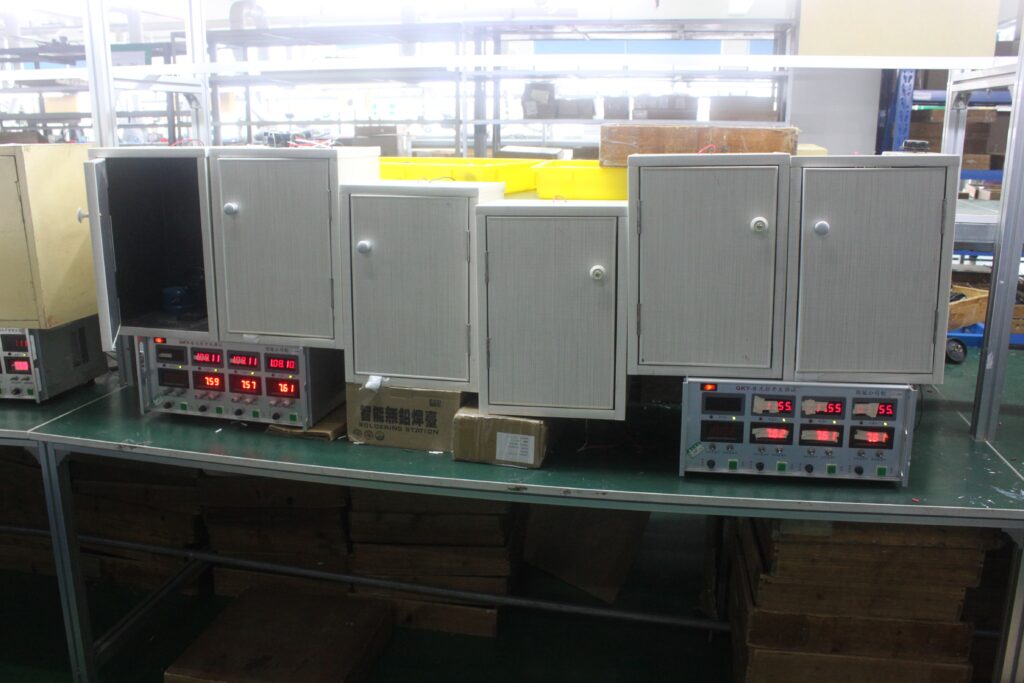
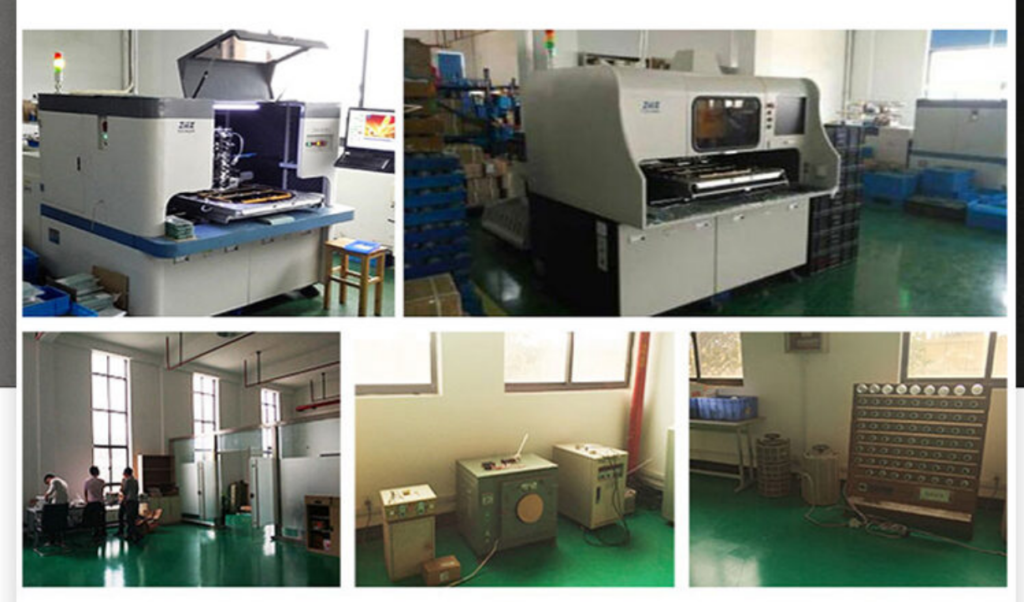
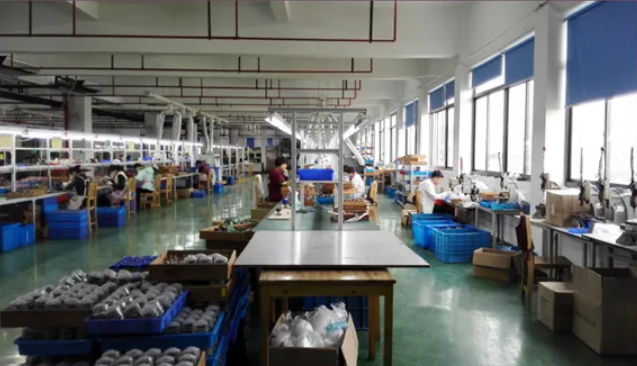
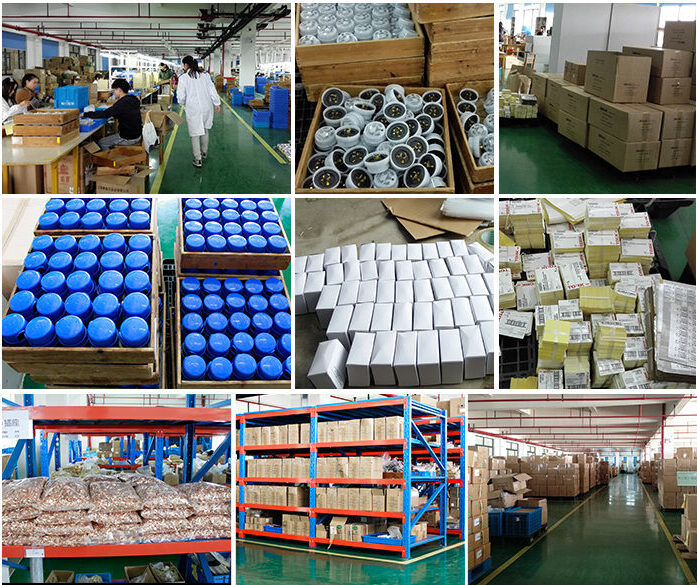
Oficina de Produção


Artigos relacionados à ZHAGA

Adoção da padronização: interfaces NEMA e Zhaga na tecnologia de fotossensores
Resumo: Devido à rápida evolução dos sistemas de iluminação inteligentes, sua padronização para garantir compatibilidade e integração perfeita tornou-se crucial. Entre esses avanços, destacam-se os fotossensores.

Zhaga vs. NEMA: Qual sistema de controle de iluminação tem o futuro no crescente mercado sul-americano?
À medida que a infraestrutura urbana da América do Sul se desenvolve rapidamente, a necessidade de sistemas inteligentes de controle de iluminação aumenta. Tanto as normas Zhaga quanto as NEMA ganharam destaque.

Os conectores de controle de iluminação Zhaga suportam atualizações modulares plug-and-play? E como eles simplificam a manutenção e as atualizações de sistemas de iluminação externa?
Resumo: No mundo atual, os projetos de iluminação externa inteligente estão se tornando cada vez mais populares. Isso se deve à sua eficiência energética, baixo custo e sustentabilidade. Apesar de...
Analisando as opções de tomadas com fio e sem fio para o controlador Zhaga: qual solução atende melhor às suas necessidades?
Os soquetes controladores Zhaga desempenham um papel fundamental nos sistemas de iluminação modernos, oferecendo interfaces padronizadas para a conexão de módulos de controle inteligentes. Esses soquetes aprimoram a funcionalidade e

Simplificando a Instalação: Como o Design Infalível da Zhaga Transforma a Configuração de Iluminação
Projetos de iluminação de grande escala, que incluem edifícios, armazéns e sistemas de iluminação urbana, frequentemente enfrentam desafios na instalação e manutenção, como configurações de fiação complexas e solução de problemas contínuos.,

O futuro da iluminação exterior: como as normas NEMA e Zhaga impulsionam as inovações em cidades inteligentes.
A iluminação pública com postes de luz sempre foi essencial para a segurança e para criar uma paisagem urbana visualmente atraente. Mas, para as nossas cidades modernas, o uso de