
Contorno
- Introdução
- O que torna o JL de junção longa-246CG um Smart Fotocélula de luz Módulo para sistemas de iluminação modernos?
- Como a detecção de luz ambiente possibilita o controle inteligente de ligar/desligar?
- Por que a faixa de coleta espectral é crucial para a detecção precisa da luz?
- Como a proteção contra surtos integrada melhora a confiabilidade do sistema?
- Como funciona o JL-246CG Suporta controle de dimerização digital de 0 a 10 V?
- Como a compatibilidade com a interface NEMA melhora a integração do sistema?
- Como funciona o JL-246CG Interruptor fotocélula Garantir a segurança na comunicação e na transmissão de dados?
- Como a conectividade em nuvem possibilita o gerenciamento inteligente da iluminação?
- Como funciona o JL-246CG Sensor de iluminação fotocélula Simplificar a instalação e a implantação em ambientes externos?
- Quais são as principais vantagens funcionais de escolher o JL-246CG Fotocontrole Módulo?
- Conclusão
A iluminação exterior moderna exige mais do que um simples interruptor. Requer inteligência e fiabilidade.
O Smart JL-246CG de junção longa sensor fotocélula O módulo foi projetado para essa mudança. Ele combina detecção de luz precisa com 0–10V Capacidade de ajuste de intensidade da luz. A conectividade com a nuvem aprimora ainda mais o controle e a visibilidade.
Isso torna o JL-246CG uma solução prática para sistemas de iluminação urbana inteligente. Eficiência e flexibilidade do sistema continuam sendo seus principais pontos fortes.
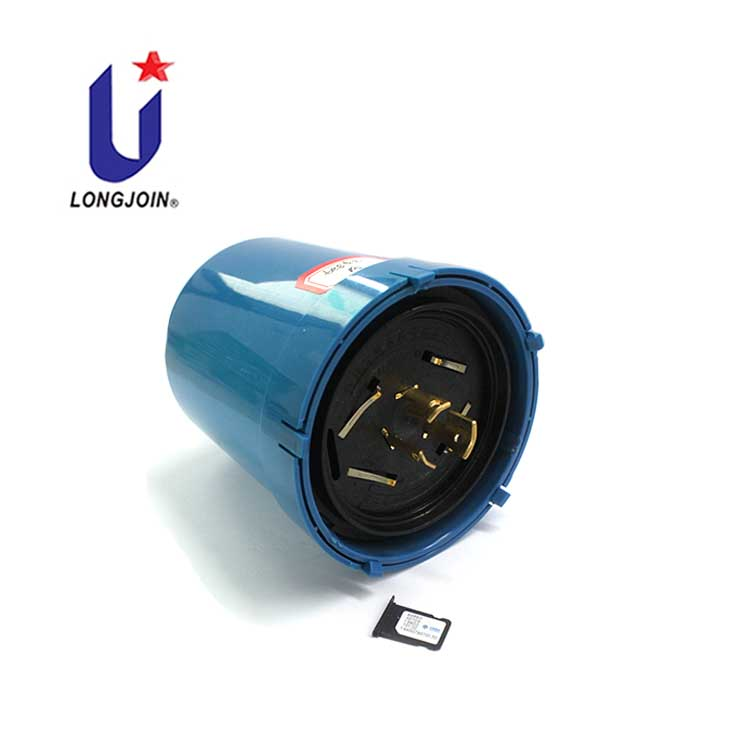
O que torna o Long-Join JL-246CG um equipamento inteligente? Fotocélula de luz Módulo para sistemas de iluminação modernos?
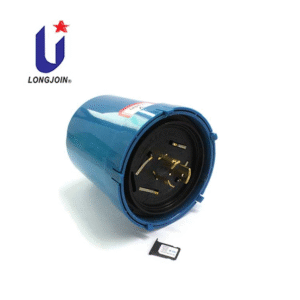
O Long-Join JL-246CG é mais do que um simples interruptor de luz. Ele combina sensores de luz e tecnologia de comunicação em uma única unidade para atender às necessidades modernas.
Principais características
- Este módulo se encaixa NEMA Tomadas padrão. Por isso, é fácil de instalar em sistemas de iluminação urbana e pública.
- Suporta dimerização de 0 a 10 V para ajuste preciso da intensidade da luz. Também se integra a redes inteligentes para gerenciamento remoto.
- O JL-246CG funciona com Zigbee ou LoRa comunicação. Isso possibilita conectividade em nuvem em tempo real e feedback de dados. Como resultado, os operadores podem monitorar remotamente o status e o desempenho de cada lâmpada.
Essas características tornam o JL-246CG ideal para iluminação urbana inteligente, onde economia de energia, automação e controle em rede são essenciais.
Como a detecção de luz ambiente possibilita o controle inteligente de ligar/desligar?
O JL-246CG utiliza um sensor ambiente de alta sensibilidade. sensor de luz que detecta os níveis de luminosidade natural ao longo do dia. O sensor monitora a luz ambiente e aciona as luzes ao entardecer e as apaga ao amanhecer, sem intervenção humana.
Ele utiliza um fototransistor com filtro infravermelho para ignorar interferências infravermelhas e luz anormal que poderiam causar acionamentos falsos. Isso reduz o acionamento indesejado em condições de tempo nublado ou variável.
Algoritmos inteligentes dentro do módulo evitam acionamentos falsos, filtrando picos de luz de curta duração.
Em conjunto, isso garante que as lâmpadas funcionem apenas quando necessário. O resultado é uma iluminação estável, menor consumo de energia e maior vida útil das luminárias em condições reais de iluminação externa.
| Parâmetro | JL-246CG Especificação | Impacto prático |
| Limiar de comutação (Lux) | Calibrado de fábrica (personalizável) | Impede a comutação prematura |
| Tempo de atraso na resposta | Algoritmo de atraso integrado | Elimina a cintilação |
| Tipo de sensor | Transistor fotoelétrico | Sensoriamento estável a longo prazo |
| Deriva de temperatura | Baixo | Confiável em mudanças sazonais. |
| Precisão diurna/noturna | Alta precisão | Operação consistente do anoitecer ao amanhecer |
Por que a faixa de coleta espectral é crucial para a detecção precisa da luz?
O JL-246CG interruptor de sensor de luz Capta luz em uma ampla faixa espectral de 350 a 1100 nm. Isso abrange a maior parte da luz visível e dos sinais de infravermelho próximo que são importantes para a detecção precisa da luz externa.
Os fototransistores de silício usados nesses módulos são inerentemente sensíveis nessa ampla faixa de luminosidade. Isso os torna ideais para detecção de luz do dia e transições entre o crepúsculo e o amanhecer.
Função do transistor fotoelétrico de filtro infravermelho interno
Este componente bloqueia comprimentos de onda infravermelhos indesejados e anormais que poderiam distorcer as leituras. Este filtro integrado impede que o módulo reaja a picos de calor ou reflexos de luz não visíveis, comuns perto de luminárias LED e equipamentos de iluminação urbana.
Prevenção de interferências de fontes de luz infravermelha e anômalas
Porque o JL-246CG sensor fotoelétrico Ao detectar apenas os comprimentos de onda relevantes, o sistema evita acionamentos falsos causados por radiação infravermelha dispersa ou fontes de luz que não sejam de dia. Isso resulta em automação precisa, controles estáveis e redução de acionamentos falsos em condições de iluminação mista.
Como a proteção contra surtos integrada melhora a confiabilidade do sistema?
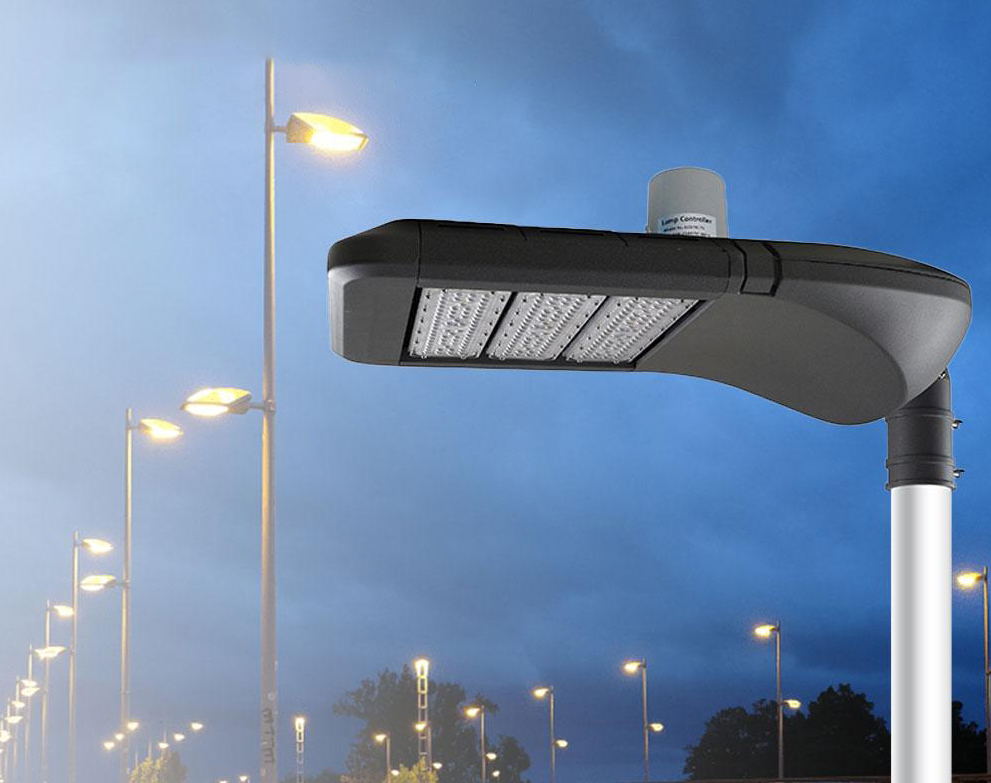
Capacidade de proteção contra surtos
O JL-246CG inclui proteção contra surtos de 6KV/3KA. Essa faixa de tensão foi projetada para lidar com altas tensões transitórias causadas por descargas atmosféricas próximas e anomalias repentinas na rede elétrica.
Quando ocorre um pico de tensão, o circuito de proteção desvia o excesso de energia dos componentes eletrônicos sensíveis. Isso, consequentemente, reduz o risco de danos.
Classificação de proteção Classe II
Esta classe de proteção se enquadra na categoria de supressor robusto de tensão transitória (SPD) padrões, garantindo que o módulo permaneça operacional mesmo em ambientes elétricos adversos.
A especificação de 6 kV significa que ele pode suportar surtos comuns em ambientes externos sem falhar, enquanto continua protegendo os equipamentos de iluminação conectados.
Durabilidade a longo prazo dos componentes eletrônicos internos
Com proteção contra surtos integrada, o JL-246CG receptáculo de fotocontrole Prolonga a vida útil dos componentes e melhora a confiabilidade. Evita interrupções frequentes devido a picos transitórios e suporta o funcionamento contínuo da iluminação.
Isso também reduz os custos de manutenção e o tempo de inatividade em projetos de iluminação urbana inteligente. A tabela abaixo explica as características técnicas dos produtos e como eles são úteis para uso externo.
| Recurso de proteção | Valor técnico | Benefícios para uso externo |
| Classificação de pico | 6KV / 3KA | Resiste a descargas atmosféricas |
| Classe de proteção | Classe II | Atende aos padrões de segurança para uso externo. |
| Nível de isolamento | Reforçado | Reduz o risco de falha |
| Tolerância a perturbações na rede elétrica | Alto | Estável durante picos de tensão |
| Blindagem interna do componente | SPD | Prolonga a vida útil |
Como o JL-246CG suporta o controle de dimerização digital de 0 a 10 V?
Este protocolo padrão de dimerização é usado para ajustar a emissão de luz de forma suave. Ele utiliza um sinal de baixa tensão para ajustar o brilho da luminária. Com 10 V, as luzes funcionam com brilho máximo. À medida que a tensão diminui, o brilho diminui proporcionalmente.
Os principais benefícios da regulação de intensidade incluem:
- Caminhos com baixa interferência que ajudam a manter as variações de brilho estáveis.
- Compatível com a maioria dos drivers de LED e sistemas de iluminação.
- Ajuste suave e contínuo, desde a potência máxima até os níveis mínimos.
Como o controle de intensidade luminosa é digital do ponto de vista do controlador, isso ajuda a reduzir o ruído e a flutuação em comparação com os métodos analógicos mais antigos.
Isso cria um brilho consistente e mantém as luzes confiáveis em sistemas de iluminação inteligente. JL-246CG sensor fotocélula de luz Suporta tanto o escurecimento local quanto estratégias inteligentes mais abrangentes, possibilitando economia de energia e controle adaptativo da iluminação.
Como a compatibilidade com a interface NEMA melhora a integração do sistema?
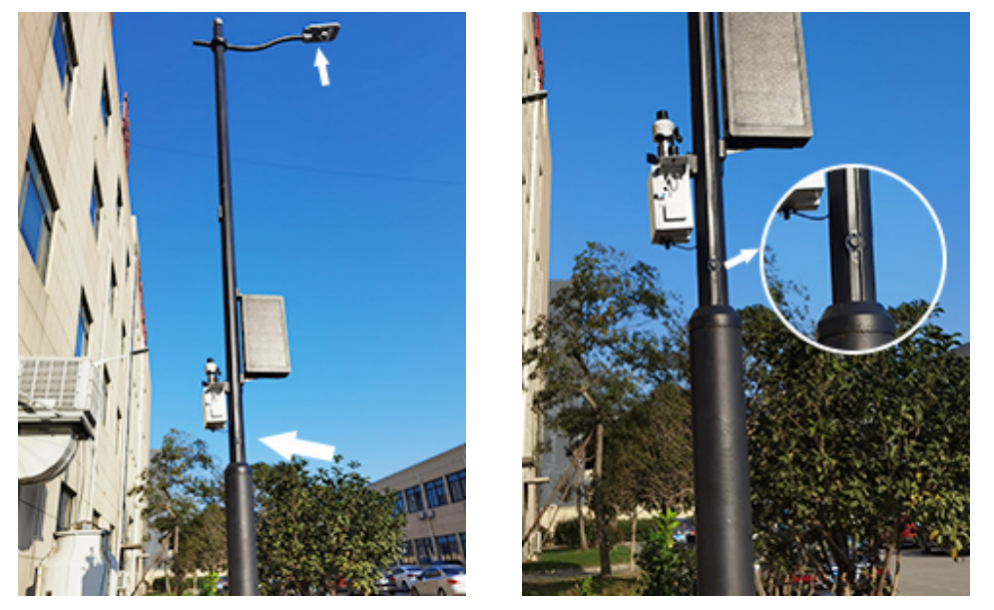
O JL-246CG foi projetado para soquetes padrão NEMA, o que o torna amplamente compatível com a infraestrutura de iluminação pública e externa existente.
Isso traz diversas vantagens práticas:
● Instalação plug-and-play
Os módulos se transformam em padrões ANSI Tomadas C136.41 sem necessidade de refazer a fiação.
● As melhorias podem ser feitas pelo próprio usuário.
As luminárias existentes podem ser modernizadas com controles inteligentes. Isso pode ser feito sem a necessidade de trocar as luminárias.
● Manutenção simplificada
Conexões padronizadas significam substituições rápidas e menos tempo de inatividade.
A compatibilidade com NEMA também permite o design de sistemas modulares. Cidades e operadoras podem combinar controles de dimerização e módulos de comunicação na mesma plataforma.
Essa versatilidade torna as redes de iluminação preparadas para futuras atualizações.
Como funciona o JL-246CG? Interruptor fotocélula Garantir a segurança na comunicação e na transmissão de dados?
O JL-246CG utiliza criptografia de hardware integrada para proteger a comunicação entre o módulo e sistemas remotos. Isso significa que dados como comandos de dimerização e relatórios de status são criptografados no nível do hardware antes de saírem do dispositivo. Isso impede a interceptação fácil.
Os modernos sistemas de iluminação inteligente geralmente adotam criptografia AES. Este é um padrão para proteger o tráfego de dados e impedir acessos não autorizados ou adulteração.
Ao bloquear o acesso não oficial, o JL-246CG sensor de fotointerruptor Impede que agentes maliciosos injetem comandos falsos e roubem dados confidenciais.
Isso também garante que os sinais de atenuação permaneçam intactos e precisos à medida que viajam pelas redes, o que é vital em grandes implantações onde muitos nós se comunicam simultaneamente.
Com uma forte segurança de transmissão, os gestores de iluminação podem confiar que o sistema se comportará de forma consistente e segura, mesmo sob cargas de rede elevadas.
Como a conectividade em nuvem possibilita o gerenciamento inteligente da iluminação?
A conectividade em nuvem transforma o JL-246CG em um dispositivo gerenciável remotamente. Uma vez conectado a uma plataforma em nuvem, o módulo pode enviar dados operacionais em tempo real para painéis de controle centrais. Isso permite que os operadores visualizem o status das lâmpadas, os níveis de brilho, as falhas e as horas de funcionamento de qualquer lugar.
Com atualizações em tempo real, as equipes remotas podem agir rapidamente quando surgem problemas. Por exemplo:
● Monitoramento remoto
Veja online o estado e a atividade da lâmpada.
● Sincronização de dados
As métricas de desempenho são armazenadas e analisadas ao longo do tempo.
● Otimização
As informações obtidas na nuvem ajudam a refinar as estratégias de economia de energia e os horários de iluminação.
Isso reduz as verificações no local e melhora a tomada de decisões. Também estabelece as bases para a otimização de cidades inteligentes, onde a iluminação se adapta aos padrões sem intervenção manual.
Como funciona o JL-246CG? Sensor de iluminação fotocélula Simplificar a instalação e a implantação em ambientes externos?
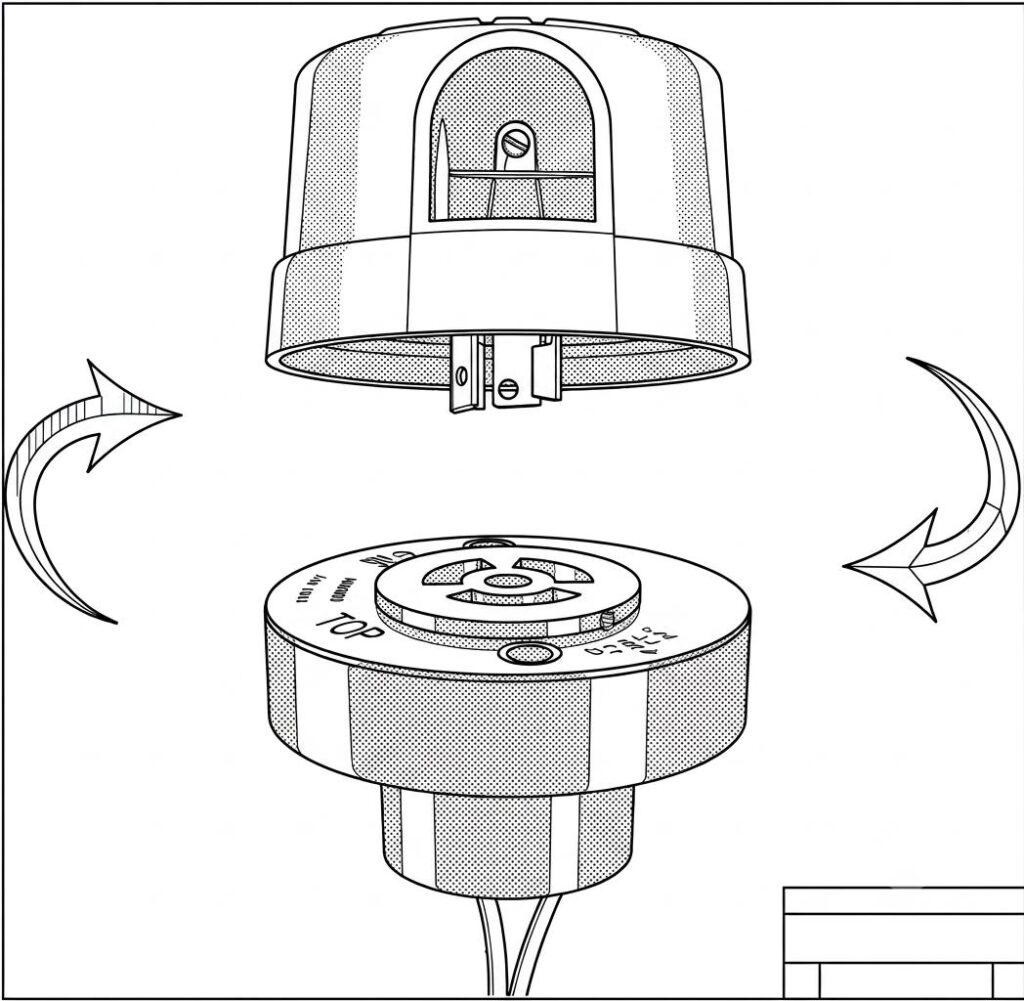
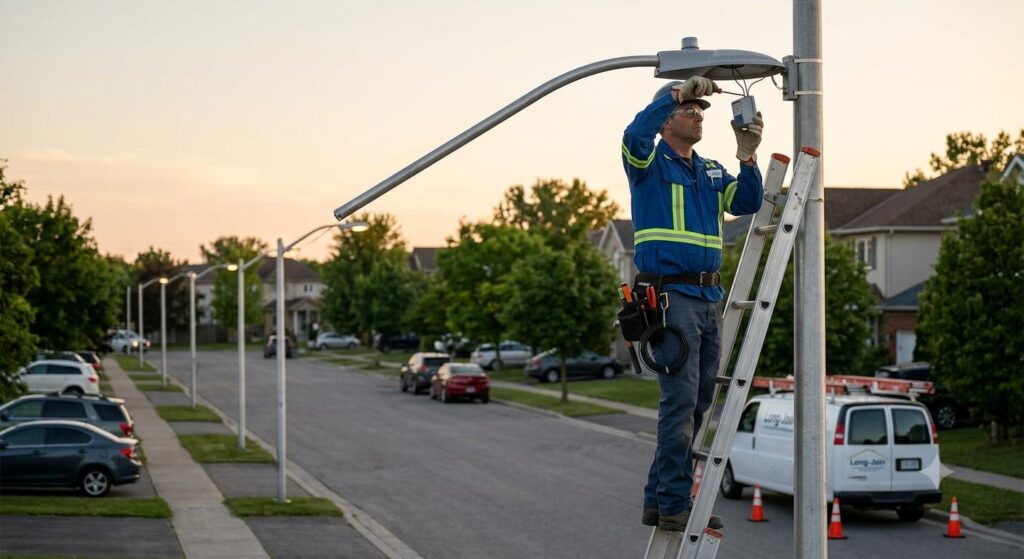
A instalação do JL-246CG é simples, pois segue as normas mecânicas NEMA (ANSI C136.41). Isso significa que ele se encaixa e trava nos soquetes de iluminação pública existentes sem a necessidade de refazer a fiação, reduzindo o tempo de trabalho e os erros.
Você obtém a conveniência do "plug-and-play", mesmo em reformas. Não são necessárias novas bases ou adaptadores para instalar a maioria das luminárias externas.
Os principais benefícios incluem:
- Instalação rápida. Basta inserir e girar para travar.
- Design hot-swappable. Os módulos podem ser substituídos com a alimentação ligada.
- Classificação IP67. A caixa selada resiste à chuva e às condições climáticas extremas.
Por ser projetado para condições externas, com proteção selada e interfaces padronizadas, o JL-246CG controle do sensor de luz Ideal para projetos de iluminação pública e infraestrutura onde durabilidade e facilidade de manutenção são essenciais. A tabela abaixo ajuda a visualizar alguns cenários de uso reais.
| Cenário de aplicação | Benefício da Instalação | Por que JL-246CG Serve |
| Iluminação pública | Montagem com trava giratória | Padrão NEMA |
| Iluminação de rodovias | Substituição rápida | Tempo de inatividade mínimo |
| Projetos de Cidades Inteligentes | Atualizações modulares | Preparado para o futuro |
| Parques industriais | Tolerância a ambientes hostis | Alto Classificação IP |
Quais são as principais vantagens funcionais de escolher o JL-246CG? Fotocontrole Módulo?
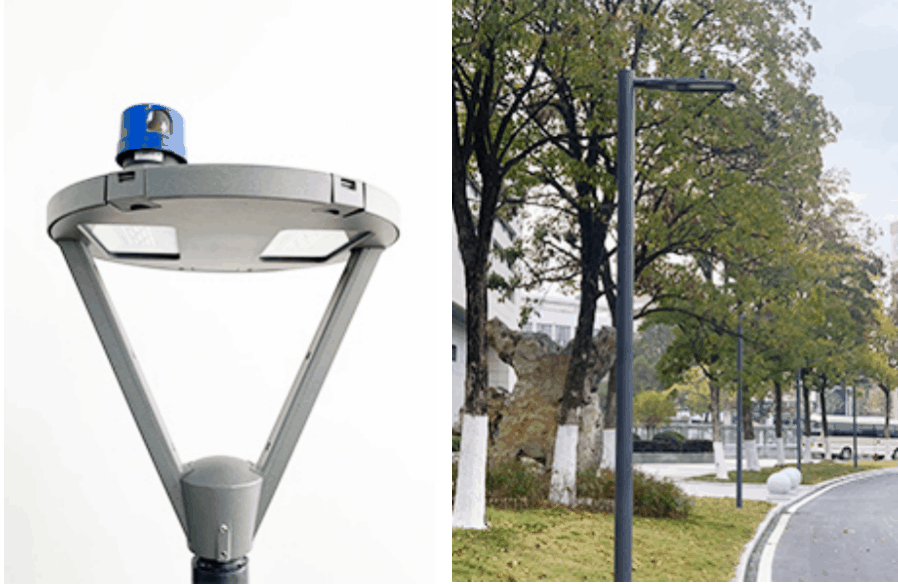
Escolhendo o JL-246CG Oferece um módulo que unifica sensoriamento, dimerização, proteção e conectividade em um único pacote. Ele detecta a luz ambiente, suporta dimerização de 0 a 10 V, protege contra picos de energia e se conecta a sistemas em nuvem — sem a necessidade de componentes adicionais.
As principais vantagens incluem:
● Economias prolongadas
O controle automático de luminosidade e a função de dimerização reduzem o consumo de energia.
● Eficiência operacional
O monitoramento remoto reduz as verificações manuais e aumenta o tempo de atividade.
● Segurança aprimorada
A regulação da intensidade da luz e a comutação confiável evitam comportamentos erráticos.
● Escalabilidade
Compatível com sistemas de cidades inteligentes e futuras atualizações graças à compatibilidade com NEMA e nuvem.
Essa combinação faz o JL-246CG controle de iluminação Uma excelente opção para projetos de iluminação urbana inteligente. Oferece um sólido retorno sobre o investimento (ROI), reduz custos de energia e manutenção e também é compatível com estratégias modernas de iluminação em rede.
Conclusão
O JL-246CG demonstra como o fotocontrole inteligente evoluiu além da simples comutação. Ele combina sensores e conectividade em um único módulo confiável. Isso o torna ideal para projetos modernos de iluminação pública e cidades inteligentes. Para adquirir fotocontroladores Long-Join genuínos, Chi-Swear Destaca-se como um parceiro confiável.


 Portuguese
  English
  Spanish
  Russian
  Arabic
  Italian
  Japanese