OUTLINE
- Introdução
- What Do Dusk-to-Dawn Photocells Actually Do?
- How Much Energy Does a Traditional HID Lamp Consume Without a Photocell?
- What Happens After Installing a JL-205C Photocell?
- What Do the Numbers Look Like Side by Side?
- What Next?
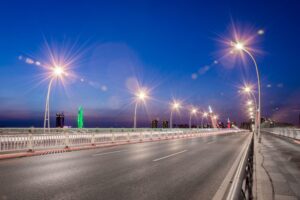
Street lighting accounts for roughly 25–30% of total municipal electricity consumption in many cities. Along with other urban lighting systems, it becomes essential to save as much energy as you can.
Seeing as these outdoor lights are important, the solution is to ensure that they are only turned on when necessary.
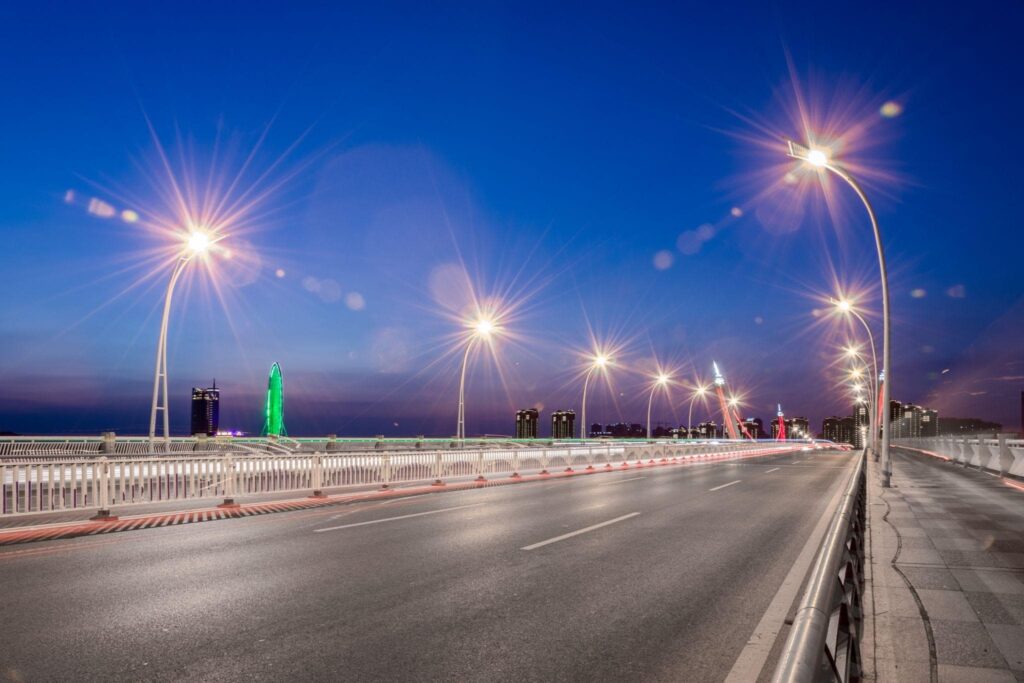
This can be achieved through intelligent lighting, which uses dusk-to-dawn photocells to not only make sure that the lighting system switches on at dusk and off at dawn, but also manages the lighting switch based on natural light levels.
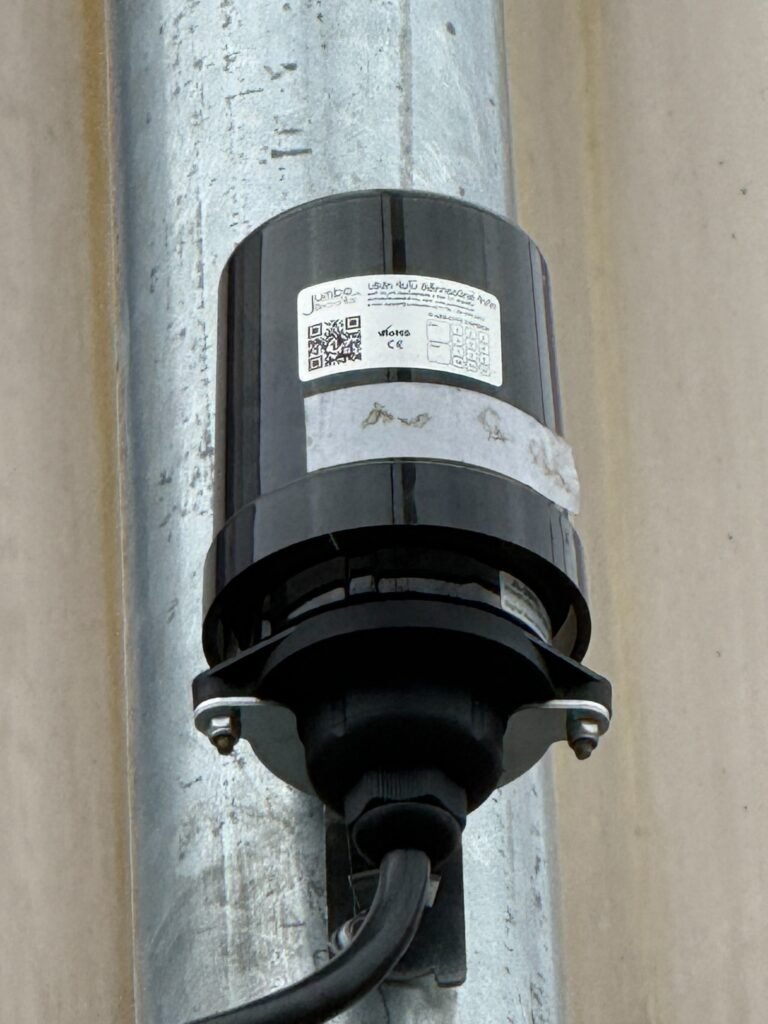
A top photocell sensor option for many outdoor street lights is Long-Join’s JL-205C photocell, with lots of use cases for modern-day lighting systems. I’ll be using that as today’s case study.
What Do Dusk-to-Dawn Photocells Actually Do?
A dusk-to-dawn photocell is not just a fixed timer that is set once and goes on and off at the same time daily. If so, it won’t be accurate for daylight shifts when the seasons change.
These photocell sensors detect the actual light environment every day and use this information to automatically switch connected lamps on when ambient light drops at dusk and off when it rises at dawn.
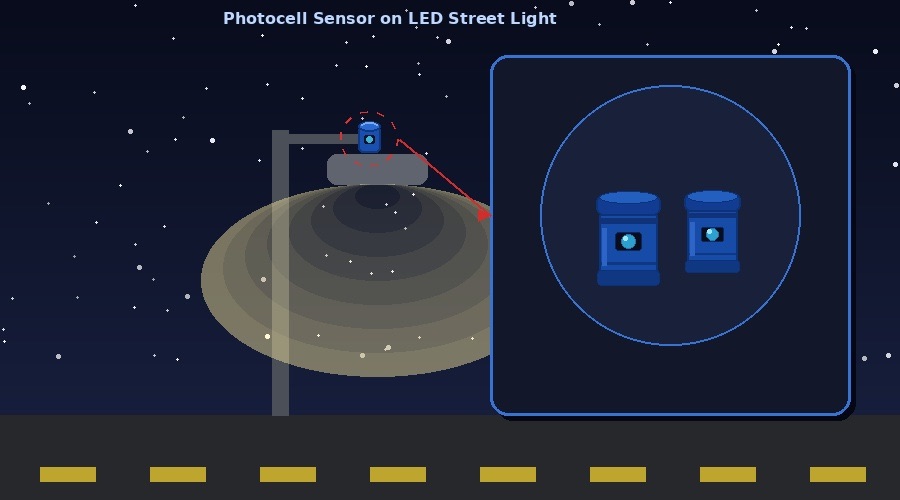
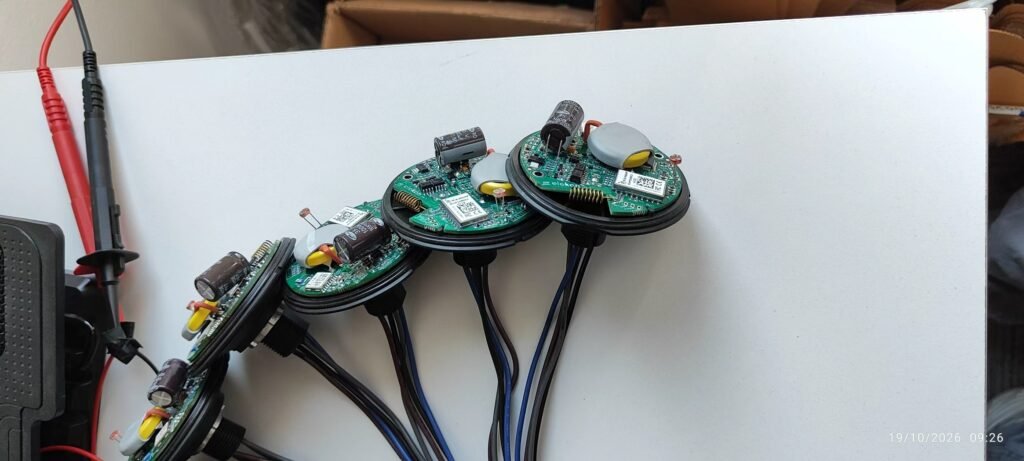
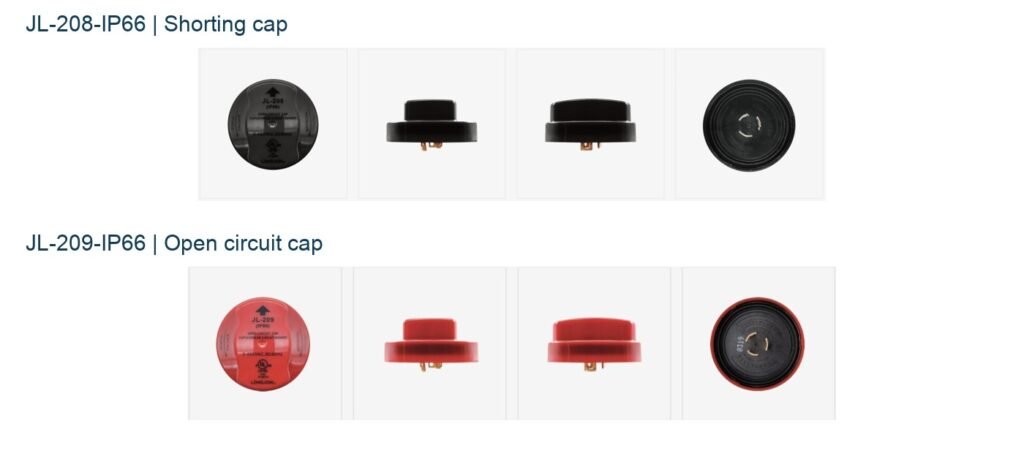
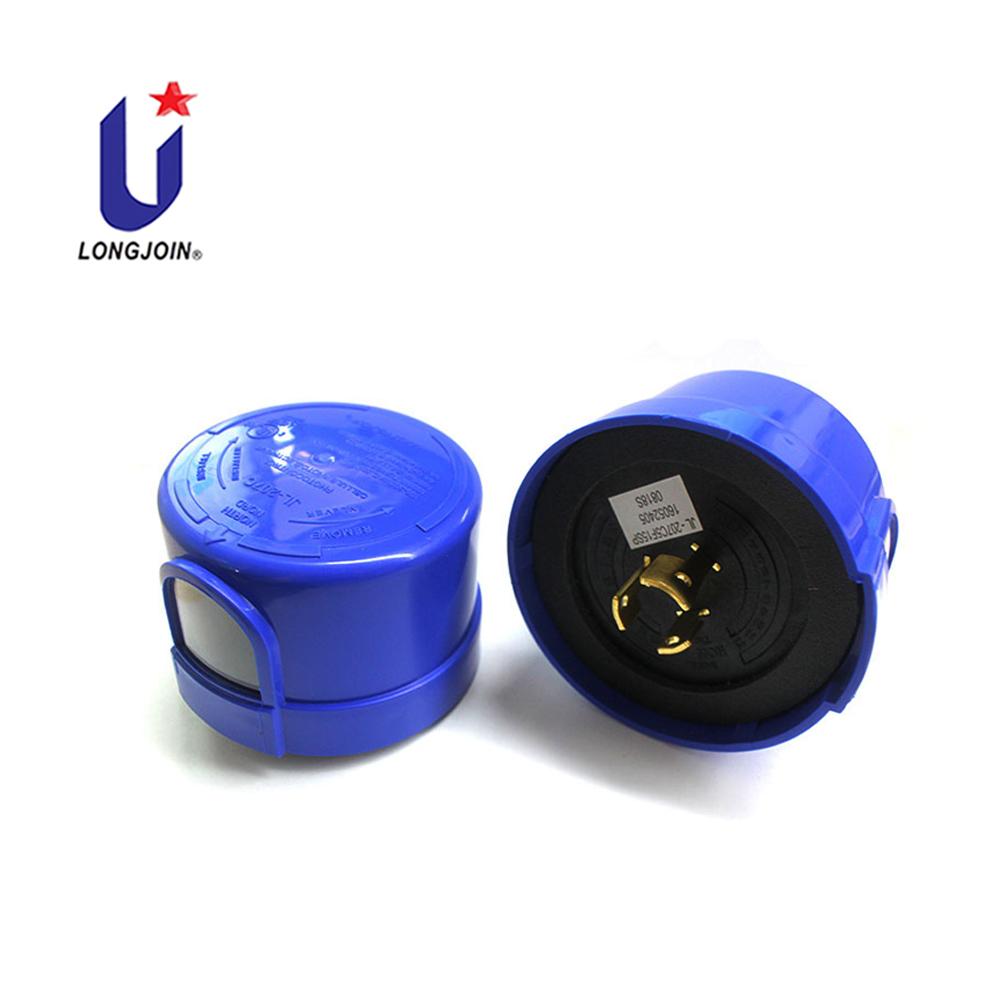
O JL-205C is a twist-lock phototransistor-based photocell with a photocell sensor that does this type of detection accurately. Here are some key features of the JL-205C:
- Wide voltage compatibility (applicable range 105–305VAC)
- Efficient time delay (3–20 seconds)
- High protection level (MOV built-in)
- Fail safe (Fail on fail mode)
- Low power consumption (1.5VA max)
The 1.5VA power consumption of the photocell itself is negligible. The energy savings it creates by precisely controlling when the connected lamp operates are not.
How Much Energy Does a Traditional HID Lamp Consume Without a Photocell?
It is easier to make more sense of the energy-saving capabilities of dusk-to-dawn photocells by taking a look at the energy consumption of traditional HID (High-Intensity Discharge) lamps without photocell sensors.
HID lamps are still widely used in iluminação pública, and without a photocell, they consume energy due to their “continuous operation” mechanism, which ensures a nonstop action.
For example, a 1,000W HID lamp using continuous operation without any automatic light control draws:
- Daily: 1,000W × 24 hours = 24 kWh/day
- Annual: 24 kWh × 365 days = 8,760 kWh/year
The energy consumption is sometimes reduced by using fixed timers, but this creates a new problem of seasonal changes, leading to lamps running during early morning daylight or switches on before it is actually dark.
What Happens After Installing a JL-205C Photocell?
With a JL-205C photocell installed, any outdoor light will operate only when ambient light has actually dropped below the switching threshold. Leading to both energy-saving and seasonal daylight adjustment.
The average annual dark hours across a typical mid-latitude city (accounting for longer nights in winter and shorter nights in summer) runs to approximately 12 hours per day. A photocell switching on that basis reduces consumption significantly
With a JL-205C photocell controller installed, a 1,000W HID lamp will draw:
- Daily: 1,000W × 12 hours = 12 kWh/day
- Annual: 12 kWh × 365 days = 4,380 kWh/year
This results in a 50% reduction in energy consumption, and sometimes the savings are even greater, especially for systems where the lights were previously running for about 18 hours on a loose fixed timer, or in cities where electricity costs are high.
What Do the Numbers Look Like Side by Side?
The comparison below shows simulated annual energy consumption for 1,000W and 1,500W HID lamps operating without control versus with Long-Join JL-205C photocell switching, based on 12-hour average nightly operation.
| Item | Without Photocell (kWh/year) | With Long-Join JL-205C (kWh/year) | Economia de energia |
| 1,000W HID lamp (24h baseline) | 8,760 | 4,380 | ~50% |
| 1,500W HID lamp (24h baseline) | 13,140 | 6,570 | ~50% |
| 1,000W HID lamp (16h timer baseline) | 5,840 | 4,380 | ~25% |
| 1,500W HID lamp (16h timer baseline) | 8,760 | 6,570 | ~25% |
Note: These are simulated values. Actual savings vary depending on several factors such as location, baseline operating hours, season, and local electricity tariffs. Regardless, the JL-205C ensures the light only operates during genuine dark periods, which eliminates the timer drift that causes wasted consumption in fixed-schedule systems.
What Next?
Urban lighting electrical energy waste is a problem that can be easily fixed with a dusk-to-dawn photocell. They can save up to 50% of the energy consumed by traditional lights, and reliable options, such as Long-Join’s JL-205C, are available on Chi-Swear’s website for purchase, along with installation tips.