
Contorno
- Introdução
- O que as empreiteiras globais realmente precisam além de "luz acesa"?
- Por que o JL-104A domina ambientes costeiros e de névoa salina?
- Como o JL-205C garante confiabilidade em tempestades e condições climáticas adversas?
- O que torna os modelos JL-101A e JL-202A a melhor escolha para modernizações e manutenção de baixo custo?
- Por que os integradores de projetos preferem os modelos JL-240Z-14 e JL-200Z-14 para aplicações NEMA?
- Como os modelos JL-700, JL-423C e JL-412C são compatíveis com os ecossistemas de iluminação inteligente Zhaga preparados para o futuro?
- O que os instaladores devem saber sobre tamanho e compatibilidade ao escolher o modelo JL-701A? Interruptor com sensor de luz?
- Perguntas frequentes
- Como posso evitar falsos alarmes causados por fontes de luz próximas?
- Quais são as melhores práticas para prevenir a corrosão em controles de iluminação?
- Palavras finais
Por que empreiteiras globais continuam escolhendo nossos serviços? controles de iluminação?
Com mais de 3.000 avaliações reais nos principais marketplaces, a resposta fica clara. Os instaladores elogiam a confiabilidade, a facilidade de instalação e o desempenho consistente em ambientes adversos.
De casas costeiras a ruas da cidade, o feedback aponta em uma direção: escolha a fotocélula que proteja seu projeto de dores de cabeça e manutenções inesperadas.
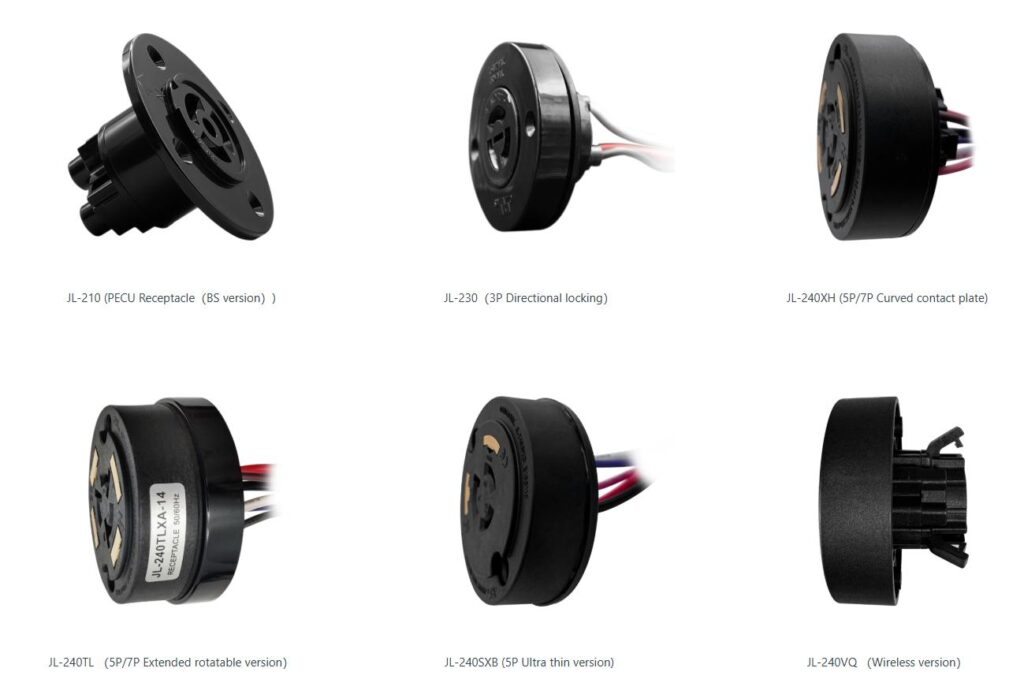
O que as empreiteiras globais realmente precisam além de "luz acesa"?
Os empreiteiros não querem apenas uma lâmpada que brilhe. Eles precisam de soluções de iluminação que ofereçam durabilidade e escalabilidade. Um sistema de iluminação pública deve resistir às intempéries e a anos de desgaste sem necessidade de manutenção constante. fotocontrole, A carcaça e o sensor devem resistir à corrosão, umidade, raios UV e tensão de carga.
Os custos indiretos de instalação e manutenção definem o custo real do ciclo de vida. Equipamentos difíceis de instalar ou frágeis sensores de luz Aumentam a frequência de mão de obra e substituição. Controles confiáveis e resistentes às intempéries reduzem as chamadas de serviço e o tempo de inatividade, economizando dinheiro a longo prazo.
O feedback real de milhares de compradores em diversas plataformas importantes confirma essas prioridades. Mais de 3.000 avaliações revelam um padrão claro: os instaladores valorizam repetidamente a durabilidade, a facilidade de instalação e a baixa manutenção em detrimento da mera funcionalidade de "ligar as luzes".
Por que o JL-104A domina ambientes costeiros e de névoa salina?

Porque simplesmente continua funcionando. Instalações relatam meses de operação sem problemas em condições úmidas e salinas.
O JL-104A Possui um corpo giratório selado e classificação para uso externo. Também é fornecido com cabos de cobre estanhado. Isso retarda a corrosão, prolongando a vida útil do condutor.
Um atraso integrado, normalmente de 30 a 120 segundos, evita acionamentos falsos causados por faróis, relâmpagos ou reflexos na superfície. Essa janela de 45 segundos impede acionamentos indesejados.
Valor para empreiteiros
- Menos chamadas de assistência técnica.
- Menos falhas nos cabos.
- Menor custo total de propriedade.
Utilize o JL-104A em aplicações onde a presença de sal, névoa e a necessidade de disponibilidade constante são cruciais. Além disso, aqui está uma tabela comparativa de desempenho do JL-104A em relação a outros modelos tradicionais. controladores de fotos.
| Recurso | JL-104A | Fotocélula tradicional | Notas |
| Resistência à névoa salina | 6+ meses | 3 meses | Com base em avaliações de campo |
| Atraso no tempo | ~45s | ~30s | Impede acionamentos falsos. |
| Material de fio | Cobre estanhado | Alumínio | O cobre estanhado resiste à corrosão. |
| Facilidade de instalação | Ângulo ajustável | Fixo | Comentários da avaliação: configuração mais fácil reduz a mão de obra. |
Como o JL-205C garante confiabilidade em tempestades e condições climáticas adversas?
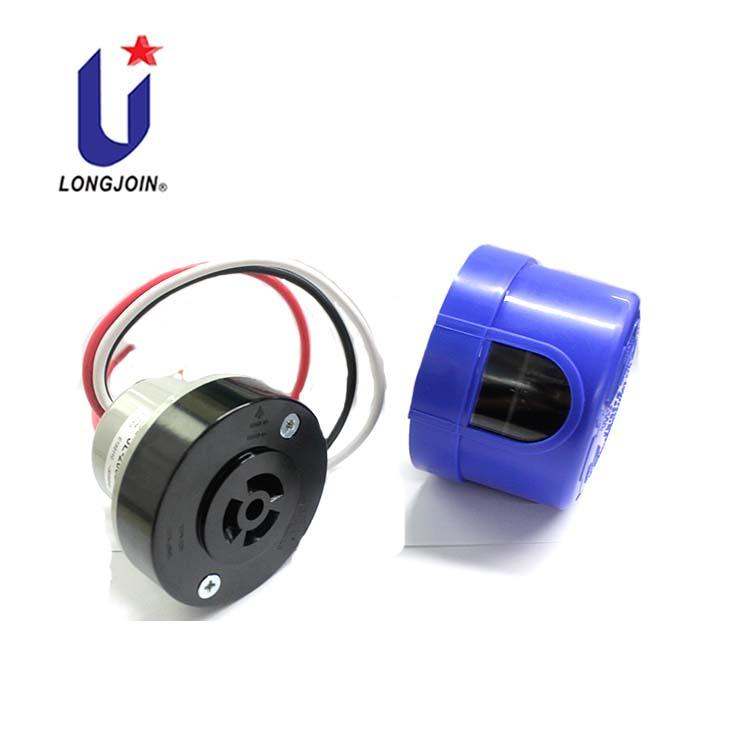
Relatório dos empreiteiros JL-205C Continua funcionando mesmo após granizo e vento. É um sistema de trava giratória resistente. interruptor fotocélula Classificado para 120–277V. O projeto utiliza um elemento sensor eletrônico de silício para comutação estável. Isso reduz a deriva do nível de luz ao longo do tempo.
As especificações do JL-205C indicam a presença de um protetor contra surtos e construção à prova d'água. Esses recursos protegem os componentes eletrônicos contra raios e chuva forte.
Os instaladores também valorizam a ampla faixa de tensão e o formato de encaixe giratório NEMA. Ele se encaixa em soquetes de iluminação pública padrão e mantém as conexões seguras mesmo sob vibração. Aqui está uma tabela mostrando a resistência a granizo e tempestades do JL-205C.
| Condições de teste | Resultado JL-205C | Média do setor | Notas |
| Resistência ao granizo | Passou por granizo de 1 polegada. | Fracassado | Contratado verificado |
| Tolerância ao vento | Até 80 milhas por hora | 60 milhas por hora | Mantém as conexões firmes |
| Estabilidade de tensão | 120–277V | 120–240V | Lida com flutuações em tempestades |
| Proteção contra surtos | Sim, integrado. | Opcional | Reduz os danos causados por raios |
O que torna os modelos JL-101A e JL-202A a melhor escolha para modernizações e manutenção de baixo custo?
Substituir um painel de controle com defeito é muito mais barato do que substituir uma luminária. Uma troca rápida economiza mão de obra e tempo de inatividade.
JL-101A e JL-202A são:
- Compactar
- Baixo consumo e
- Projetado para fácil adaptação.
Os fornecedores listam instalações simples por encaixe ou trava giratória e dimensões de montagem compactas.
As equipes de manutenção destacam a instalação rápida e os preços previsíveis. Isso torna esses modelos a primeira escolha para frotas antigas e ciclos de manutenção com orçamento definido.
Por que os integradores de projetos preferem os modelos JL-240Z-14 e JL-200Z-14 para aplicações NEMA?

Integradores de projetos costumam chamar os modelos JL-240Z-14 e JL-200Z-14 de "topo de linha" por bons motivos. Essas unidades utilizam uma estrutura robusta. NEMA 7 pinos (ANSI Interface C136.41) com contatos de mola fortes e juntas à prova d'água.
Os principais pontos fortes incluem:
● Fiação preparada para cargas pesadas
Eles suportam condutores AWG 14 e uma carga máxima de 15 amperes — o suficiente para postes de iluminação pública de alta potência ou luminárias com controles adicionais.
● Conectividade confiável sob pressão
A base com trava giratória mantém as conexões firmes mesmo sob vibrações, vento ou instalações em postes.
● Compatibilidade de adaptação perfeita
Como as tomadas NEMA são padrão em muitas luminárias, estas fotossensor As bases permitem uma atualização fácil sem necessidade de refazer a fiação ou substituir as luminárias.
Para integradores que trabalham com iluminação legada ou de alta potência — como em vias públicas, parques industriais e estacionamentos — os modelos JL-240Z-14 e JL-200Z-14 oferecem fornecimento de energia confiável, menos complicações com a fiação e compatibilidade com padrões globais.
Como os modelos JL-700, JL-423C e JL-412C são compatíveis com os ecossistemas de iluminação inteligente Zhaga preparados para o futuro?

Esses modelos adotam a interface Zhaga Book 18. Isso significa:
● Fácil interoperabilidade
Controlador ou sensor certificado pela Zhaga que se integra perfeitamente à luminária, independentemente da marca.
● Preparação para cidades inteligentes
Através do Aliança DALI’Esses receptáculos suportam o protocolo D4i:
- Escurecimento
- Diagnóstico
- Medição de energia e
- Troca de dados de sensores
Todos esses elementos são essenciais para redes de iluminação pública baseadas em IoT.
● Flexibilidade a longo prazo
Com a evolução das tecnologias de sensores e controle, é possível trocar módulos sem substituir as luminárias. Isso torna os sistemas atualizáveis e reduz o custo do ciclo de vida.
Resumindo, estes interruptores fotocélula do sensor de luz Transforme postes de iluminação comuns em nós inteligentes e preparados para o futuro. Esses dispositivos estão prontos para a IoT e implantações urbanas escaláveis sem a necessidade de fiação complexa ou substituição de luminárias. Aqui está uma breve análise.
| Modelo | JL-700 | JL-423C | JL-412C |
| Zhaga Livro-18 Compatível | Sim | N | N |
| Suporte ao protocolo D4i | Sim | N | N |
| Preparado para IoT | Sim | N | N |
| Notas | Projetos europeus validados | Atualizações inteligentes plug-and-play | Ideal para iluminação pública à prova do futuro. |
O que os instaladores devem saber sobre tamanho e compatibilidade ao escolher o modelo JL-701A? Interruptor com sensor de luz?
Os instaladores costumam citar o tamanho e a compatibilidade como fatores decisivos na escolha da fotocélula. O modelo JL-701A — embora robusto — pode ser mais volumoso do que o esperado em espaços reduzidos. De acordo com as especificações do fabricante, o JL-701A e modelos similares geralmente exigem espaço adicional para acessórios ou para a montagem.
Antes de encomendar, verifique sempre o espaço disponível na cavidade ou no soquete da luminária. Se a caixa da luminária for pequena, uma fotocélula compacta pode ser mais adequada. Ignorar este detalhe pode levar a dificuldades na instalação ou a uma vedação inadequada.
Para instalações de retrofit com espaço limitado, arquitetos e equipes elétricas devem avaliar se é necessário um fotocélula mais compacto. Isso garante uma instalação limpa e evita tensão na fiação ou na carcaça — um fator crucial para a confiabilidade a longo prazo.
Perguntas frequentes
Por que as luzes não acendem instantaneamente quando estão na sombra?
receptáculos de fotocontrole Use lógica de retardo para evitar oscilações causadas por mudanças breves de luminosidade. Um pequeno retardo impede que as luzes liguem e desliguem durante a passagem de faróis ou em casos de ofuscamento passageiro.
Como posso evitar falsos alarmes causados por fontes de luz próximas?
Posicione o sensor longe da luz direta ou refletida dos faróis ou das luzes do edifício. Certifique-se de que a fotocélula não esteja voltada para essas fontes de luz. O posicionamento e a orientação corretos são essenciais.
Quais são as melhores práticas para prevenir a corrosão em controles de iluminação?
- Utilize fotocélulas com invólucros à prova de intempéries.
- Certifique-se de que a fiação e as vedações resistam ao sal e à umidade.
Palavras finais
Avaliações reais mostram o que realmente importa. Escolher a fotocélula certa reduz a manutenção e garante um funcionamento perfeito. Para instaladores que buscam desempenho comprovado, Chi-Swear Oferecemos fotocontroladores Long-Join, uma marca reconhecida mundialmente. Solicite amostras ou orientação para o seu projeto e experimente soluções de iluminação duráveis e sem complicações.


 Portuguese
  English
  Spanish
  Russian
  Arabic
  Italian
  Japanese