
Outline
- Introduction
- Why Is There a “Hidden Quality Line” in NEMA Photocell Housings?
- Why Do Cosmetic Defects Matter in Street Light Photocontrol Acceptance?
- What Makes Cosmetic Inspection Objective Instead of Subjective?
- How Should Controlled Visual Inspection Be Defined for Light Sensor Housing?
- Why Is Surface Zoning Critical in Cosmetic Inspection Standards?
- What Scratch Limits Are Acceptable in Zone A, B, and C Areas?
- How Do These Cosmetic Rules Protect IP Rating and Assembly Integrity?
- How Should AQL Be Applied to Cosmetic Inspection of NEMA Photocells?
- How Can Manufacturers Prevent Cosmetic Defects Before IQC and OQC?
- What Does This Standard Deliver to Procurement and EPC Teams?
- How Can Buyers Address Common Concerns About Stricter Cosmetic Rules?
- How Can This Cosmetic Standard Be Written into an SOW or RFQ?
- The Bottom Line
Why does a fully functional NEMA lighting control still get rejected on site? Often, it is not performance. It is an appearance.
A small scratch on a photocell housing can raise questions about quality and reliability. In municipal and utility projects, perception carries weight. Without a clear scratch acceptance standard, inspections become subjective.
That subjectivity increases risk across IQC, OQC, and final acceptance. This article explains how a defined cosmetic inspection line protects street light photocontrols and keeps approvals moving.
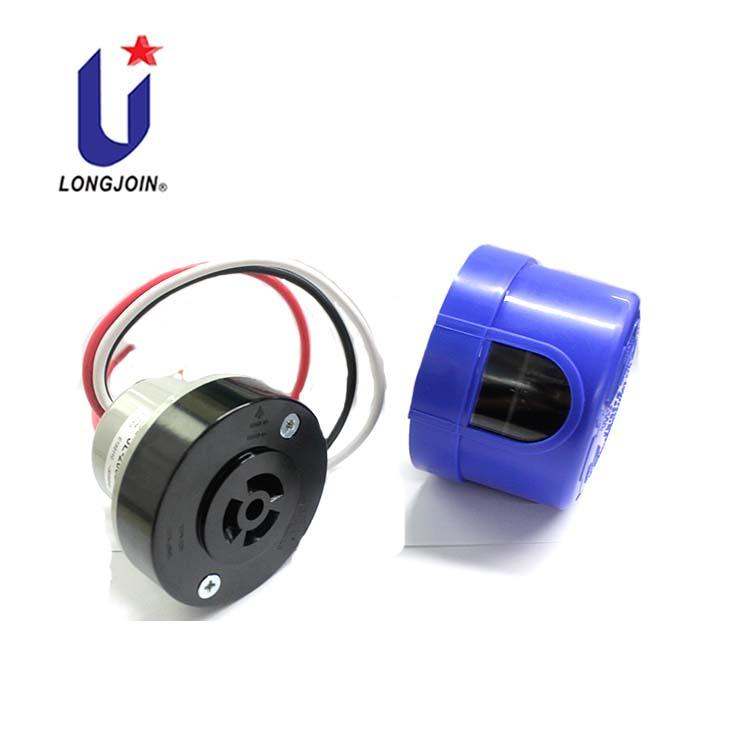
Why Is There a “Hidden Quality Line” in NEMA Photocell Housings?
What buyers call a cosmetic scratch is often treated very differently in inspection rooms. A light scuff might feel trivial to a procurement team. But auditors judge defects against strict standards. Even small marks on a photocell housing can raise red flags in IQC and OQC.
Scratches on key surfaces can suggest poor handling and bad materials. Those issues escalate into Non-Conformance Reports or outright lot rejection. In outdoor street lighting, looks matter because defects can signal deeper integrity problems.
Street light photocontrols often fail acceptance on appearance, not function, because subjective visuals lack clear acceptance criteria—creating costly disputes.
Why Do Cosmetic Defects Matter in Street Light Photocontrol Acceptance?
Cosmetic defects matter because they shape perceived quality in bids and tenders. Buyers and utilities expect products to look flawless on first glance. A scratched photosensor housing suggests poor manufacturing or handling, even if the photocell works fine.
Visual flaws often trigger questions about process rigor and mean more inspections or rejection during FAT, IQC, OQC, or field handover.
Surface defects also affect brand reputation and trust between suppliers and project teams. A unit that looks damaged may make stakeholders doubt its durability or sealing integrity.
This increases project risk and sparks non-conformance reports. Clear cosmetic standards help remove ambiguity in acceptance decisions, reducing disputes and protecting perceived quality.
Here is a table explaining the inspection stage vs cosmetic risk exposure.
| Inspection Stage | Who Inspects | Typical Cosmetic Focus | Risk if Missed |
| FAT | Supplier + buyer | Overall appearance, markings | Disputes before shipment |
| IQC | Buyer QA team | Zone A and window surfaces | Line stoppage |
| OQC | Supplier QA | Packaging and transport damage | Customer complaints |
| Site Acceptance | EPC / Utility | Visual integrity post-install | Rejection or replacement |
What Makes Cosmetic Inspection Objective Instead of Subjective?
Subjective visual judgment—like “looks fine to me”—creates audit disputes because human perception varies widely. Different lighting or inspector fatigue can change decisions.
Visual inspection programs reduce this variability by enforcing controlled conditions:
- Set lighting levels
- Specified viewing distance
- Fixed inspection time, and
- Documented defect criteria
Standardized inspection conditions ensure every part is judged the same way every time. Controlled lighting and clean surfaces help detect scratches consistently, reducing misclassification.
When procedures are repeatable and documented, inspectors treat identical defects equally. That consistency builds trust in IQC/OQC reports and prevents disagreements between suppliers and buyers.
Structured procedures—not opinions—define what passes and what fails, lowering bias and strengthening acceptance confidence. Here is a table outlining visual inspection that affects pass/fail decisions.
| Inspection Variable | Uncontrolled Outcome | Controlled Outcome |
| Lighting intensity | Missed or exaggerated defects | Consistent visibility |
| Viewing distance | Over-scrutiny or oversight | Uniform judgment |
| Inspection time | Fatigue-driven bias | Stable decisions |
| Surface cleanliness | False defect calls | Accurate classification |
| Inspector rotation | Inconsistent standards | Repeatable results |
How Should Controlled Visual Inspection Be Defined for Light Sensor Housing?

Inspection must be repeatable and measurable to catch real cosmetic flaws. Industry practice uses standard lighting. This is around 1,000 ± 200 lux for detailed visual checks of molded parts.
This level highlights fine scratches without glare and is referenced in visual quality standards for plastic components.
Inspectors should stand at a fixed distance and view surfaces at consistent angles to avoid shadows hiding defects. The optimum distance and angle are:
- 30–45 cm
- 45°
A maximum time per surface prevents over-scrutiny and drift in judgment. Before judging, the housing must be cleaned of dust and fingerprints since contaminants mask or mimic scratches.
Magnification is only allowed to confirm size or depth after a defect is seen with the naked eye. It should never be used to search for new defects during the baseline inspection.
Why Is Surface Zoning Critical in Cosmetic Inspection Standards?
Surface zoning creates clarity in cosmetic expectations. In a NEMA photocell lighting sensor housing, surfaces are grouped by visibility and importance.
- Zone A includes critical, visible faces like tops, brand/logo areas, and transparent windows. These get the tightest limits because buyers see them first.
- Zone B covers secondary faces that are less obvious at a glance but still influence look-and-feel.
- Zone C includes hidden or assembly-interface areas where minor blemishes matter less if they do not affect sealing or fit.
Zoning eliminates negotiation during IQC and OQC because inspectors evaluate like against like. It prevents arguments like “this scratch doesn’t matter” by giving each surface a predefined tolerance bucket.
In practice, a fine hairline may be acceptable in Zone B but denied in Zone A, turning subjective opinions into consistent decisions. Zoning supports audit traceability and reduces disputes between suppliers and buyers.
What Scratch Limits Are Acceptable in Zone A, B, and C Areas?
Zone A: Primary Appearance Surfaces
This is what the buyer sees first and includes the top face, upper sidewall, markings, and sensor windows. Any fine or obvious scratch here becomes a major defect. Thus, tolerance is intentionally strict, including:
- Only one hairline scratch is allowed
- Maximum length is ≤ 5 mm
- No crossing, whitening, or visible depth
- Sensor windows allow even less, since optics are involved
Zone B: Secondary Visible Surfaces
Zone B covers less prominent faces. Controlled allowances exist, but limits still apply that include:
- Up to three hairlines, each ≤ 10 mm
- Scratches must not cross or cluster
- Slight scuffing is acceptable if visual integrity remains
Zone C: Hidden and Assembly Areas
This one is function-driven, not appearance-driven. Cosmetic marks are acceptable if not visible after assembly. No damage to seals, threads, or latch features.
Note
Cracks, whitening, and burrs are rejected everywhere. They indicate material stress or process failure.
How Do These Cosmetic Rules Protect IP Rating and Assembly Integrity?
Scratches and IP Rating Are Linked
Scratches near sealing surfaces are not cosmetic issues. They can interrupt gasket compression. That risks water and dust ingress. Even shallow marks can lower the effective IP rating.
Latch, Thread, and Torque Areas Are Critical
These zones control mechanical integrity. Scratches can reduce torque consistency. Burrs can damage O-rings during assembly. Whitening suggests polymer stress and early failure. Any defect here is treated as critical, not cosmetic.
Supporting Long-Term UL773 Compliance
UL773 requires stable mechanical and environmental performance. Cosmetic inspection blocks hidden risks before shipment. By rejecting defects that affect fit or sealing, the product maintains performance over time. Good cosmetics here protect safety, not just appearance.
How Should AQL Be Applied to Cosmetic Inspection of NEMA Photocells?
ISO 2859-1 Fits Cosmetic Inspection
ISO certification is widely used for appearance checks. It supports attribute-based inspection, which suits cosmetic defects. Sampling is controlled, auditable, and repeatable. This makes it practical for high-volume NEMA outdoor photocell light sensor production.
Defect Classification Matters
Clear grading prevents arguments. Each class discussed below reflects real risk, not opinion.
● Critical (AQL 0)
Cracks, window damage, seal or thread defects. This blocks a functional or safety risk.
● Major (AQL 0.65)
Any Zone-A violation or obvious scratches. This protects the visible quality.
● Minor (AQL 1.5)
Low-impact Zone-B or Zone-C cosmetics within limits. This helps avoid over-rejecting harmless marks.
How Can Manufacturers Prevent Cosmetic Defects Before IQC and OQC?
Most cosmetic damage happens post-molding. Operator discipline is critical. Uncontrolled stacking and hand contact cause early scratches.
Effective prevention is simple and repeatable. Here are some important precautions in this regard. These steps reduce cosmetic NCRs significantly.
- Individual tray separation for housings
- Gloves at all handling stations
- Temporary protective films on Zone-A faces
Furthermore, to minimize transport damages, ensure:
- PE bags for each unit
- Honeycomb or EPE separators
- No free movement inside cartons
At last comes the polishing. It hides defects temporarily. It alters surface gloss and haze. However, on PC materials, it weakens long-term stability. Also, cosmetic repair creates future failures, not quality.
Furthermore, here is a table for preventive actions that can help eliminate defects.
| Preventive Action | Defects Reduced | Where It Helps Most |
| Tray separation | Random scratches | Post-molding handling |
| Protective films | Window abrasion | Assembly & packing |
| Glove use | Finger scuffs, oils | Manual operations |
| Immobilized cartons | Transport scuffing | Shipping & logistics |
| Operator training | Mixed defect types | All inspection stages |
What Does This Standard Deliver to Procurement and EPC Teams?

A clear cosmetic standard directly reduces rejection rates at both incoming and outgoing inspection. When IQC and OQC teams follow the same visual limits, parts are judged consistently, and surprises disappear at site acceptance.
Audits also move faster because pass or fail decisions are no longer subjective. Inspectors rely on defined zones, lighting, and limits instead of personal judgment. Traceability improves as well.
Inspection records and retained limit samples support warranty claims and dispute resolution. Over time, with reduced reinspection and schedule delays across the supply chain, the total cost of quality is reduced.
How Can Buyers Address Common Concerns About Stricter Cosmetic Rules?
Stricter Zone A rules rarely slow delivery when manufacturers design for appearance and handle parts correctly. Textured finishes, controlled molding flow, and disciplined handling protect yield without affecting output speed.
Buyers can also define their own golden or limit samples, which then override default acceptance rules and align all inspections to a single visual reference.
Cosmetic control does not interfere with UL or IP certification. It strengthens them by blocking any defect that could compromise sealing, torque, or long-term enclosure integrity, ensuring performance remains stable after installation.
How Can This Cosmetic Standard Be Written into an SOW or RFQ?
A single, well-defined clause is often enough to enforce cosmetic quality. Overly detailed specifications create confusion, while a concise requirement clearly sets expectations.
During supplier qualification, auditors look for:
- Defined inspection conditions
- Zone-based limits
- AQL alignment
- Recorded inspection evidence
If these exist, acceptance is straightforward. This approach protects buyers by shifting cosmetic risk upstream, preventing subjective debates during acceptance, and enforcing quality without unnecessary micromanagement.
The Bottom Line
Clear cosmetic standards remove subjectivity and protect acceptance across every inspection stage. They reduce risk and ensure NEMA photocells perform and look reliable in the field. For projects that demand this level of control, Chi-Swear applies consistent cosmetic inspection to Long-Join photocontrollers, from handling to final shipment.



 English
  Spanish
  Russian
  Arabic
  Italian
  Japanese
  Portuguese