
Outline
- Introduction
- What Makes the 2024 UM-208 a Key Breakthrough in Long-Join’s UM Series?
- How Does UM-208’s Design Improve on Previous JL-208 Models?
- Which Technical Specifications Define the UM-208’s Performance?
- How Does UM-208 Compare to JL-208 in Real-World Performance?
- Which Global Markets Benefit Most from Using the UM-208?
- Why Is PBT Still the Right Base Material for UM-208’s Housing?
- How Does UM-208 Strengthen Long-Join’s Global Positioning in 2024?
- What Can Buyers Expect from UM-208 in Upcoming Smart Lighting Projects?
- Why UM-208 Is a Future-Ready Solution for Smart Lighting?
- The Bottom Line
Smart lighting is evolving fast. Cities and infrastructure projects need lighting controls that are smarter and easier to install. Long-Join understands the demand and responds with the new UM-208, a standout model in its updated UM Series.
This product focuses on real field performance, not just specs on paper. It’s engineered for global markets with different climates and installation habits.
It aims to help contractors and OEMs enter projects faster and at a lower cost. This article explores how the UM-208 achieves that balance and why it matters for 2024 smart lighting projects.

What Makes the 2024 UM-208 a Key Breakthrough in Long-Join’s UM Series?
Long-Join launched its UM Series in 2024 to answer market demand for rugged, cost-effective photocell switches that still meet real field usage needs. The UM-208 is a central model in this lineup.
It supports wide voltage (0–480V) and robust load handling. This makes it fit different lighting systems without redesign. The UM-208 also steps up protection with IP66-rated housing. This offers stronger resistance to dust and water than many legacy units.
Unlike older models aimed chiefly at basic switching, UM-208 focuses on field-ready reliability and installation simplicity. It uses an optimized press-type lid for easier mounting and service.
Its design cuts installation time and boosts operational confidence under varied conditions. Together, these factors make the UM-208 more than just an update — it’s a practical advance for global smart lighting projects.
| Model | UM-208 | JL-208 | Generic Local Unit |
| Lid Type | Press-Type Lid | Hand-Bar/Twist | Screw-Cap Lid |
| Avg. Installation Time (per unit) | 30–45 seconds | 30–45 seconds | 2–3 minutes |
| Required Tools | None | Manual Grip | Screwdriver |
| Skill Level Needed | Basic Technician | Intermediate Tech | Intermediate Tech |
How Does UM-208’s Design Improve on Previous JL-208 Models?
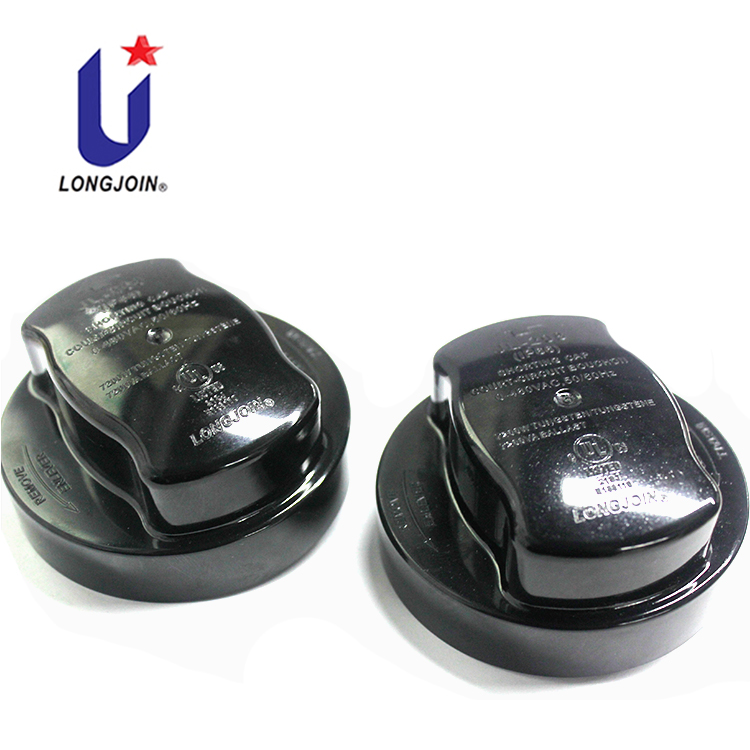
The UM-208 keeps core strengths of JL-208 shorting caps like ANSI C136.10 twist-lock compliance and outdoor readiness. However, it improves the design for modern use. Key upgrades include:
- Press-type lid for quicker on/off installation.
- Slimmed profile that reduces space on fixtures.
- Enhanced seal structure for stronger long-term weather resistance
What’s new vs. JL-208
- The UM-208 focuses on easy mounting and removal.
- JL-208 uses traditional hand-bar/twist grips, which can be slower.
- UM design reduces installer fatigue and mistakes.
- Improved structural balance boosts field reliability.
These refinements make UM-208 more adaptable for diverse markets and faster project execution without sacrificing ruggedness or standard compliance.
Which Technical Specifications Define the UM-208’s Performance?
The UM-208 photocell lighting sensor supports a wide voltage range (0–480 VAC) and standard lighting loads like 7200 W tungsten and 7200 VA ballasts — matching JL-208 capacity but on a more flexible platform.
It also delivers IP66 outdoor protection, meaning fully dust-tight and heavy-rain resistant performance once installed — a requirement for harsh climates and long life.
Core specs include:
- ANSI twist-lock compatible base (simple interface).
- UV-stabilized housing for UV and weather durability.
The design suits a range of target applications. This includes residential and commercial lighting systems where reliable automated switching is needed.
With strong ingress protection and broad voltage support, the UM-208 sits as a robust yet cost-effective choice in its product lineup.
| Fixture Category | Typical Voltage Range | Compatibility with UM-208 | Notes |
| Municipal Street Lighting | 120V / 240V / 277V | Supported | Most common grid standards |
| Highway & Industrial Lighting | 347V / 480V | Fully Supported | Broad voltage tolerance |
| Solar-Hybrid Poles | 12V–24V DC (Inverter) | With Controller Bridge | Requires compatible conversion |
| Legacy Magnetic Ballasts | 220V / 240V | Supported | The load capacity meets the requirement |
How Does UM-208 Compare to JL-208 in Real-World Performance?

When we put both products side by side, the differences show up clearly regarding protection and usability. Both support the same wide voltage range and ANSI twist-lock standard electrical base.
However, UM-208’s design emphasizes consistent IP66 protection out of the box, whereas JL-208 may offer mixed IP ratings depending on configuration (e.g., IP54/IP65/IP66) due to its traditional twist cap variants.
Key performance gaps include:
● Protection rating
UM-208’s unified IP66 focus gives higher dust/water resilience.
● Structure
Press-type lid on UM-208 is faster to handle than JL-208’s classic twist-lock grip.
● Field service
UM-208 installs and removes more quickly, reducing labor time.
In practice, this means better durability and lower total cost of ownership for new smart lighting projects. UM-208 is designed for 2026 deployment needs, where rapid installation and dependable long-term weather resistance matter most in varied environments.
Which Global Markets Benefit Most from Using the UM-208?
The UM-208 suits regions where outdoor photocell light sensor deployment must be simple, compliant, and affordable. Markets with less rigid immediate certification barriers allow faster introduction of new lighting control products.
Many countries in South America and Africa fit this pattern, where cost control and project speed are priorities.
Real-world examples
● South America
Rising urban lighting demand, varied climate stress, and value-driven buyers push for resilient, cost-effective photocell solutions like UM-208.
● Africa
Broad electrification and infrastructure build-outs reward products that handle humidity, rain, and heat without complex certification overhead.
● Russia
While the climate varies from temperate to severe cold, markets still value products that balance durability and price for wide-area lighting modernization.
UM-208 enables rapid deployment and scaling because its design emphasizes robustness and broad electrical compliance without the premium qualification steps required in highly regulated markets.
This is key where energy savings and automated dusk-to-dawn switching are rising priorities.
| Region | Certification Requirement Level | Key Decision Factors | UM-208 Fit Score (1-10) |
| South America | Moderate / Variable | Cost + Installation Speed | 9/10 |
| Africa | Low to Moderate | Durability + Simplicity | 8/10 |
| Russia / CIS | Medium | Climate Resistance + Pricing | 8.5/10 |
| Middle East | Medium to High | Heat Tolerance + IP Protection | 8/10 |
| Southeast Asia | Moderate | Humidity + Salt Air Performance | 9/10 |
Why Is PBT Still the Right Base Material for UM-208’s Housing?
This is because it delivers strength and stability that outdoor plastics alone can’t match.
Firstly, it boosts mechanical stiffness and high-load resistance. This means the housing resists breakage and deformation under stress.
PBT itself resists heat and moisture far better than basic plastics. UV stabilizers further slow the degradation when exposed to sunlight. This keeps the structure intact for extended periods.
In humid conditions, reinforced PBT resists moisture absorption and salt spray. That reduces corrosion and maintains performance over the years.
Other benefits include:
- Strong electrical insulation and dimensional stability.
- Low water uptake keeps parts tight in wet climates.
This mix of properties makes PBT a reliable choice for outdoor photocell housings.
How Does UM-208 Strengthen Long-Join’s Global Positioning in 2024?
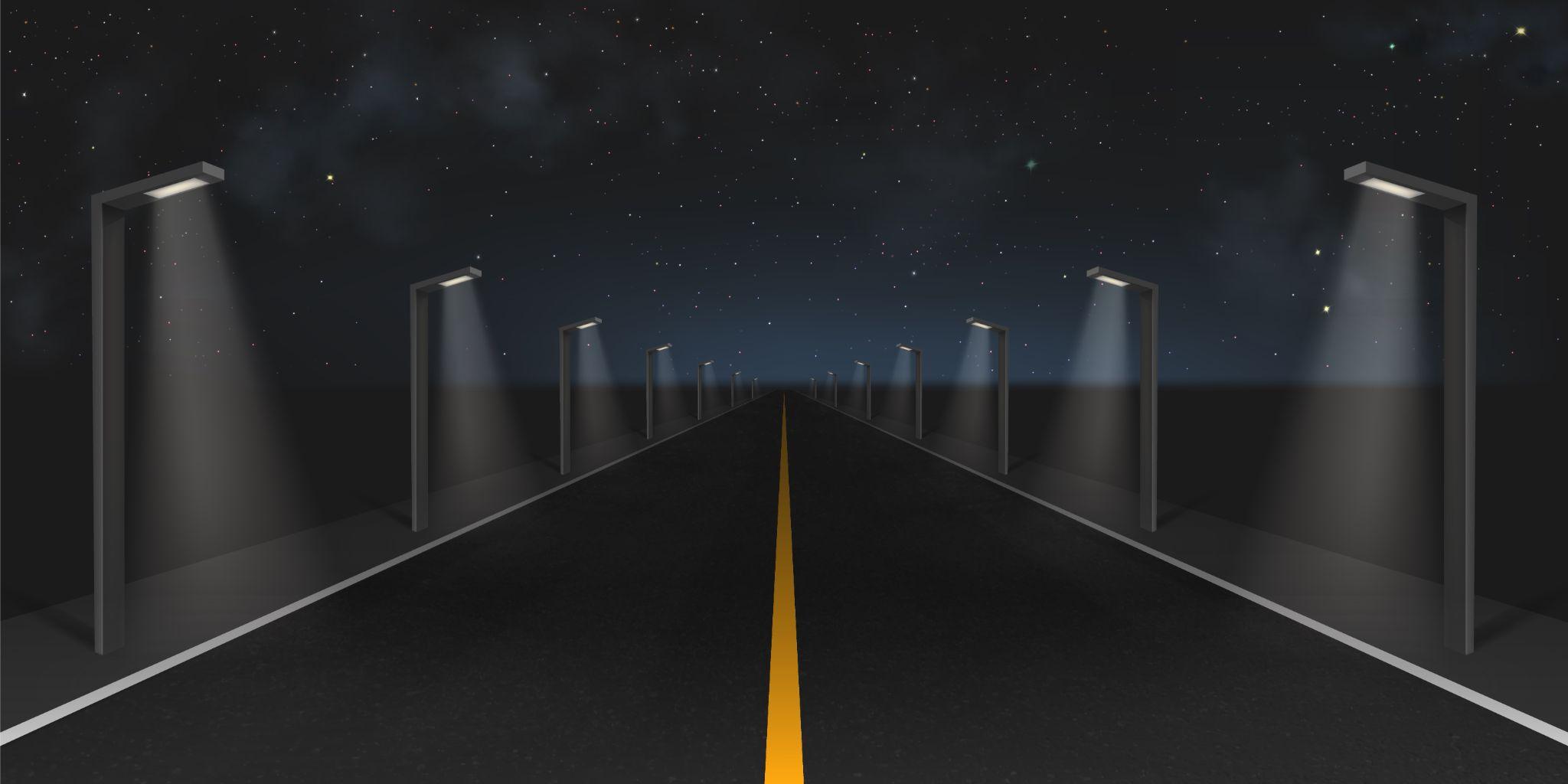
The UM-208 enhances Long-Join’s global strategy by bringing a product that works across diverse climates and infrastructure needs. Its robust build and broad electrical range make it suitable for every region without costly redesign.
This model balances durability and cost. That cost-to-performance edge opens doors in price-sensitive markets and large projects alike.
UM-208 also fits Long-Join’s future roadmap of smart lighting control products. Its design aligns with evolving standards for outdoor lighting controls and higher protection levels.
For distributors, lighting contractors, and OEMs, this means:
- Fewer returns and service calls.
- Broader market appeal.
- Faster approvals in diverse tenders.
Together, these benefits improve Long-Join’s competitiveness and global presence heading into 2025.
What Can Buyers Expect from UM-208 in Upcoming Smart Lighting Projects?
When deploying the UM-208, buyers get clear practical advantages from the start. It delivers dependable automated switching that’s suited for street lighting and urban environments.
Modern photo sensor benefits — like automatic light adaptation — reduce unnecessary run-time and cut energy use. Smart photocells can save up to 40% in energy costs compared to manual systems.
Expect easy installation and low upkeep. The press-type design and wide voltage compatibility reduce labor time and decrease service calls. Robust sealing cuts moisture or dust-related failures, easing maintenance planning and reducing field visits.
With fewer failures and adaptable deployment patterns, the UM-208 supports smoother project rollouts and longer service life. Manufacturers and municipalities aiming to integrate reliable controls will find this model a practical asset.
Overall, the UM-208 offers deployment ease, reduced maintenance burden, and strong lifecycle value — key factors in modern lighting integration projects where efficiency and uptime matter most.
Why UM-208 Is a Future-Ready Solution for Smart Lighting?
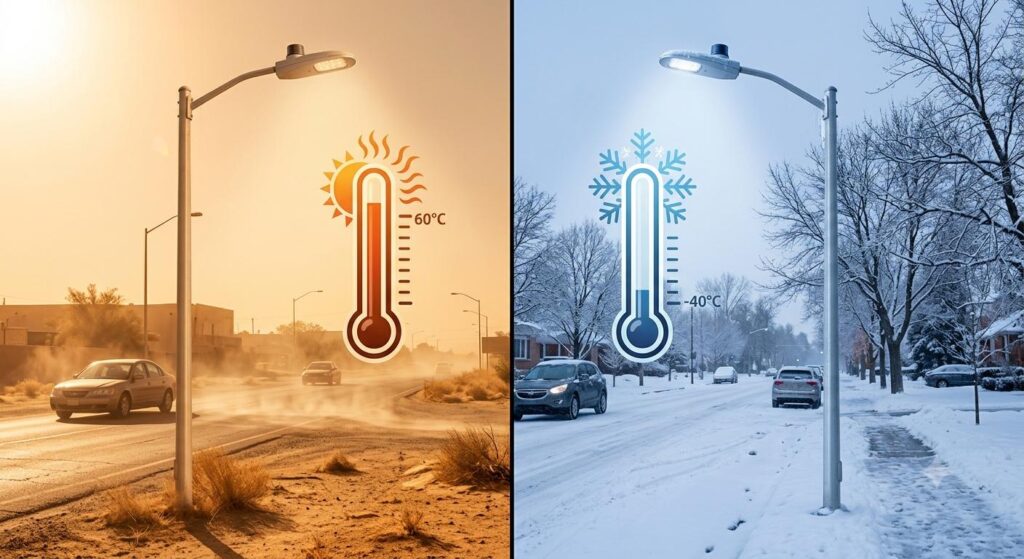
The UM-208 stands out because it blends smart performance with real-world resilience. Its design focuses on adaptability across climates and installation conditions — from humid tropical zones to temperate cities.
High ingress protection and wide electrical tolerance ensure consistent operation in diverse settings, aligning with rising industry standards for durable outdoor controls.
Material innovation, like reinforced housing, enhances lifecycle reliability. This means fewer field failures and extended service life. This is especially crucial for infrastructure projects with tight budgets and long payback expectations.
For global markets, the UM-208 is more than a photocell. It’s a building block for broader smart lighting ecosystems. Whatever your installation goals are, this model meets essential needs for robust automation and future upgradability.
For lighting projects in the near future, considering the UM-208 is a wise choice. It offers a blend of reliable performance and readiness for advanced applications.
It’s a practical choice that supports current demands while staying aligned with evolving smart city standards.
The Bottom Line
UM-208 proves that material discipline, smart design, and lifecycle engineering still matter. It delivers reliable performance across harsh climates and modern lighting demands. For buyers planning 2024 projects, Chi-Swear is a dependable partner for sourcing genuine Long-Join photocontrollers. Their technical support and consistent supply make project execution smoother.


 English
 Spanish
 Russian
 Arabic
 Italian
 Japanese
 Portuguese