
Which Light Control Is More Suitable for a Lighting Project: Dimming or DALI? Key Influencing Factors Analysis

Outline Smart lighting management is no longer just about turning lights on and off. It is about efficiency and smart management. But when planning a lighting project, one question often comes up: should you choose Dimming or DALI? At first glance, both adjust brightness. Yet their capabilities differ significantly. The right choice depends on multiple […]
How to Choose Between Dimming and DALI — The Best Application Solutions of Long Join Light Controllers in Lighting Projects
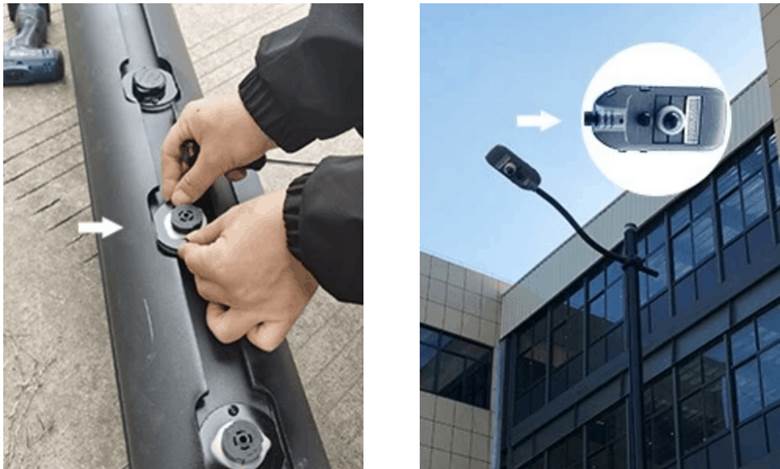
Outline Energy efficiency is no longer optional in modern lighting projects. It is a requirement. So how do you choose the right control strategy — traditional dimming or DALI? Both technologies reduce energy consumption. Both improve lighting performance. But they serve different project needs. Long Join offers lighting controllers that support both solutions. From cost-effective […]
Long-join Recommended Product Series for South Africa
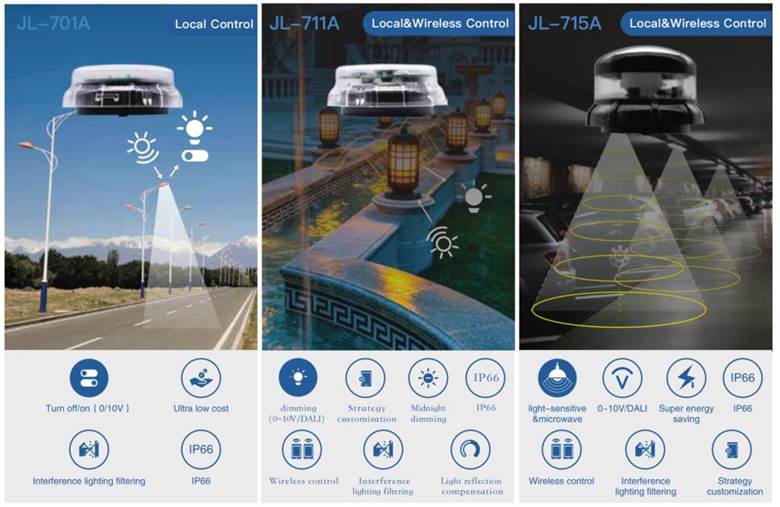
Outline South Africa’s lighting market is evolving fast. Energy efficiency is no longer optional. Smart photocontrol solutions are becoming a core demand across projects and retail channels. Distributors are looking for reliable products that balance performance, compliance, and cost. Long-join offers product series designed to meet these exact needs. This article highlights recommended models, their […]
Segmented Market Operation Strategy in the Middle East — Long-Join’s Blueprint for Distributor Growth

Outline The Middle East lighting market is changing fast. Smart cities, mega infrastructure, and energy reforms are reshaping demand. Distributors face both opportunity and pressure. They must choose the right products. They must also understand country-specific strategies. Long-join responds with a segmented market approach. High-end intelligent lighting controls target complex engineering projects. Cost-effective products support […]
Long-join’s Key Path to Helping Distributors Deepen Their Presence in the South American Market
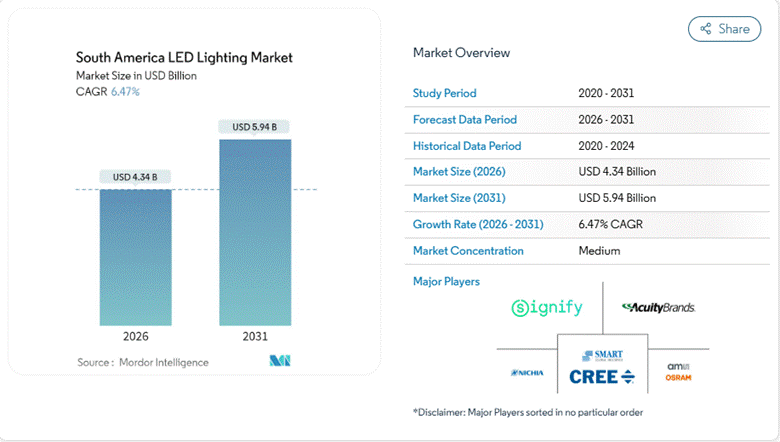
Outline South America’s lighting market is changing fast. Infrastructure upgrades are accelerating across multiple countries. Distributors see opportunity, but competition is intense. Brazil is crowded with local brands. International giants dominate the high-end space. Emerging markets like Peru and Argentina are still wide open. So, where does Long-join fit in this landscape? The answer lies […]
Comparison between JL-204C and UM-204C
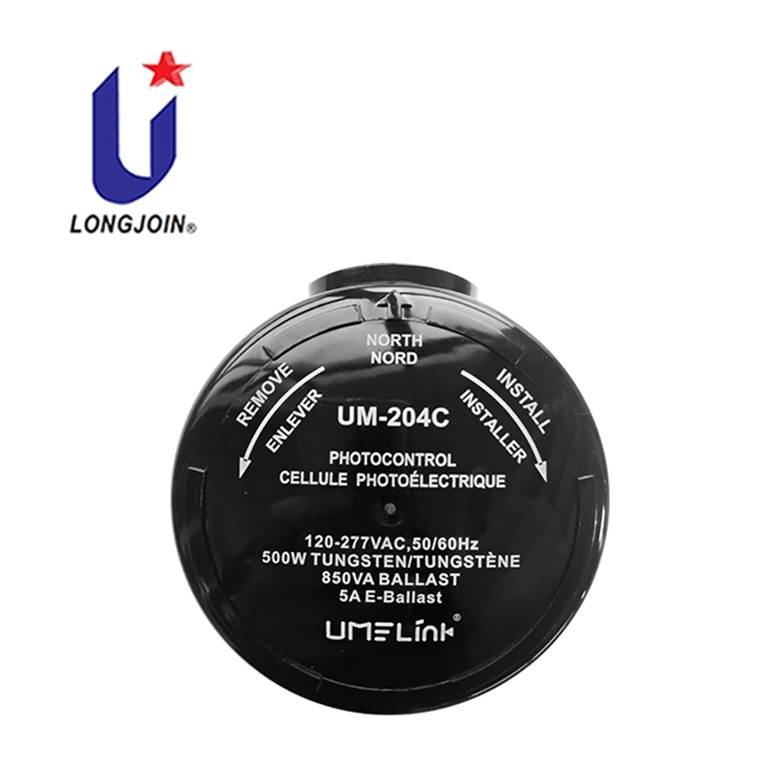
Outline Choosing the right photocontrol is not just about price. It is about extended reliability, where the product will be used. JL-204C and UM-204C serve very different market needs. One focuses on higher performance and stricter requirements. The other targets are cost-sensitive regions with flexible certification needs. This comparison helps you decide which model fits […]
JL-411 Low Voltage Photocell Suitable for Middle East Lighting Applications
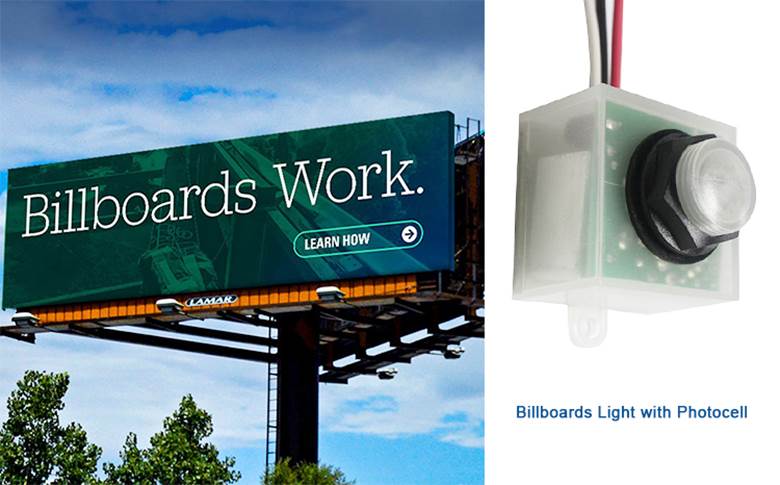
Outline There is an uptick in the deployment of lighting systems across Middle East infrastructure projects. Traffic signals and parking areas often rely on safe 12V and 24V control solutions. However, harsh dust and voltage fluctuations demand reliable photocell performance. The JL-411 low-voltage photocell sensor is designed to meet these regional challenges. It delivers: This […]
Long-join’s NEMA vs Zhaga Interface Standards
Outline Smart lighting systems rely on more than just sensors and software. The interface standards are yet another critical aspect. They play a critical role in how devices communicate and perform. NEMA and Zhaga are the two dominant options used worldwide today. Each follows a different design philosophy. Each suits different project needs. This article […]
Comparative Analysis of Long-Join Low-Voltage and High-Voltage Photocontrol Systems

Outline Choosing the right photocell system is not always simple. Outdoor lighting environments vary in scale and safety demands. Long-Join offers both low-voltage and high-voltage photocell sensors to address these differences. Each system serves a specific purpose. They cater from small residential lighting to large municipal projects. This article compares the two options to help […]
Detailed Analysis of Long-Join Zigbee Smart Photocell Series JL-245CZ and JL-246CG

Outline Smart lighting is no longer optional. Cities and buildings now demand systems that are wireless and easy to manage. Zigbee technology answers that need with low power use and reliable networking. Long-Join’s JL-245CZ and JL-246CG are built around this advantage. They combine intelligent sensing with flexible wireless control. Together, they simplify lighting management while […]
 English
  Spanish
  Russian
  Arabic
  Italian
  Japanese
  Portuguese