OUTLINE
- 導入
- What Are the Most Common Outdoor Light Sensor Failures?
- What Do Real-World Failures Look Like?
- How Do the Failure Modes Compare?
- Why Do So Many Outdoor Lighting Projects Experience Failures?
- Which Long-Join Models Prevent the Most Common Failures?
- How Should New Buyers Evaluate Photocontrols Before Purchasing?
- Avoid Common Photocontrol Sensor Failures
- Frequently Asked Questions on Photocontrol Sensor Failure
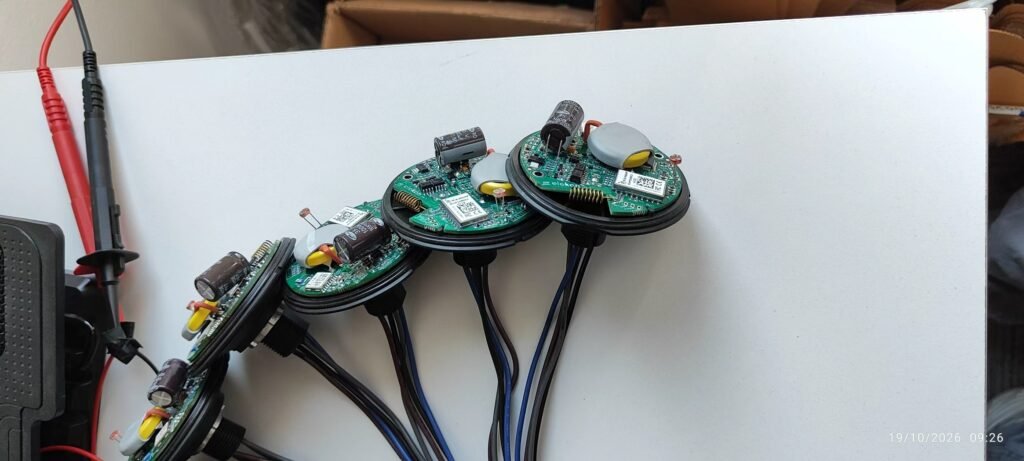
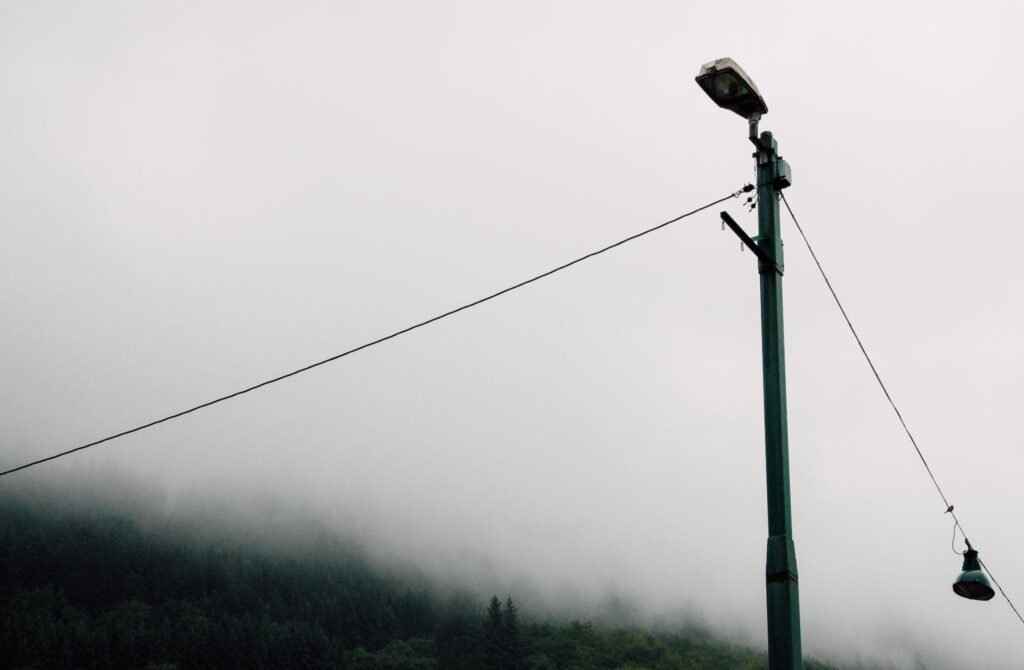
Photocells are becoming an ever-present part of most outdoor lighting. Failure of these light control sensors could lead to flickering lights, lights coming on at the wrong times, and costly maintenance visits.
Most outdoor photocell failures are preventable. They follow predictable patterns tied to environmental exposure, poor product selection, and installation mistakes that experienced buyers learn to screen for before committing to a supplier.
To have a reliable dusk-to-dawn sensor that appropriately automates operations and saves energy and maintenance costs, you need to be conversant with the most common outdoor sensor failure modes.
This guide covers eight of the most common failures, real-world examples of how they present, and the straightforward steps that reduce their occurrence.
What Are the Most Common Outdoor Light Sensor Failures?
Eight failure modes account for the majority of outdoor photocell problems encountered across residential, commercial, and municipal installations.
- Water ingress
- UV ageing and housing cracking
- Relay sticking or switching failure
- LED flickering and unstable switching
- False triggering from nearby light interference
- Corrosion at electrical contacts
- Wiring mistakes during installation
- Sensor contamination from dirt and dust
When trying to diagnose the issue, this list is the best place to begin.
What Do Real-World Failures Look Like?

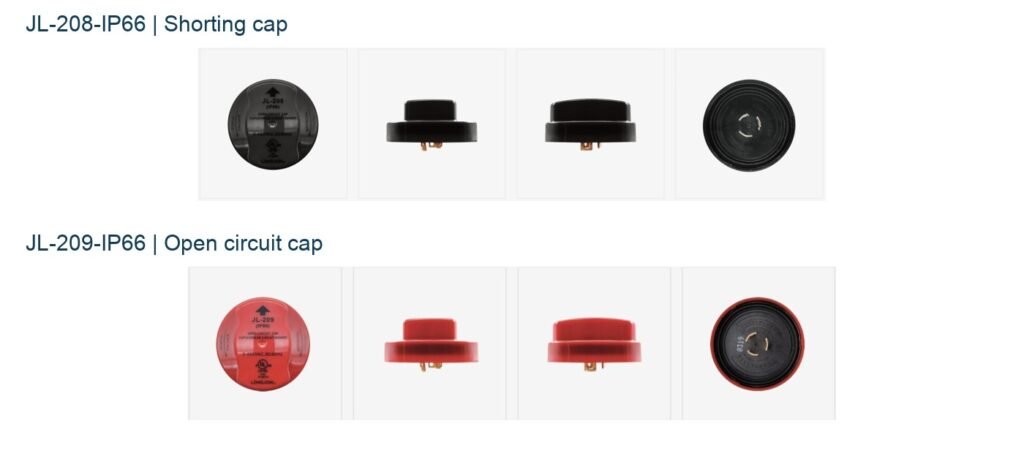
Failures present differently depending on whether the photocell is hard-wired or twist-lock, and the environment it’s installed in.
Hard-wired failure examples
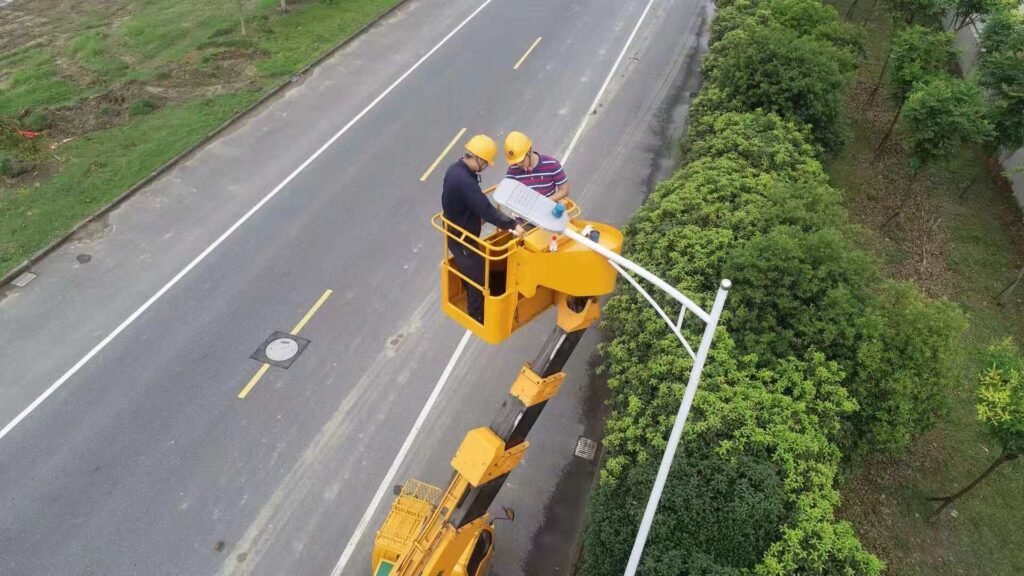
- A commercial building wall pack with a low-cost hard-wired photocell exposed to direct rain. The housing seal isn’t adequate for the exposure level, moisture entered, the relay corroded, and the light stayed permanently on. The fix requires a wiring job at height. The right specification from the start would have been the JL-403C with its improved outdoor sealing design.
- A residential decorative fixture where nearby garden lights reflect into the photocell sensor at night. The unit cycles on and off continuously. It may be that the sensor has no directional adjustment, so it can’t be oriented away from the reflected source. The JL-104 adjustable series solves this by allowing the sensor head to be redirected after installation.
Twist-lock failure examples
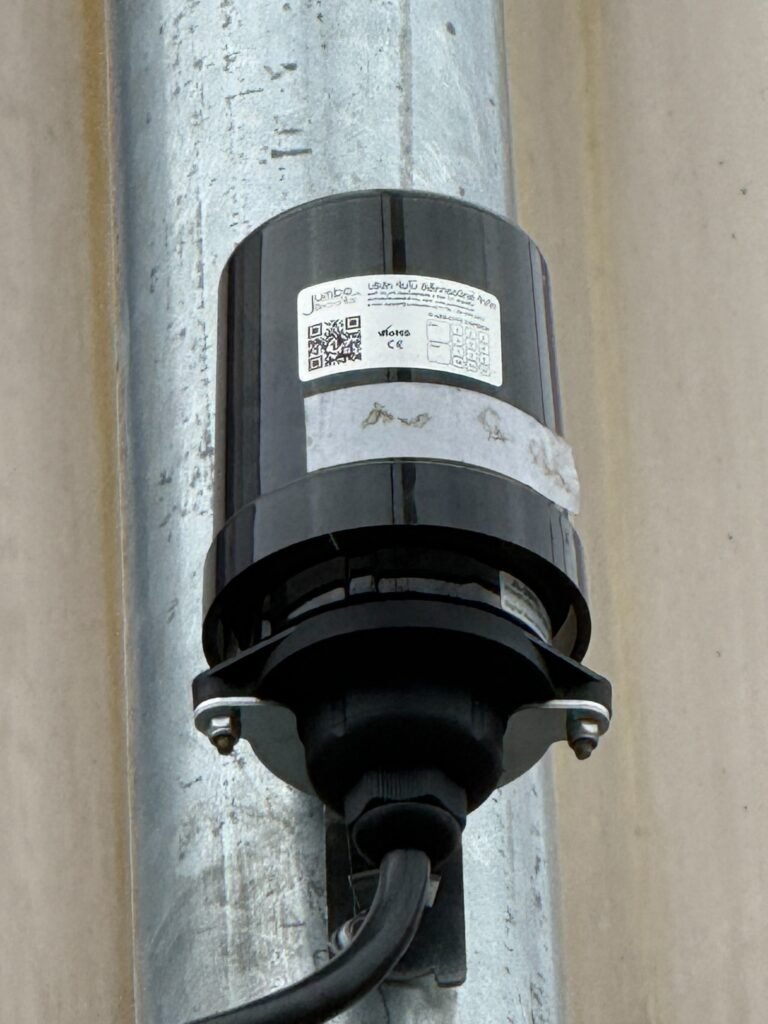
- A municipal street lighting in a humid coastal region. Low-quality receptacle seals allow moisture penetration over time, corroding the contacts and producing unstable switching. The correct specification is the JL-205C と JL-200X receptacle, which uses industrial-grade sealing and enhanced contact plating designed for sustained outdoor exposure.
- A commercial parking lot where the existing photocontrols are original units from before the LED upgrade. The older relay design isn’t compatible with the new LED drivers, producing flickering and relay chatter that accelerated contact wear. Replacing with the JL-207C electronic photocontrol resolved both issues.
How Do the Failure Modes Compare?
Here is a full guide on how to approach and avoid the most common failure modes in outdoor light sensors:
| Failure | Typical Cause | 現実世界への影響 | Prevention |
| Water ingress | Poor sealing | Internal corrosion, permanent ON | IP65-rated photocontrol |
| UV housing cracking | Low-grade plastic | Housing damage, moisture path | UV-resistant material |
| Relay sticking | Poor relay quality | Light fails ON or OFF | Long-life relay specification |
| LED flickering | LED incompatibility | Unstable lighting, relay wear | LED-compatible photocontrol |
| 誤作動 | Light reflection or headlights | Repeated cycling | Adjustable sensor or IR filter |
| Contact corrosion | Humidity and poor plating | Switching failure | Enhanced plated contacts |
| Wiring mistakes | Incorrect installation | Sensor malfunction | Follow wiring diagram exactly |
| Dust contamination | Outdoor pollution | Sensor inaccuracy, false reads | IP protection and periodic cleaning |
Why Do So Many Outdoor Lighting Projects Experience Failures?
Most failures trace back to procurement decisions made on price alone. Buyers focus on basic on/off functionality and the lowest unit cost. Here are some other important features to consider:
- IP等級
- 紫外線耐性
- LED compatibility
- Contact quality.
Without considering these sectors, there is a higher likelihood of failures, especially in tropical climates, coastal zones, industrial areas, and anywhere with sustained UV exposure or grid instability.
The photocell is the component that controls the connected fixture every hour it runs. Getting it wrong costs far more than the savings on the unit price.
Which Long-Join Models Prevent the Most Common Failures?
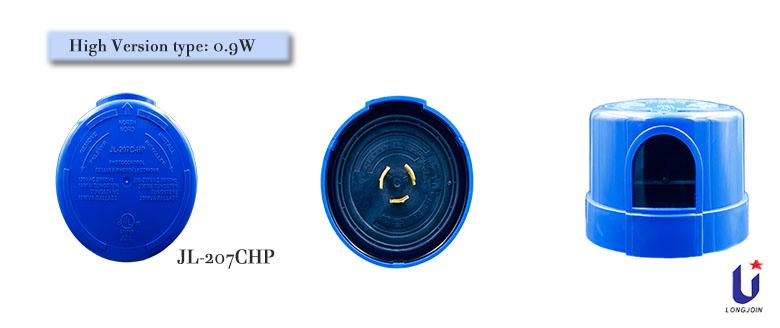
Long-Join products are designed specifically for harsh outdoor environments, with several key advantages.
| 応用 | 推奨モデル | 主な利点 |
| 街路照明 | JL-205C | Standard NEMA, LED-compatible |
| Industrial outdoor lighting | JL-207C | IP65, long relay life, IR filter |
| Decorative outdoor lighting | JL-104 series | Adjustable sensor direction |
| Wall pack lighting | JL-403C | Compact hard-wire, outdoor sealing |
| スマートシティプロジェクト | JL-245CN | Smart-ready architecture |
Full specifications of each photocell can be found in Chi-Swear’s photocell catalogue. However, the choice is always dependent on the fixture and environmental conditions.
How Should New Buyers Evaluate Photocontrols Before Purchasing?
For someone who is new or trying to be more intentional about choosing the right photocontrol sensors, here are five steps to reduce procurement risk significantly:
- Verify the IP rating
- Check LED compatibility
- Request UV-resistant material documentation
- Match the installation format to the project type (hard-wired for compact fixtures, NEMA twist-lock for roadway and municipal work)
- Request samples and test them in actual outdoor conditions for at least one season before committing to volume.
Procurement Checklist
A useful checklist before finalising any photocontrol procurement:
| Evaluation Item | Recommended Requirement |
| Waterproof rating | IP65 minimum |
| LED compatibility | Verified for the specific driver type |
| 紫外線耐性 | Outdoor-grade engineered material |
| Switching lifespan | 20,000 cycles minimum |
| Installation standard | ANSI/NEMA preferred for street lighting |
| Corrosion resistance | Enhanced plated contacts |
| Environmental testing | Field sample testing recommended |
Avoid Common Photocontrol Sensor Failures
Outdoor photocell failures are predictable and largely preventable. Long-Join’s outdoor photocontrol range covers all eight failure modes through IP65 protection, UV-resistant housing, LED-compatible switching, and enhanced contact design. The investment in the right specification upfront costs a fraction of a single maintenance visit at height.
Frequently Asked Questions on Photocontrol Sensor Failure
Q1: What is the most common cause of outdoor photocontrol failure?
Water ingress from inadequate sealing is the most frequent failure mode. It causes internal corrosion that progresses from unstable switching to permanent ON or OFF over time. An IP65-rated photocontrol with industrial-grade gaskets eliminates this failure path for the vast majority of outdoor installations.
Q2: Why do some dusk-to-dawn sensors flicker with LED lights?
Older relay designs were calibrated for the load characteristics of HID and tungsten lamps. LED drivers have different inrush current profiles that cause poorly matched relays to chatter, stick, or cycle.
Q3: How can water ingress damage outdoor light sensors?
Water reaching the relay contacts causes oxidation and corrosion that increases contact resistance over time. Eventually, the relay either fails to switch or welds in one position.
Q4: Are NEMA twist-lock photocontrols more reliable than hard-wired types?
Neither format is inherently more reliable. Reliability depends on the product quality, IP rating, and whether the format matches the installation environment.
Q5: What should new buyers check before purchasing outdoor photocontrols?
Five things:
- IP65防水等級
- Confirmed LED compatibility
- UV-resistant housing material
- Minimum 20,000 switching cycles
- Correct installation format for the fixture type.
Request samples and test them outdoors before volume commitment. Those five checks eliminate the majority of failure risks before any unit is installed.