OUTLINE
- Introdução
- What Makes Twist-Lock Low Voltage Photocontrols Different?
- What Core Performance Does the Product Offer?
- What Certifications Apply and Why Do They Matter?
- What Are the Typical Application Scenarios?
- What Are the Most Common Questions About These Products?
- Para concluir
A growing share of Outdoor lighting controls run on 12V, 24V, or 48V DC supplies. Among them, you will find solar street lights, traffic signal systems, highway signage, and radio tower obstruction lighting.
These different lighting sources use low-voltage photocontrols that most standard photocell catalogues don’t adequately cover.
Twist-lock low voltage photocontrols bridge that gap, combining the installation convenience of the familiar NEMA twist-lock format with the electrical compatibility that DC and specialised AC applications actually need.
Let’s dive into what twist-lock low-voltage photocontrols offer, where they’re used, and answer the questions that come up most often during specification and installation.
What Makes Twist-Lock Low Voltage Photocontrols Different?
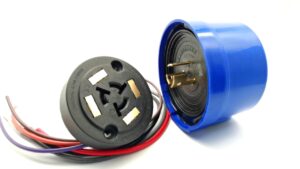
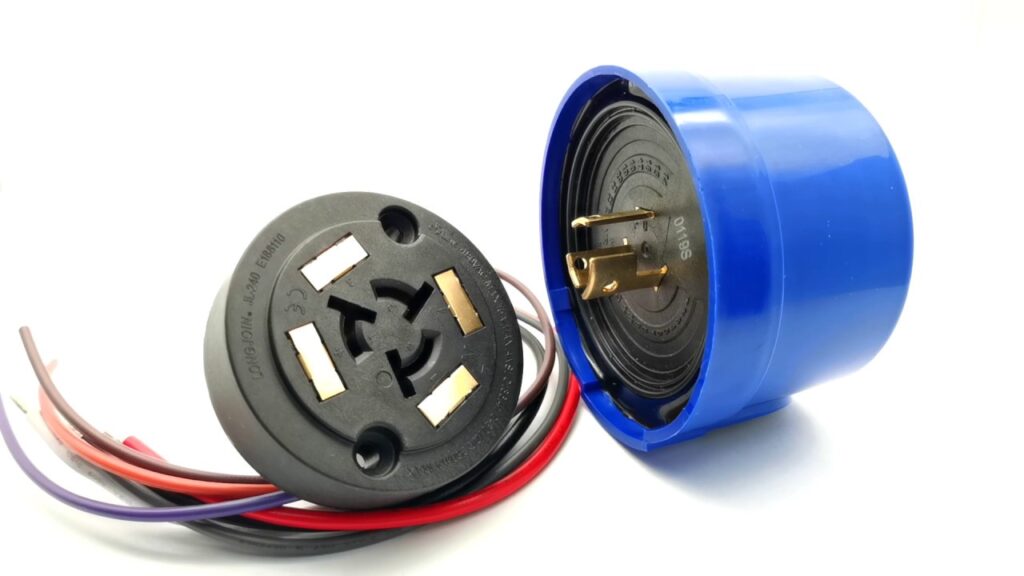
Twist-lock low voltage photocontrols combine the plug-and-play NEMA receptacle interface with voltage ratings, protection levels, and sensing technology suited to DC systems and specialised outdoor applications.
The twist-lock format matters because it allows tool-free installation and replacement. On fixtures mounted at height, that translates directly into lower maintenance costs and faster servicing time.
The low-voltage DC rating matters because an increasing proportion of outdoor lighting infrastructure runs on solar-charged battery systems that operate at 12V, 24V, or 48V — and connecting a standard AC photocell to those systems isn’t an option.
What Core Performance Does the Product Offer?
Twist-lock low voltage photocontrols in Long-Join’s range deliver the usual features consistent with standard photocells, but also have some useful core specifications.
These product performances offered by the low voltage photocontrols in Chi-Swear’s catalog are designed for the physical and electrical demands of outdoor DC lighting systems.
Proteção IP65
IP65 means the housing is completely dust-tight and protected against water jets from any direction. For a photocell mounted on an outdoor fixture exposed to wind-driven rain, road spray, or coastal humidity, this is the minimum acceptable protection level. The IP65 rating covers the full range of weather conditions these fixtures encounter across their service lives.
Wide operating voltage range (9-36V DC)
A 9-36V range covers 12V and 24V solar systems across their full charge and discharge cycles, not just at nominal voltage. A photocell with a narrow acceptable input voltage will behave unpredictably across that range. The 9-36V rating provides the margin that real solar systems need.
caixa resistente aos raios UV
UV degradation of photocell housings is a failure mode that doesn’t show up immediately but accumulates over years of outdoor exposure, eventually causing the housing to become brittle, crack, and allow moisture ingress.
UV-stabilised housing material directly extends the effective service life of the photocell in exposed outdoor positions. This is particularly relevant for highway and high-elevation installations where UV exposure is more intense.
Advanced Optical Sensing Technology
Twist-lock low voltage photocontrols in Long-Join’s range use an IR-filtered phototransistor as the core sensing component, backed by customisable lux threshold settings that allow the switching behaviour to be tuned to specific site conditions.
The IR filter placed over the phototransistor blocks infrared-heavy wavelengths while allowing the natural daylight spectrum to pass through, allowing the sensor to respond accurately to the genuine daylight cycle without being tricked by the infrared-heavy output of passing vehicles or nearby fixtures.
The customisable luxo settings allow specifiers to define the switching point for the specific environment rather than accepting a fixed factory default — a particularly useful option in solar systems where unnecessary early switching draws from battery reserves that should last through the full night.
What Certifications Apply and Why Do They Matter?
Twist-Lock Low Voltage Photocontrols are highly reliable. The Long-Join models have about 3-5 years of proven quality, without the need for frequent maintenance and high operating costs.
In addition, these photocontrolllers are compliant with international standards, having both CE and RoHS certification. Some specialized models, like the JL-207-48D, have FCC certifications that ensure compliance and safety in high-risk applications such as radio tower obstruction lighting.
CE and RoHS are standard export compliance requirements covered in detail across Long-Join’s product range. FCC certification warrants separate attention here. Radio tower obstruction lighting operates in environments with significant radio frequency emissions. The FCC certification on the JL-207-48D confirms that the photocell’s switching circuits do not emit electromagnetic interference at levels that could affect the tower’s own communications equipment or nearby receivers.
What Are the Typical Application Scenarios?
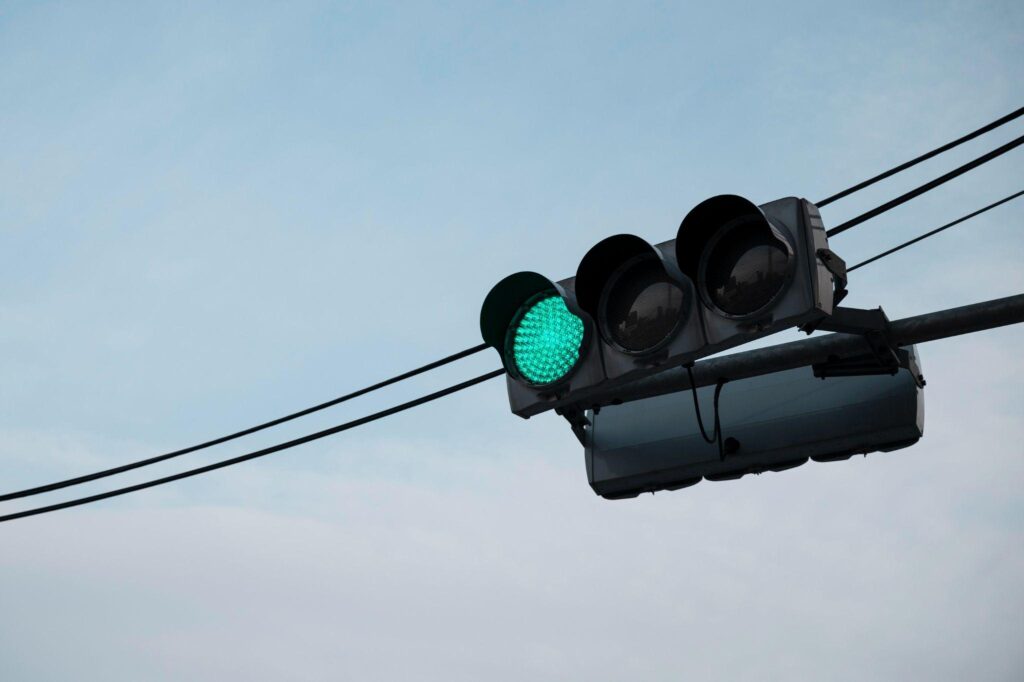
Twist-lock low voltage photocontrols are suited to a range of outdoor environments where DC supply, specialised certification, or high physical exposure rules out a standard AC photocell.
Some of those areas include:
- Solar off-grid lighting systems
- Low-voltage DC luminaires
- FCC-compliant radio tower obstruction lighting (JL-207-48D specific)
- Highway lighting and traffic signal lighting
The twist-lock format makes installation and replacement straightforward across all of these environments, as it is compatible with JL-200X and JL-200Z twist-lock receptacle bases. No rewiring, no tools, no extended downtime on fixtures that may be mounted at height or in hard-to-reach positions.
What Are the Most Common Questions About These Products?
1. What is the typical service life of the JL-205 and JL-207 series photocontrols?
Under normal operating conditions, the standard relay in the JL-207 series is rated for 10,000+ working cycles. At two switching events per day (dusk on, dawn off), that equates to approximately 13 years of theoretical relay life. The HP (High-Power) relay variant extends this to over 50,000 cycles.
Actual service life depends on the surge environment, operating temperature, and load characteristics. The 3-5 year warranty covers the product under normal outdoor operating conditions.
2. How do low voltage photocontrols maintain accurate light sensing under strong sunlight and harsh environmental conditions?
Two design elements handle this. First, the IR-filtered phototransistor responds only to the ambient daylight spectrum rather than the full light spectrum, so bright artificial sources and direct sunlight reflection are less likely to cause false triggering.
Second, the time delay function (3-10 seconds standard) requires the light level change to be sustained before switching occurs. Together, these prevent the nuisance tripping that is common with unfiltered sensors in harsh outdoor environments.
3. What is an IR-filtered phototransistor and how does it improve photocontrol performance?
A phototransistor is a semiconductor device whose conductivity changes with light exposure. An IR filter placed over the sensor blocks wavelengths in the infrared portion of the spectrum (typically above 700nm) while allowing visible daylight wavelengths to pass. Thereby preventing it from responding to vehicle headlights, certain LED fixtures, or other artificial light sources that would otherwise cause false switching.
4. What are the specific FCC requirements for radio tower obstruction lighting applications?
FCC Parte 15 governs unintentional electromagnetic emissions from electronic devices operating in the United States. For radio tower obstruction lighting, the photocell’s switching circuits must not emit RF interference above the Part 15 Class B limits, which are stricter than Class A (commercial) limits. Tower operators and installation contractors in the US should confirm FCC certification on any photocontrol specified for obstruction lighting to ensure regulatory compliance.
5. What are the key considerations for installation and maintenance of twist-lock receptacles?
Several practical points apply:
- Confirm the receptacle model is compatible with the photocontrol
- Orient the photocontrol with the directional indicator facing north (or south in the Southern Hemisphere) to ensure the sensor reads ambient sky light rather than direct sun at any point during the day.
- Confirm the supply voltage at the receptacle falls within the photocell’s rated range before installation
For full specifications on twist-lock low voltage photocontrols and compatible receptacle options, visit Chi-Swear’s low-voltage photocell product range.
Para concluir
Twist-lock low voltage photocontrols serve a specific and growing segment of outdoor lighting infrastructure where standard AC photocells simply don’t apply. They are responses to real installation requirements in solar, traffic, highway, and communications infrastructure.
Specifying the right photocontrol for a low-voltage DC application from the start avoids the compatibility problems, false switching, and premature failure that come from adapting standard AC products to environments they weren’t designed for.

To learn more about the JL-411 series optical controller
Please feel free to contact our Mandy😊