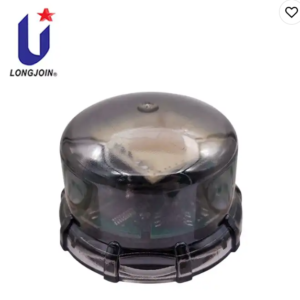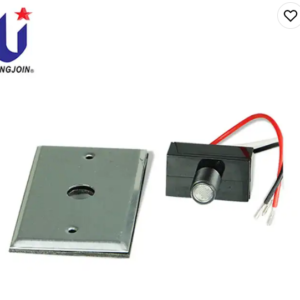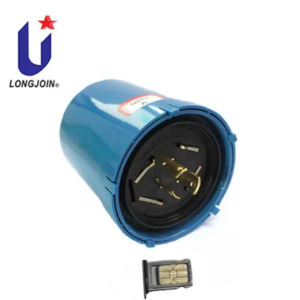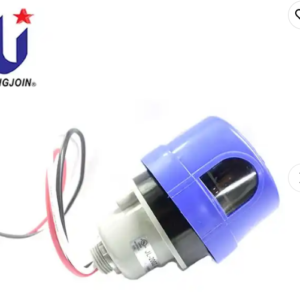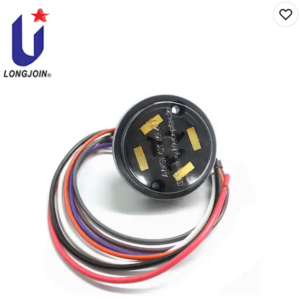
5Pin 7Pin rotary lock light controller housing kit
cover
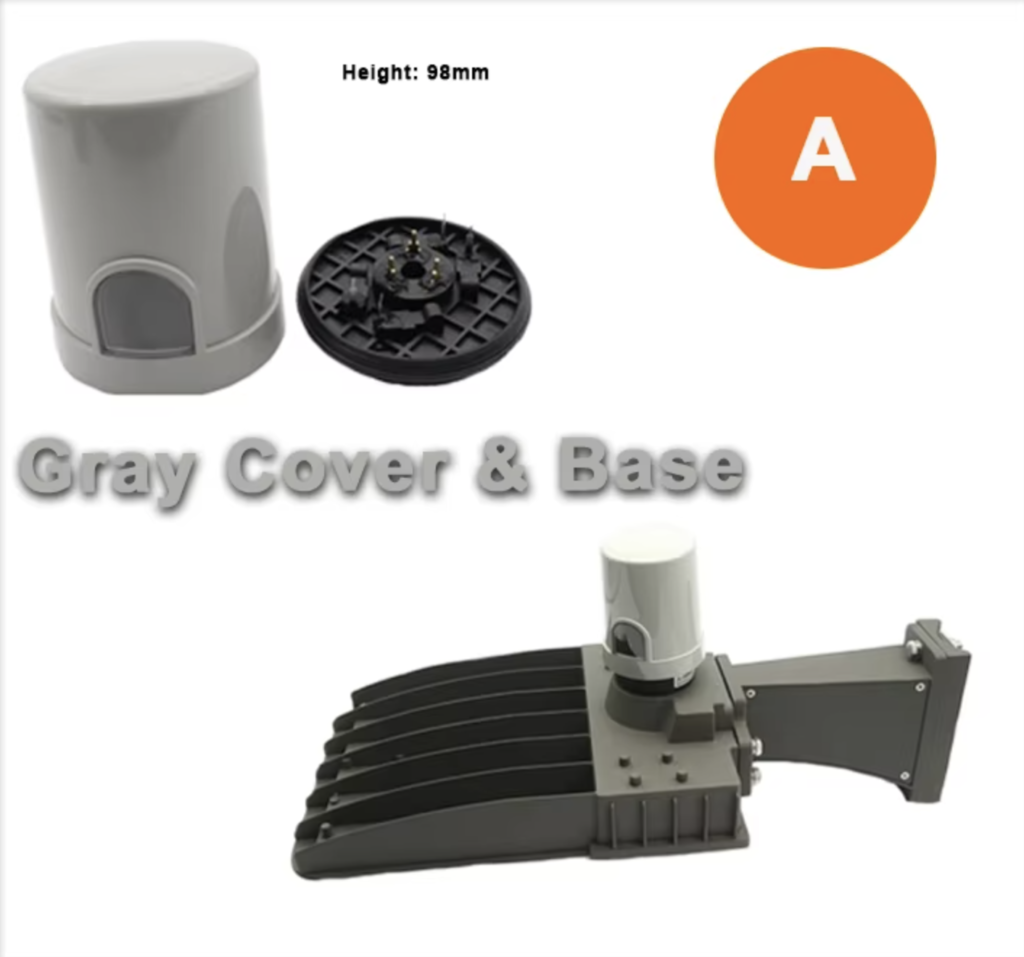
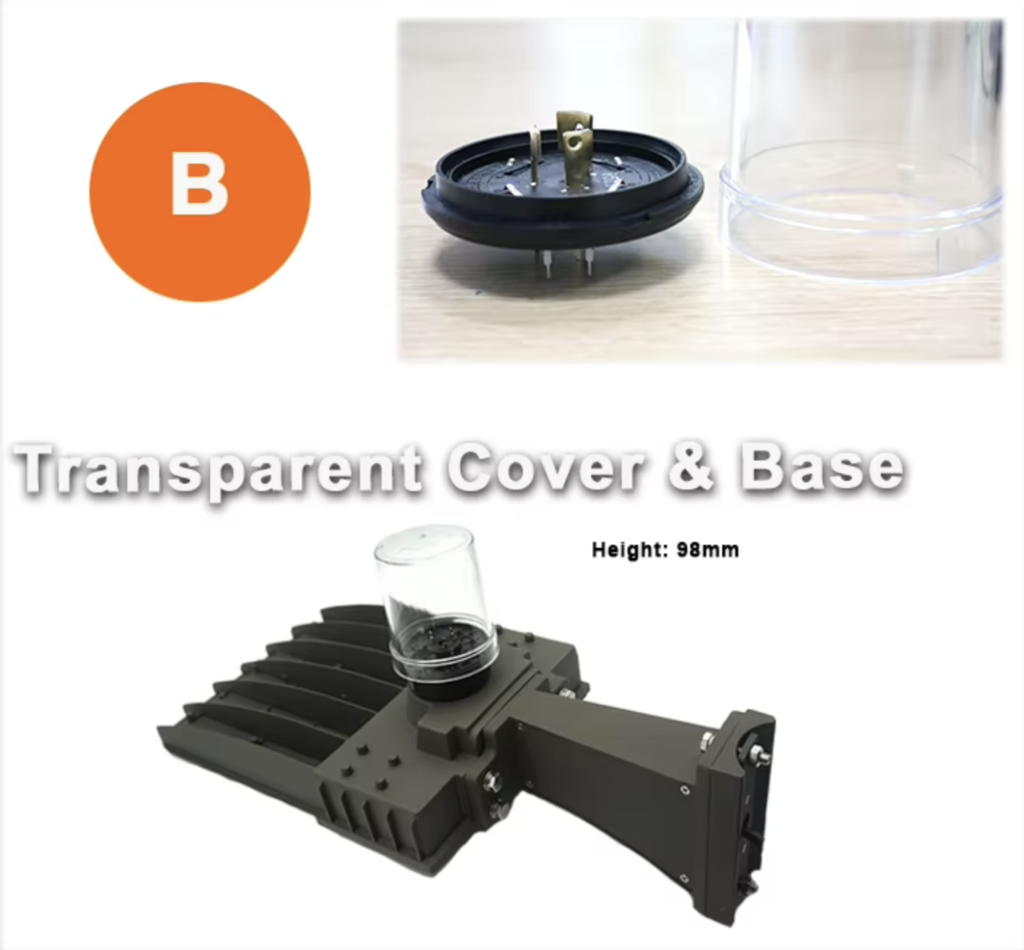
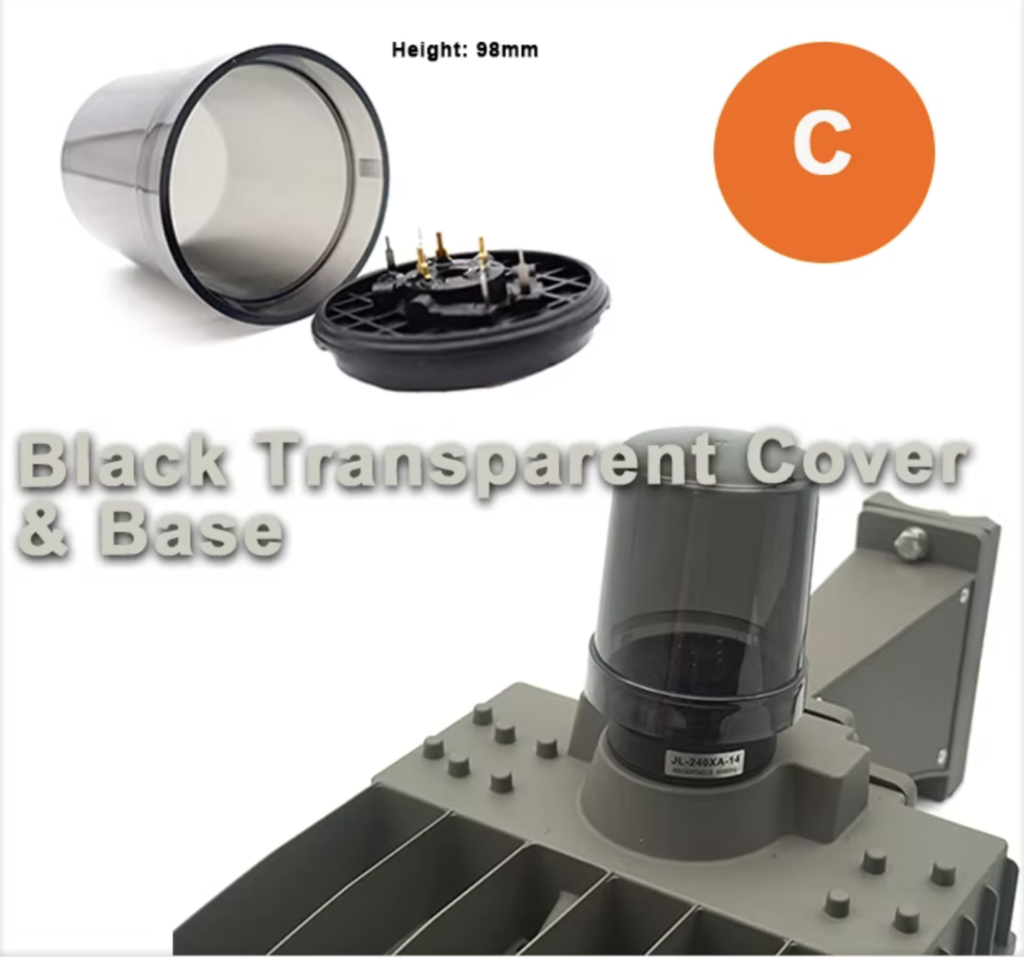
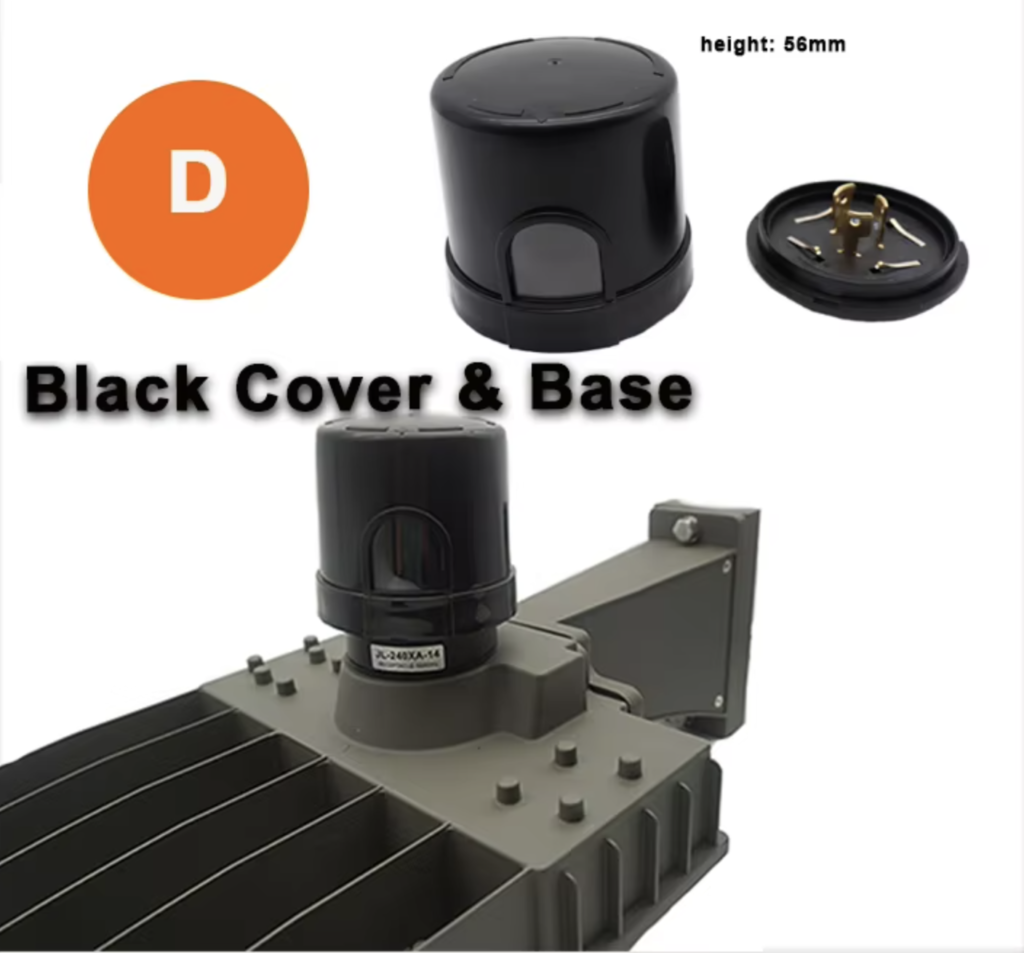
Select a photocontrol cover to match the base, internal components and intended outdoor application. Verify dimensions, material specifications, sealing requirements and any stated UV or weather-resistance test data for the selected model. Environmental protection depends on the complete assembled housing; a cover alone does not establish suitability for every harsh environment.
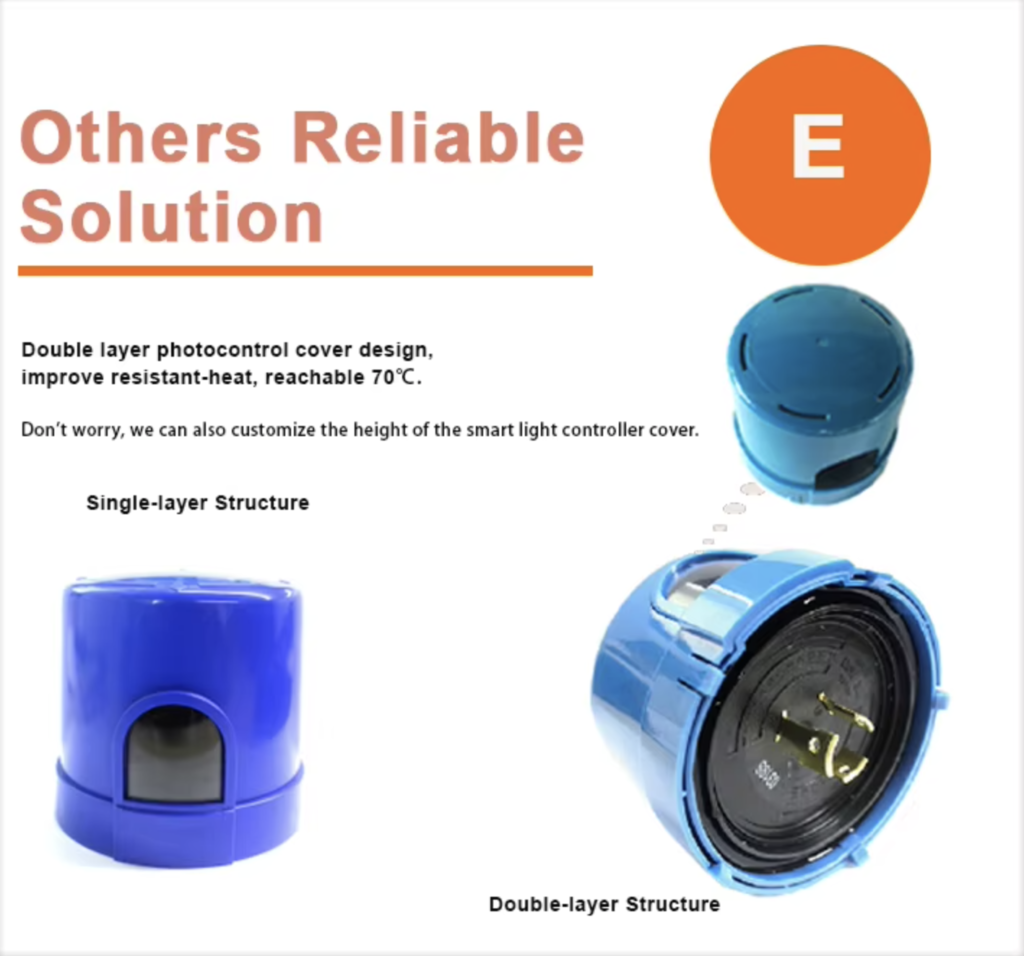
Single layer/Double layer
Compliant with AN SI C136.41&UL773 standards
Voltage resistance:> 600V
Protection level: IPx5
Working temperature:- 40℃~ + 70℃
Regular style: Blue and Black
New model: Silver gray, using dual color injection molding process
-

Smart City Street System Wireless Photocell Switch and Photocontrol Accessories Base
Read more -

Street Light System IOT Controller Accessories Transparent Cover and Base Kits
Read more -

Smart City Street Light Application Wireless Zigbee, NB-IOT Twist Lock Photocell Switch PhotocontrolCover from Long-join Factory
Read more
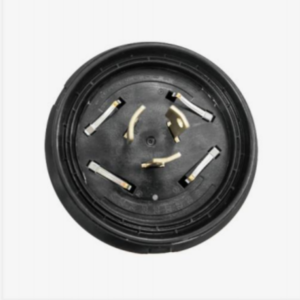
JL-241J/JL-242JV base
Based on 5pin and 7pin NEMA interface, JL-242JV is the upgraded base of JL-241J.
| Color | black |
| 3 pin twist-locking Contact dot material | Copper Contact |
| Rated frequency | 50/60Hz |
| IP rating | IP66(After assembly) |
| Material | PBT |
| Gasket | silicone rubber |
| Operating temperature | -40℃~ + 70℃ |
Product related video display:
Customizable cover
Photocontrol cover options include blue, black, grey and transparent designs, subject to the selected model. For a customized housing, specify the required diameter, height, internal clearance, material and optical requirements. Confirm fit with the base and internal components, together with sealing and environmental requirements. Smart-control functions depend on the electronics and system design; changing the cover dimensions alone does not add control functions.

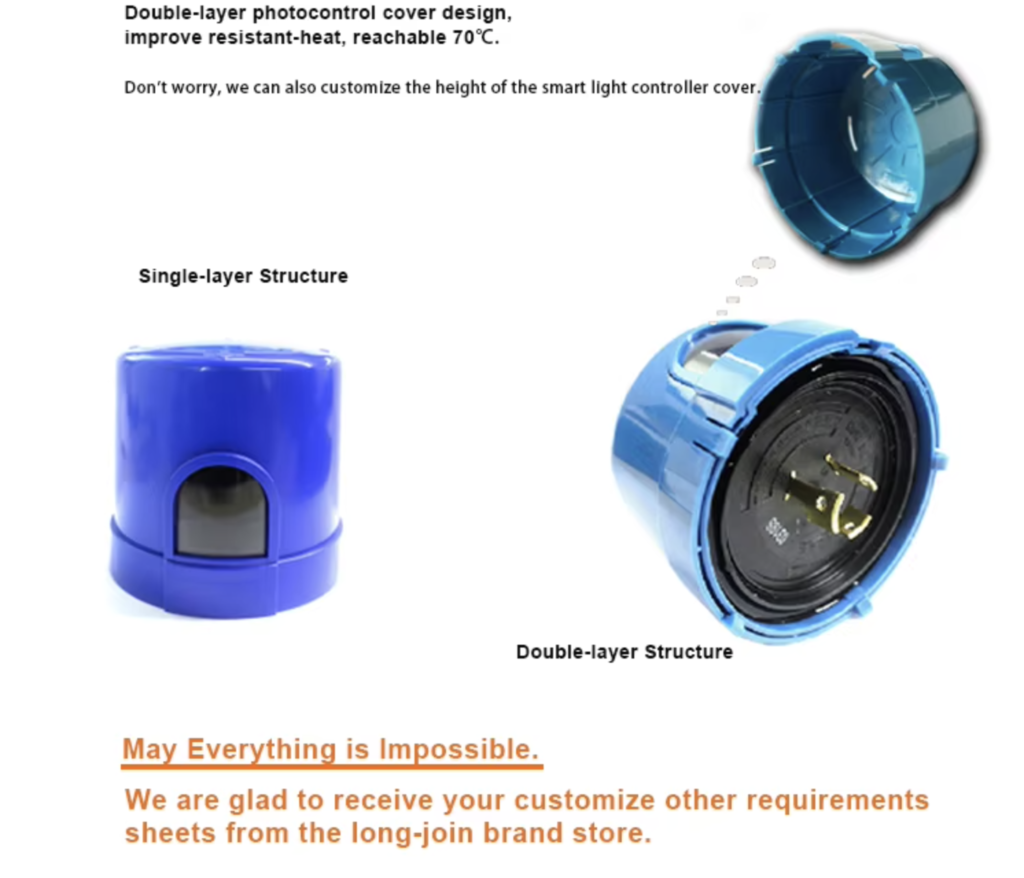
Single-layer cover options: Specify the required height, diameter, color and transparency for the intended photocontrol assembly. Confirm available configurations, internal clearance and fit with the selected base before ordering a standard or customized cover.

Double-layer cover options: Compare the construction and material specifications of the selected models. Where a 70°C temperature limit is stated, verify the applicable model, test conditions and complete housing configuration before use. Request evidence for any corrosion-resistance claim. Service life and maintenance cost depend on the complete assembly and operating conditions.
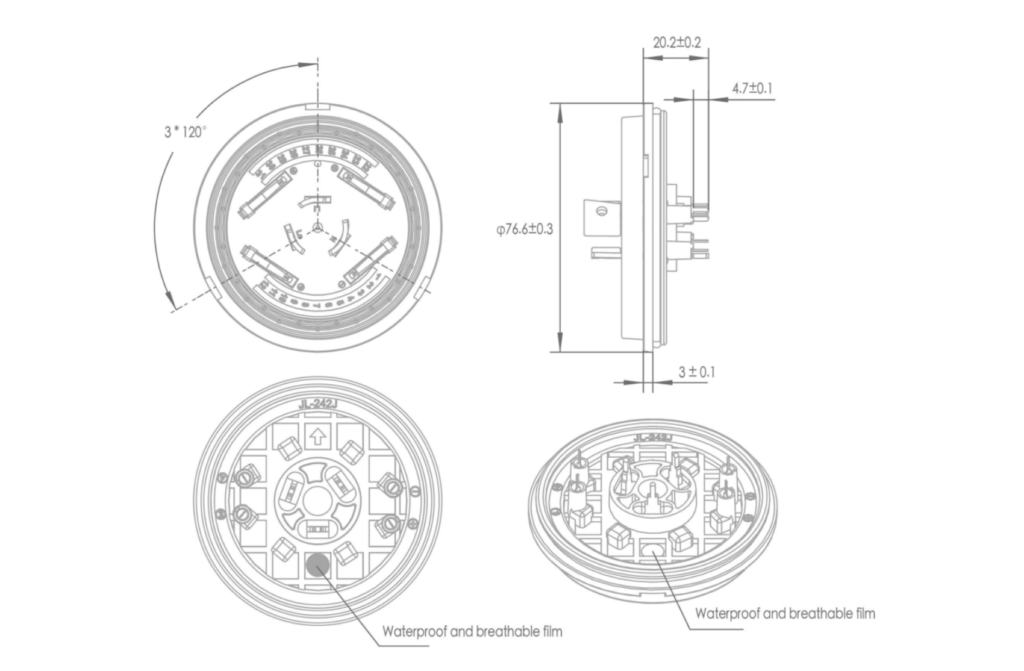
NEMA Base Comparison


1.Optimization purpose
Install a card bridge to avoid shrapnel distortion
2.Optimization Purpose
Add waterproof and breathable film, balance the pressure difference between the interior and exterior of the light controller. and reduce The product may have water ingress.
3.Optimization Purpose
The cylindrical structure can protect the pins and avoid pin deformation, and the height of the cylinder Flush with the upper shoulder of the lead out end to support the circuit board and ensure the circuit the board is flat. All pin ends are treated with glue.
4.Optimization Purpose
The waterproof ring material has been changed to silicone rubber, which has good resistance and can. To extend the service life of the gasket.
Replace the bottom gasket material with silicone rubber.
Other structural optimizations
Other subtle differences in structure are due to mold optimization considerations and process processing considerations.
Optional Smart Light Controller Accessories Kits Solution


FAQ
Electrical connections depend on the selected base and controller models. Verify the 5-pin or 7-pin configuration, pin assignments, electrical ratings and supported control interface using the model datasheets and wiring diagrams. Confirm compatibility with the mating receptacle and follow the installation instructions. The cover provides housing; intelligent-control functions depend on the electronics and system configuration.
Single-layer and double-layer covers differ in construction. Compare the specific models for dimensions, material, internal clearance, sealing arrangement and stated test results. Layer count alone does not establish load capacity, impact resistance, durability or suitability for a harsh environment. Select the complete housing assembly according to the project requirements and model documentation.
Potential applications include outdoor lighting projects for roads, parks, industrial sites, school grounds and stations, subject to the selected housing, base and controller models. Verify mounting dimensions, electrical compatibility, environmental ratings and installation requirements for the intended location. Project suitability must be assessed for the complete assembly; the housing kit alone does not determine control functions or energy savings.
Verify the specified IP rating for the selected cover, base and complete assembled housing. Confirm the tested configuration, gasket, cable entries and mounting requirements in the model documentation. Do not assume that every housing kit is rated IP65 or IP66. Protection depends on compatible parts, correct assembly and the stated test conditions.
Check environmental suitability by model and assembled configuration. Where -40°C to +70°C is stated, verify the applicable model and test conditions before selection. Request the relevant UV, impact, water-ingress and corrosion test data for the intended site. The stated temperature range alone does not establish suitability for every extreme-weather condition.
Follow the installation instructions for the selected controller, base and mating receptacle. Isolate the power supply as required before installation or removal. Verify pin alignment, wiring, gasket condition, sealing and the specified locking procedure. Do not force incompatible parts or infer mounting direction from a generic description. Confirm the completed assembly before energizing.
Durability depends on the selected material, complete assembly, exposure and maintenance. Verify whether the model uses polycarbonate (PC) or another specified material, and request relevant UV, weathering and reliability test data. Check gaskets and other replaceable parts according to the maintenance instructions. Material choice or an IP rating alone does not guarantee a fixed service life or prevent all aging and discoloration.
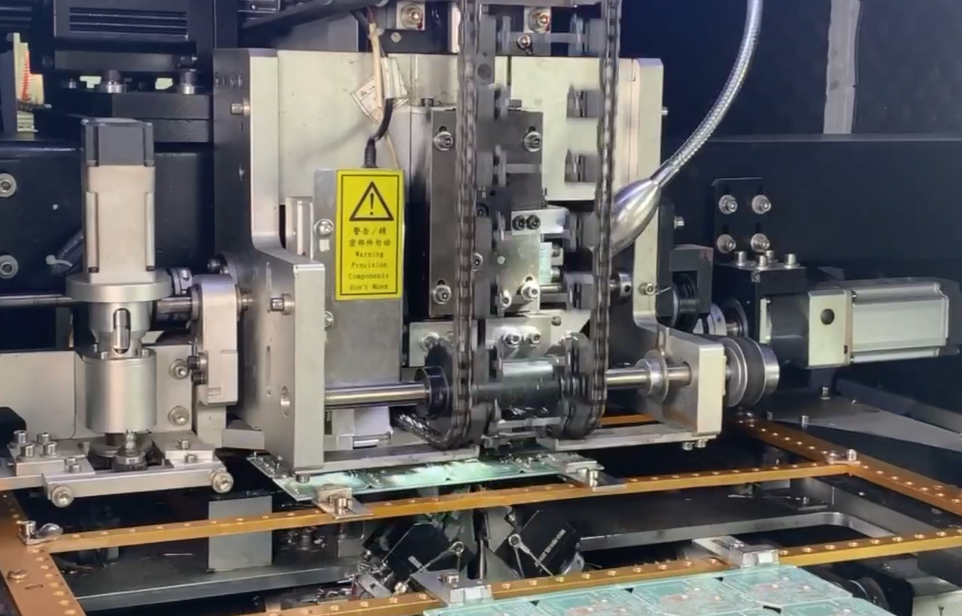
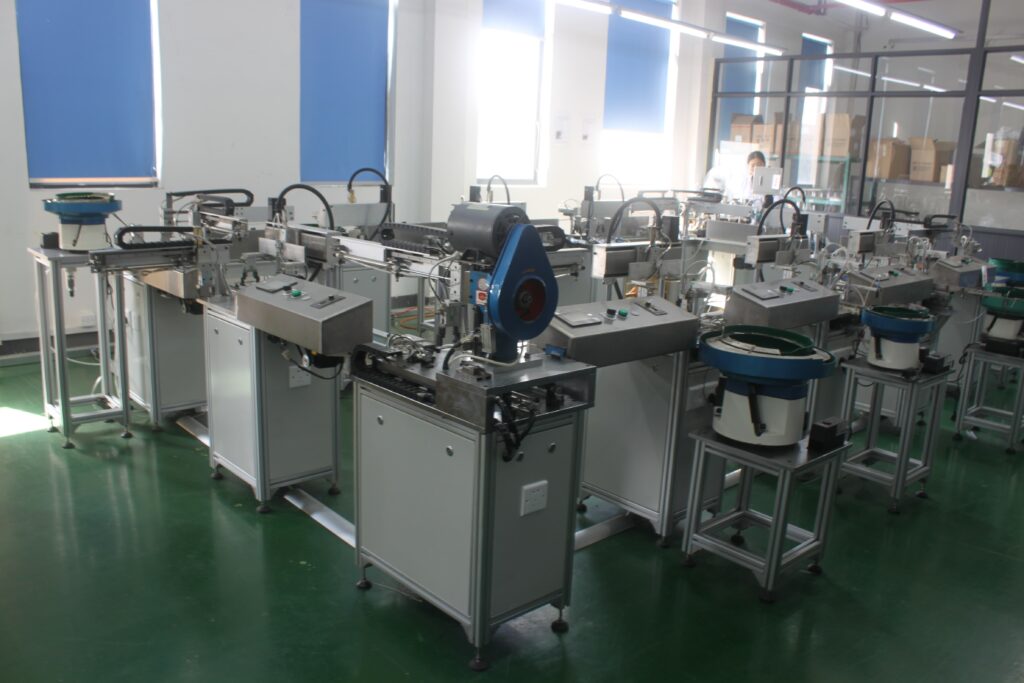
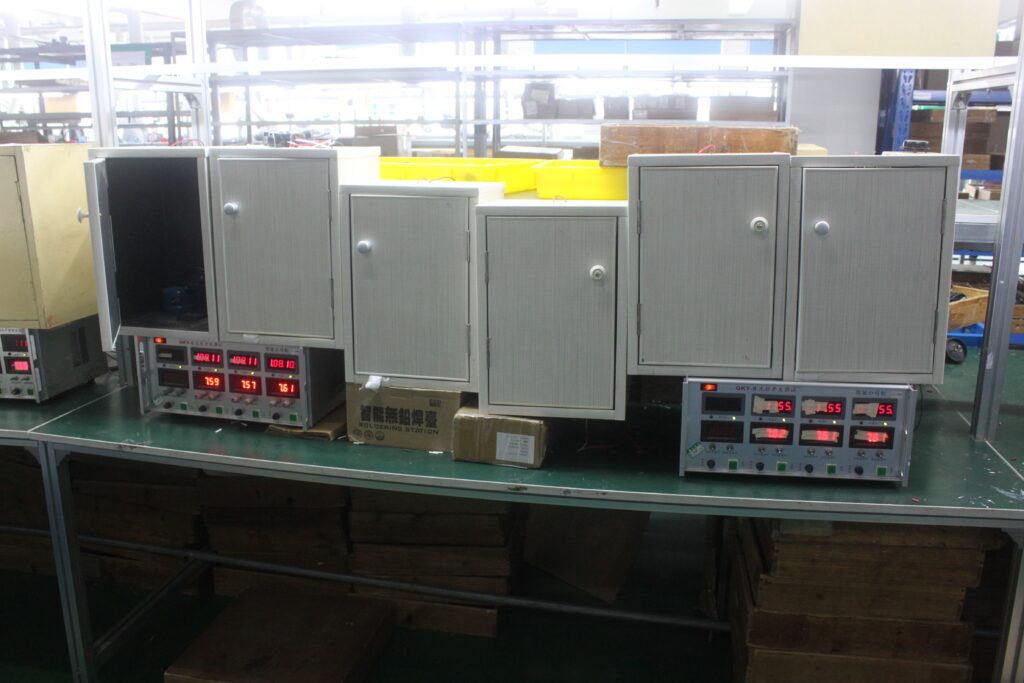
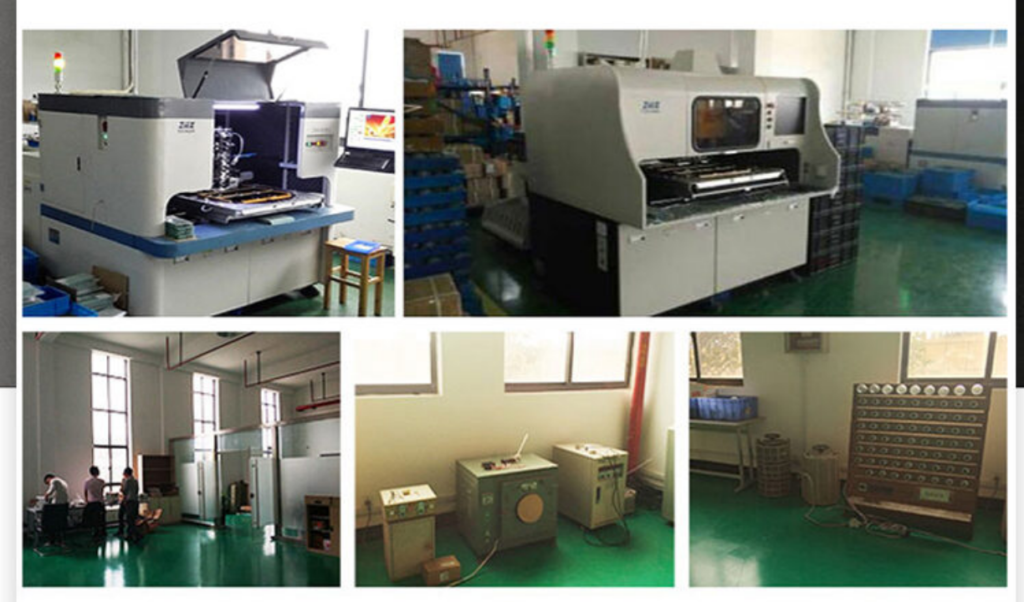
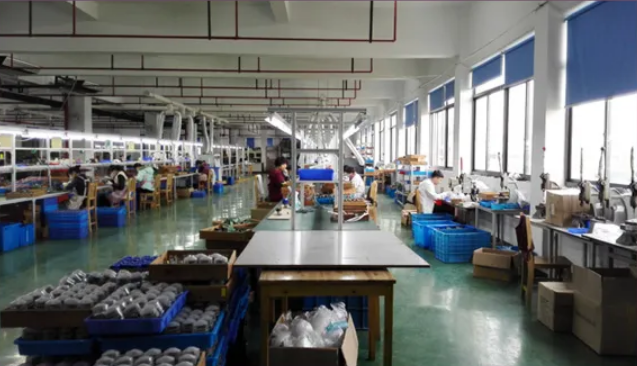
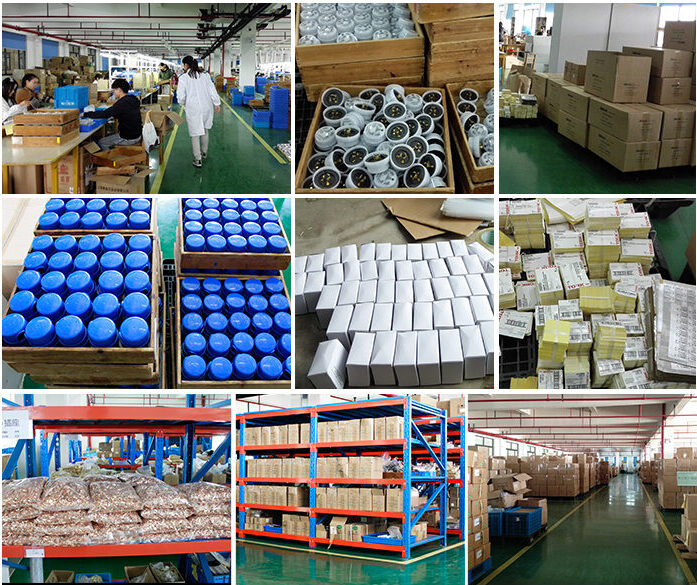
Production Workshop


related Articles

Motion Sensor and Photocell On-Off Cycling Issues
OUTLINE Q2: How can photocells avoid false triggers from external light interference? Repeated switching can disrupt lighting and increase switching stress. Determine whether the behaviour
Are Photo Controls More Energy Efficient than Motion Sensors?
OUTLINE The energy efficiency debate between photo controls and motion sensors misses the point when framed as a head-to-head competition. Both save energy. Both devices
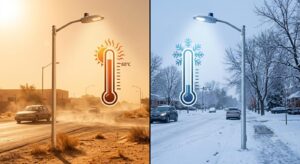
Should Photocells Support High Temperatures (60°C)?
OUTLINE Outdoor lighting markets are not uniform. A street light photocell installed operates in fundamentally different ways depending on the thermal environment of its installation.
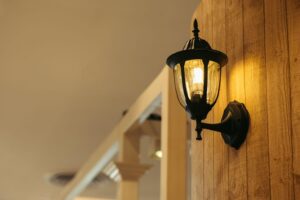
Should Photocells Have Metal Bases?
OUTLINE It comes up in procurement discussions more often than you might expect whether photocells should have metal bases. Some suggest that a metal base
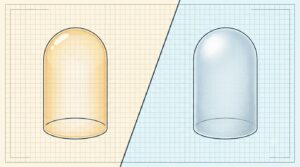
Should Photocells Have Transparent or Frosted Windows?
OUTLINE In product evaluation and procurement, we try to ask why some photocells have a clear lens window while others have a frosted dome. The
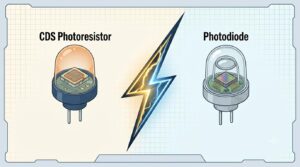
Should Photocells Use a Photodiode Instead of CDS?
OUTLINE This debate comes up regularly in outdoor lighting procurement, and it almost always starts the same way: someone points at the price difference between