OUTLINE
- Introduzione
- Why Does Low Voltage Photocell Design Require a Different Approach?
- What Are the Core Advantages of the JL-411 Series?
- Where Is the JL-411 Series Used?
- What Certifications Back the JL-411?
- What Does the Customer Benefit Comparison Look Like?
- Rounding Up
The shift toward solar-powered outdoor lighting has been gradual enough that many procurement teams haven’t fully adjusted their photocell specifications to match it.
A low-voltage photocell designed for AC systems on a DC solar controller doesn’t work. The JL-411 series exists because of real gaps like this, affecting a growing number of installations across solar street lighting, automotive applications, and off-grid rural projects worldwide.
Let’s examine what the JL-411 series actually offers across its key application scenarios and why the spec decisions Long-Join made for this product line reflect the real demands of low-voltage DC environments.
Why Does Low Voltage Photocell Design Require a Different Approach?
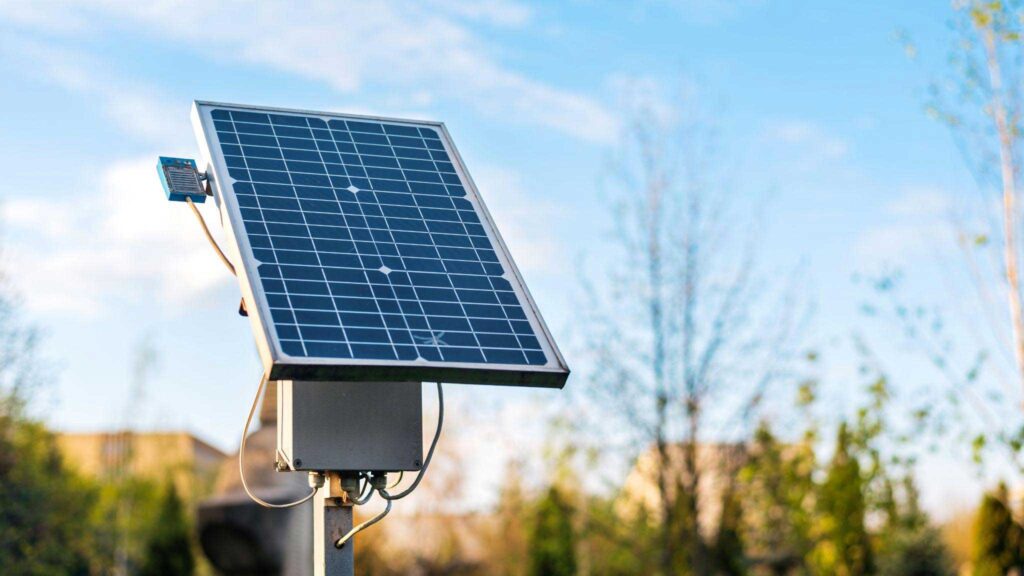
Low-voltage DC applications impose a different set of engineering constraints than standard AC street lighting; from standby power consumption to voltage range and connector compatibility, a photocell designed for AC systems will not reliably serve them.
A solar lighting system runs on a battery. Every milliwatt drawn by the photocell in standby comes out of the energy reserve that should be going to the luminaire. A photocell drawing 1.5W in standby on a 12V system is drawing significantly more relative current than the same unit on a 277VAC circuit.
Voltage regulation is also different. A solar battery system doesn’t maintain a perfectly stable voltage across its charge and discharge cycles. A photocell with a narrow acceptable input range will behave erratically as the battery voltage moves through its normal operating range across a day.
IL JL-411 series was designed around these constraints.
What Are the Core Advantages of the JL-411 Series?

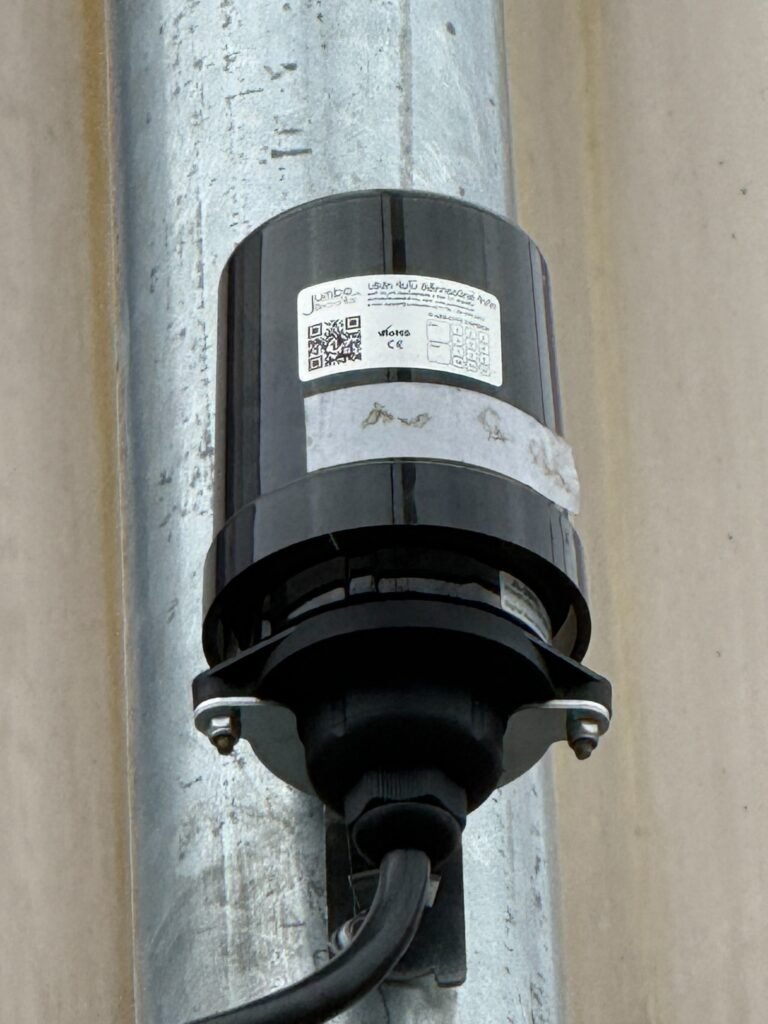
The JL-411 is Long-Join’s dedicated low-voltage DC photocell, built from the ground up for solar panel systems, automotive lighting, and any outdoor application running on a 12V or 24V DC supply.
Unlike standard AC photocells adapted for low-voltage use, the JL-411 was designed with DC systems as the starting point. That distinction shows up in three core advantages that matter most to buyers in this segment.
DC Compatibility
The JL-411 runs natively on 12VDC and 24VDC supplies, which means it connects directly to solar controller outputs and vehicle electrical systems without any voltage conversion.
Per solar street lighting specifically, this removes a component from the circuit that would otherwise draw additional power and introduce a potential failure point. The sub-1W standby consumption keeps the battery draw minimal, which in solar systems directly extends nightly run time.
Multi-year Warranty
Long-Join backs the JL-411 series with a 3-5 year warranty, reflecting the quality control standards applied across production.
For procurement teams building total cost of ownership models on solar infrastructure projects, a verified warranty period is a meaningful input into maintenance budgeting and replacement cycle planning.
Customisation support
The JL-411 supports logo printing for OEM and branded fixture programmes, and delayed switching settings can be adjusted to suit specific project requirements.
These options allow lighting manufacturers and integrators to incorporate the JL-411 into their own product lines without compromise, and let project specifiers fine-tune switching behaviour for site conditions rather than accepting a fixed factory default.
Where Is the JL-411 Series Used?
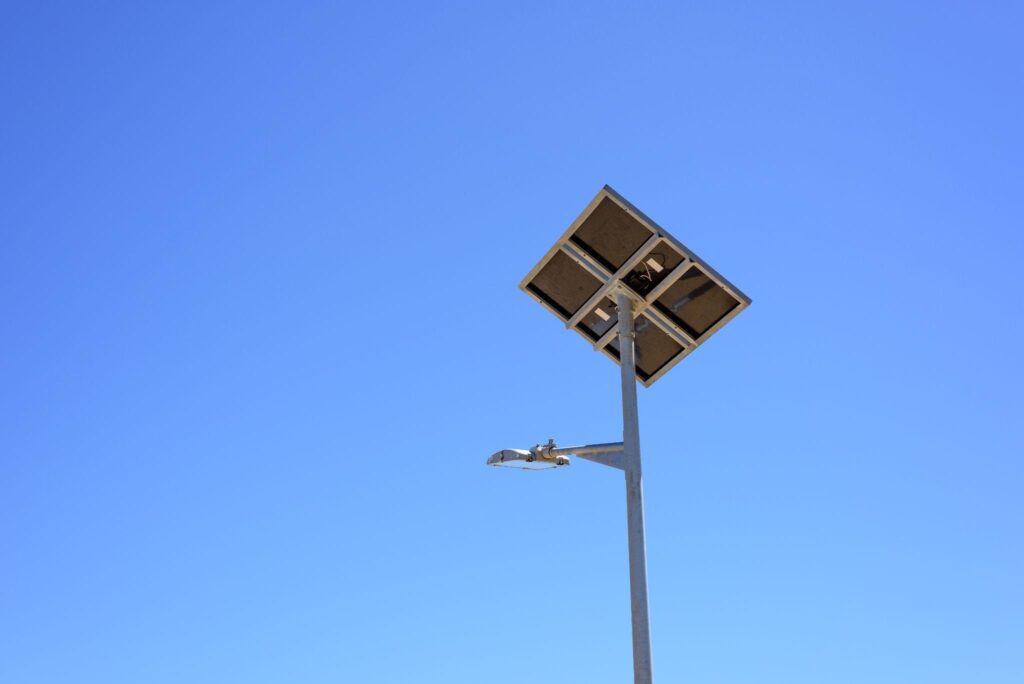
The JL-411 series serves distinct application environments, each with different reasons for specifying a low-voltage DC photocell over a standard AC unit.
Solar off-grid street lighting
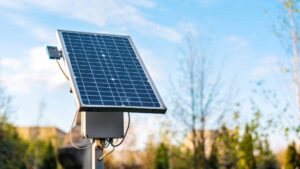
This is the primary use case. The JL-411 connects between the solar controller output and the LED driver, providing automatic dusk-to-dawn switching without any AC infrastructure required.
In rural road lighting, remote area installations, and developing-market infrastructure projects where grid connection is impractical or uneconomical, the JL-411 manages switching directly from the battery supply.
The 3-10 second time delay prevents the photocell from cycling the load on and off in response to passing vehicle headlights or brief cloud cover, preventing relay wear and disruption of lighting continuity.
Automotive ambient and vehicle lighting
12V automotive systems are one of the cleaner fits for the JL-411’s voltage range. LED strips, ambient interior lighting, and auxiliary vehicle lighting that should switch automatically with ambient conditions can be controlled by the JL-411 without any step-down converter or voltage adaptation. The sub-1W standby draw is appropriate for vehicle electrical systems where parasitic draw on a parked vehicle’s battery needs to be minimal.
Lighting fixture development and system integration
The JL-411 is compatible with TE brand DT04-2P-CE01 connectors, making it a practical component for lighting designers building custom DC fixtures who need a plug-and-play photocell interface rather than a hardwired solution. This connector compatibility reduces integration time and supports cleaner, serviceable wiring harnesses in custom fixture builds.
Off-grid and rural community lighting projects
Community lighting in areas without reliable grid access, such as rural road networks, agricultural facilities, and temporary construction lighting, benefits from the JL-411’s wide temperature range (-40°C to +70°C) and IP65 option, which covers the physical exposure typical of outdoor fixtures in these environments.
What Certifications Back the JL-411?
CE, RoHS, and UL certification on the JL-411 series covers the three most significant regulatory requirements for export to European, environmental-compliance, and North American markets, respectively.
- CE marking confirms the product meets EU safety and electromagnetic compatibility requirements.
- Direttiva RoHS compliance confirms it meets EU restrictions on hazardous substances — increasingly a procurement requirement in both public and private sector tenders globally.
- UL listing provides the North American market assurance of independent safety testing to recognised standards.
For procurement teams building bills of materials for export projects or multi-region deployments, having all three certifications on a single photocell model simplifies the compliance documentation process significantly.
For full JL-411 series specifications, including voltage variants and customisation options, the product pages on Chi-Swear’s low-voltage photocell section cover the complete range.
What Does the Customer Benefit Comparison Look Like?
The JL-411’s value case across different customer concerns can be summarised as follows:
| Customer Concern | JL-411 Advantage |
| Compatibilità di tensione | 12V/24V DC — direct connection to solar controllers and vehicle systems |
| Customisation | Logo printing, delay time adjustment, R-version split sensor, and custom lead length |
| Quality guarantee | 3-5 year warranty under normal operating conditions |
| Application breadth | Solar street lighting, automotive, LED strips, off-grid community lighting |
| System compatibility | TE DT04-2P-CE01 connector support for lighting fixture development |
| Certificazioni | CE, RoHS, UL — covers export requirements across major markets |
Rounding Up
The JL-411 series is a purpose-built DC lighting controller designed around the specific constraints of solar, automotive, and off-grid applications. For procurement teams specifying photocells for different locations, matching the photocell to the supply voltage from the start avoids the integration problems that come from adapting an AC product to a DC system.

To learn more about the JL-411 series optical controller
Please feel free to contact our Mandy😊
Link esterni
- https://en.wikipedia.org/wiki/Solar_street_light
- https://asq.org/quality-resources/learn-about-standards?srsltid=AfmBOorZAYLdMEtgp62N2GatsGLW-viFOKHa1twVARsHrvypvvb7RSPW
- https://en.wikipedia.org/wiki/Original_equipment_manufacturer
- https://en.wikipedia.org/wiki/CE_marking
- https://en.wikipedia.org/wiki/RoHS
- https://en.wikipedia.org/wiki/UL_(safety_organization)