

Last updated: 13 November 2026 · Long-Join technical marketing team, Shanghai
If you manufacture luminaires, the photocontrol is a small line item with two outsized consequences: it sits on your certification path, and it carries your field reputation. When a photocell fails on a pole, the utility calls the luminaire maker — not the component maker. This guide walks through the component decisions that make certification smoother, production more predictable and warranty claims rarer.
Key takeaways for luminaire OEMs
- Decide Recognized vs. Listed scope first — it determines how the component fits your luminaire certification path, not the other way round.
- Verify the component’s certification file yourself (file number, model scope, manufacturing site) before locking the design.
- Standard interfaces (ANSI C136.10, ANSI C136.41, Zhaga Book-18) mean the mechanical and photometric engineering is already solved — don’t buy custom where a standard exists.
- Field failures return under your brand: demand contact material declarations and sealed-construction details up front.
- Lock a supplier with revision-controlled datasheets and OEM flexibility, and keep a qualified second source.

Why component choice is a certification decision
A dusk-to-dawn photocontrol is an electrical component inside a certified luminaire. Depending on your certification strategy, it enters the picture in one of two ways:
- UL Recognized (component) coverage: the photocontrol is evaluated as a component suitable for use in end-product equipment. This is the normal path for OEM luminaire makers integrating a photocell into their own certified fixture — the component’s Recognized file feeds your end-product evaluation. Long-Join’s photocontrol components are produced under UL Recognized coverage (file WJFX2.E188110), which OEM engineering teams can verify directly in UL’s public database.
- UL Listed (end-product) scope: the control is certified as a complete end product in itself. That matters when the control is sold and installed as a standalone field-replacement device, which is the distributor/contractor scenario rather than the OEM one.
Ask one question early: “Under which file is the exact model I am buying covered, and is the manufacturing site on that file the site that will produce my parts?” Certificates follow a specific factory. A second workshop is not automatically covered. Getting the answer in writing, before tooling starts, is the cheapest certification risk control you will ever buy.
Standard interfaces are pre-solved engineering
The second decision — interface — matters more than most OEM teams expect, because it determines how much engineering you must own:
| Interface | Standard | What it gives the luminaire OEM |
|---|---|---|
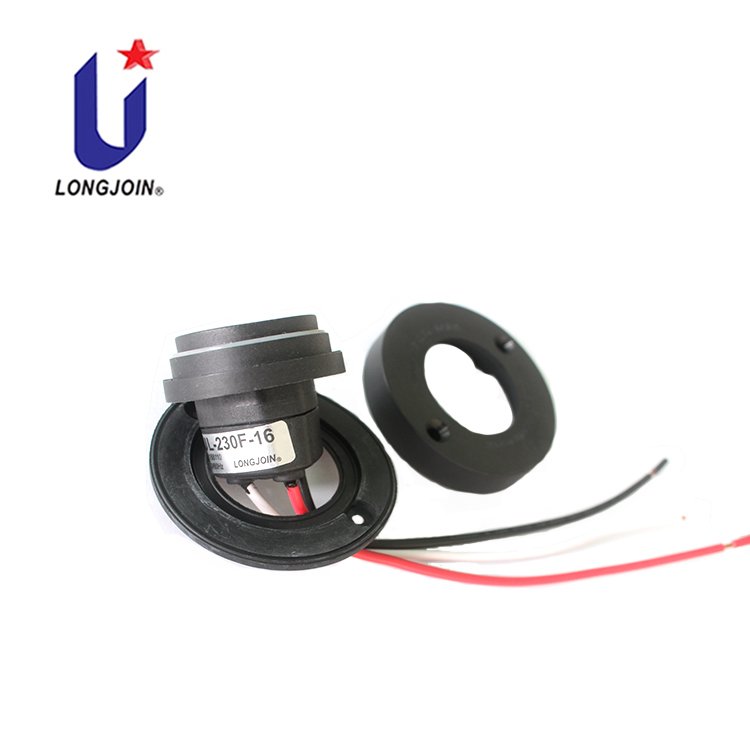
| 3-pin twist-lock | ANSI C136.10 | Drop-in dusk-to-dawn on/off control; the long-established North American streetlight interface |
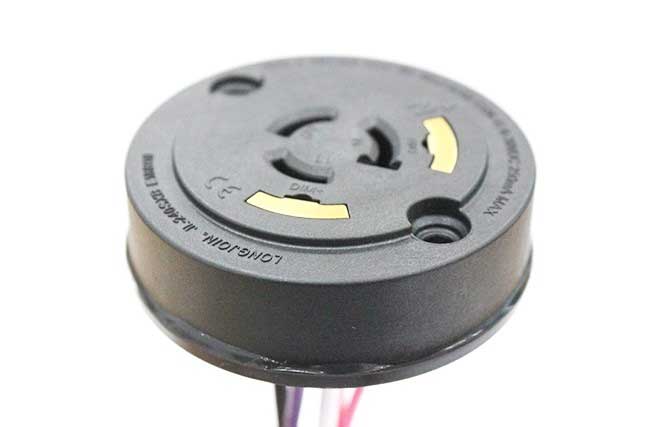
| 5-pin twist-lock | ANSI C136.41 | On/off plus dimming contacts for programmable controls without re-wiring |
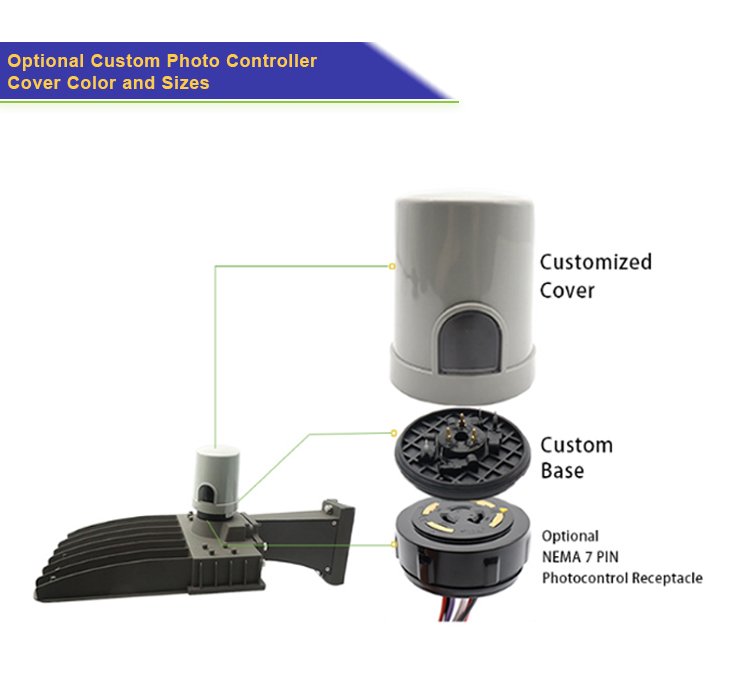
| 7-pin twist-lock | ANSI C136.41 | Full dimming plus low-voltage signal path for node-based smart-city systems |
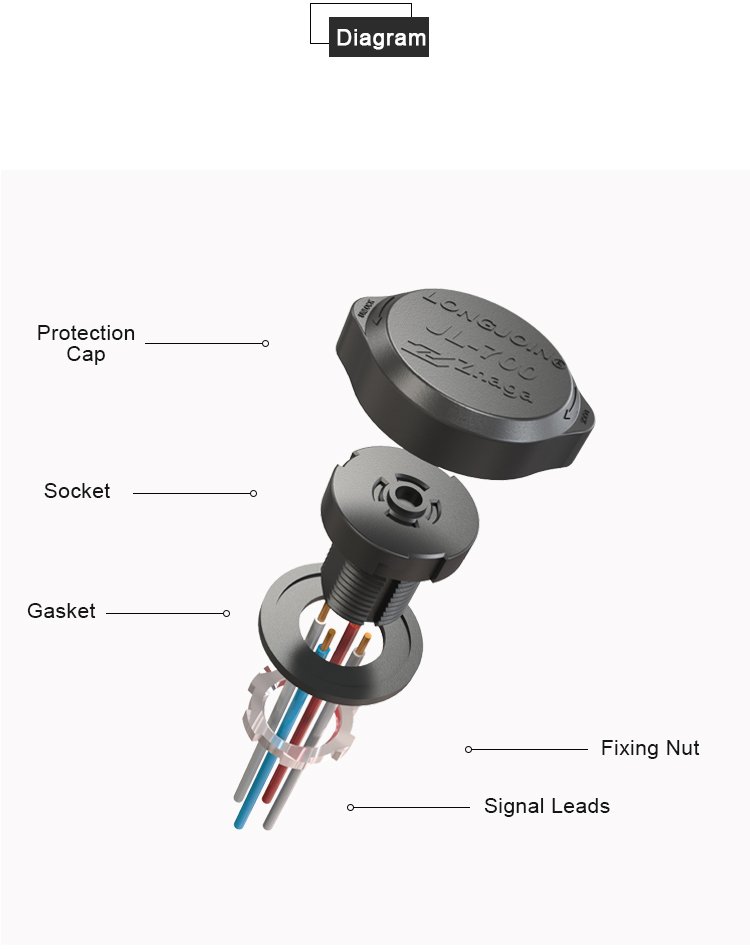
| Zhaga Book-18 socket | Zhaga Book 18 | Standardized sensor/controller interface on the LED driver — future-proof for field-upgradeable smart lighting |
Designing to a standard interface means the photocell footprint, locking geometry and orientation are defined — you are not validating a proprietary part, and your after-sales chain can source interchangeable replacements years later. It also keeps the door open to upgrade paths: a luminaire shipped with a 3-pin receptacle today can still be manufactured for smart-city programs tomorrow by specifying the 5/7-pin or Zhaga variant of the same housing family.
The part is cheap; the warranty claim is not
From the OEM’s side of the ledger, a photocell failure is not a component problem — it is a your-brand problem: a truck roll, a replacement part, a complaint from the utility, and a hit to the reliability statistics you will have to defend at the next tender. That is why the material-level details of the component deserve procurement-level attention:
- Contact materials. Relay contacts carry an inductive LED-driver load and arc on every switching cycle. Silver-alloy or brass contact systems (for example, Long-Join specifies H62 brass contacts and a phosphor-bronze dimming pin on its JL-241J series) hold up far longer than bare-copper economizing. Ask for a material declaration for the exact variant.
- Sealing. Most premature outdoor-control deaths are water deaths. Ask how the housing is sealed (gasketed, glued, ultrasonic-welded, potted) and how the cable entry is strain-relieved.
- Switching behaviour. A fixed turn-on/turn-off delay (for example the 10-second delay used across the JL-241/242/243 series) rides through lightning flashes and passing headlights without the lamp visibly cycling — cycling that residents report and warranty systems log.
Production predictability: what a stable supplier looks like
Component changes mid-production are expensive: re-qualification, documentation updates, stock variance. Three supplier behaviours predict a quiet production line:
- Revision-controlled datasheets. The supplier can tell you what changed between revisions and why. A datasheet that has not changed in a decade usually means nobody is engineering it; one that changes silently means nobody is controlling it.
- OEM services quoted like engineering, not like favours. Private-label marking, custom lead lengths and housing colour should come back as a written quote with MOQ and lead time — days, not weeks. That speed is only possible at a real factory.
- Second-source discipline. Qualify two suppliers for the interface early. Standard interfaces make this genuinely feasible: two qualified photocells that both meet ANSI C136.10 on the same receptacle are real alternates, not paperwork ones.
Related reading on this site
- Why UL Certification Matters for Outdoor Photocontrols in North America — the certification-side companion to this OEM guide.
- How to Vet a Photocell Manufacturer: 9 Checks Before a Bulk Order — the full supplier scorecard.
- How to Choose the Right Zhaga Book 18 Base and Housing for OEM Projects
- How to Choose a NEMA Receptacle Manufacturer: 7 Checks Before You Order — the socket half of the interface.
Building a certified luminaire around a standard-interface photocell?
Ask us for the UL file number, material declarations and datasheet revision with your first RFQ — we expect the questions.
Note: This article is general OEM guidance. Certification scope, interface compatibility and material specifications must be confirmed for the specific model and variant — in writing, before a purchase order.
References
- UL Product iQ — public certification database (iq.ul.com)
- ANSI C136.10 — street-lighting photocontrol interfaces (3-pin twist-lock)
- ANSI C136.41 — roadway lighting photocontrol receptacles and accessories (5- and 7-pin)
- Zhaga Book 18 — LED driver-socket interface for outdoor lighting
- Long-Join photocontrol datasheets (PDF)
Designing a luminaire around a certified photocell?
Send us four things — target interface (NEMA 3-pin, ANSI C136.41 5/7-pin, Zhaga Book-18), operating voltage, load rating and projected annual quantity. We reply within 24 hours with the datasheet revision, unit price, MOQ and lead time — plus our UL file number so your certification team can verify scope in parallel.
Private-label marking, custom lead lengths and housing colour are quoted for OEM volumes on request.
PDF datasheets → · Twist-lock photocontrols → · Supplier vetting checklist →


2 Responses