

Last updated: 12 November 2026 · Long-Join technical marketing team, Shanghai
A Zhaga Book 18 base and housing looks like a simple accessory until it reaches the assembly line. Then the real questions appear: does the base sit flat on this die-cast housing, does the cover clear the module inside, does the gasket survive a coastal winter, and will the same part be available in year three?
For European luminaire manufacturers, Zhaga module makers and OEM purchasing managers this is a procurement decision as much as a mechanical one. Short answer: match four things — the interface your module uses, the envelope your luminaire accepts, the environment the fixture lives in, and the supply stability behind the part.

Key takeaways
- A Zhaga Book 18 base is the interface to a pluggable control module; the housing makes it usable on a fixture.
- Evaluate interface fit, cover envelope, exposure, assembly method and supplier continuity — in that order.
- Compatibility, ingress protection and certification must be confirmed for the exact model.
What Should OEM Buyers Look for in a Zhaga Book 18 Base and Housing?
Application and Interface Requirements
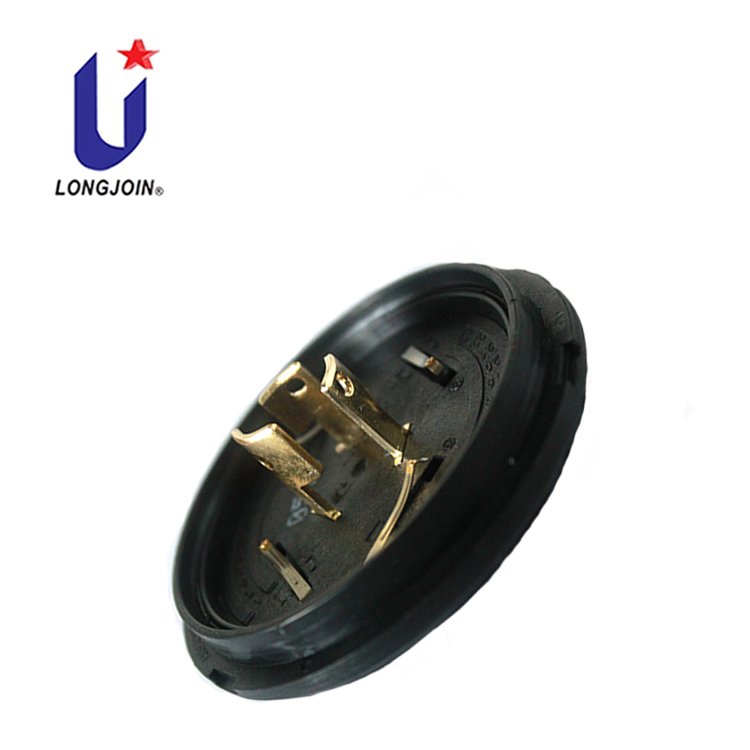
Start with the module, not the base. Long-Join’s Zhaga socket series overview shows one interface in standard, cable-free, short-thread and contact-pin bodies, to fit different castings and wiring practices; the JL-700W2 leadless socket exists because the wiring route changed, not the standard.
Housing and Cover Options
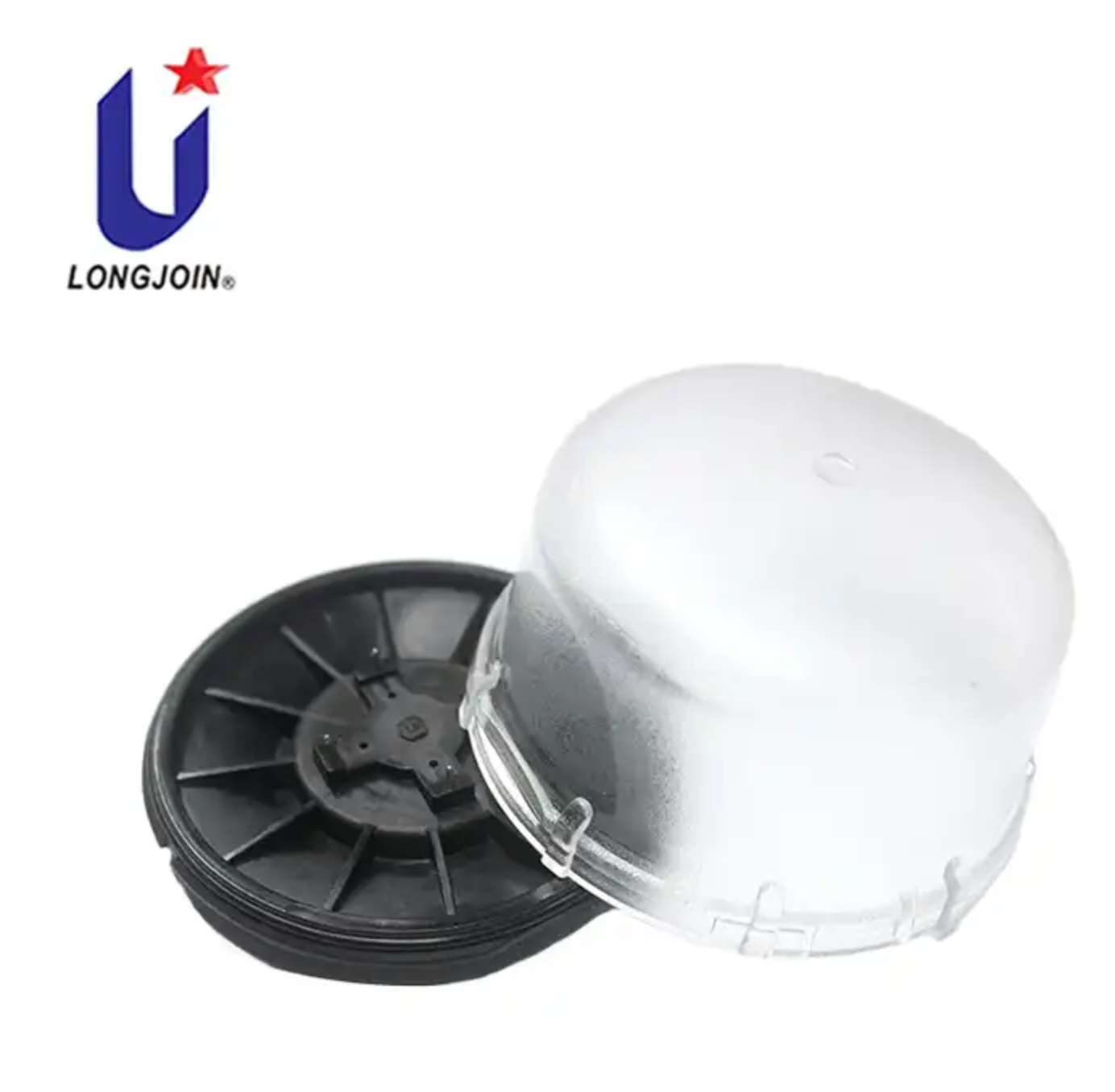
This is where OEM projects stall. A cover that is too shallow traps the module; one that is too tall breaks a decorative post-top silhouette; the wrong material changes how the sensor beneath reads ambient light. Long-Join’s assemblies ship with a PC dome in grey as standard, other colours on request, and several dome heights — so one Zhaga base and cover set serves a compact sensor and a taller communication module.
Outdoor Environmental Considerations
Base and housing sit at the most exposed point of the product and are the part opened most often in maintenance, so sealing and UV-stable materials matter here more than anywhere else on the fixture. Specify ingress protection for the assembled fixture, not the base alone: the seal is formed by base, gasket and housing together. State the rating you need and ask what evidence the supplier can issue for that configuration.
Product Integration and Assembly
Two bases with the same footprint can behave very differently on the line: fixing method, cable routing and leaded versus leadless supply all affect assembly time and rework. Run a small test — mount the exact configuration on a production casting and time it with the operators who will do the job. Is the base self-locating, does the cable exit clear the casting rib, can the cover close without trapping a lead? A five-minute trial answers this; a standard does not.
Quality Consistency and Supplier Support
Look behind the part. Moulds have long lives and programmes run for years on one approved component, so ask about change notification, inspection of moulded parts, and who your technical contact is.
Introducing the Long-Join JL-741 Zhaga Base and Housing Series
The JL-741 series is the large-format base and housing family in Long-Join’s Zhaga Book 18 assembly range, built for outdoor luminaires that need a full-size module envelope — street and area lighting where a sensing or communication module sits above the housing without intruding on the optical compartment.
For a buyer, it offers three things:
- A family, not a single part. The JL-741 base and its JL-742 sibling share the large-format group, so one platform offers two mounting configurations.
- Cover options inside the offer. PC domes in grey as standard, other colours on request, more than one dome height.
- Manufacturing continuity. The family sits in the Zhaga and NEMA portfolio Long-Join has supplied to luminaire makers for years.
What it deliberately does not publish is the engineering behind those parts — internal structure, tolerances, contact geometry, tooling — released to qualified buyers under a controlled technical review.
Exploring Zhaga base and housing options for your project?
Tell us about your application and we can review suitable product options.
More Choices Within the Long-Join Zhaga Accessory Portfolio
Most OEM projects need parts that behave predictably together, not one part. Long-Join’s Zhaga OEM accessories let one luminaire family use a compact assembly on one model and a large-format assembly on another — same supplier, same documentation route.
| Product family | General positioning | Buyer consideration |
|---|---|---|
| JL-741 / JL-742 | Featured large-format base and housing family | Full-size envelope for street and area luminaires |
| JL-731 / JL-732 | Related base family, mid-size footprint | Where the large envelope is not needed |
| JL-711 | Related compact accessory family | Smaller luminaires, sensor-only modules |
| JL-701 | Related compact base option | Integration where housing space is limited |
| JL-700 sockets | Zhaga controller base receptacle range | Wiring route: standard, leadless, short-thread, contact-pin |
Positioning, not interchangeability: footprints differ and a cover from one group will not fit another. Model-level data sits in the datasheet — see the JL-741J page and the JL-732 page.
How Long-Join Supports OEM and Custom Housing Requirements
Customisation here is rarely about inventing a new interface; it is about making a standard interface fit a luminaire that already exists. Long-Join supports OEM customers with:
- Selection consultation — reviewing the luminaire drawing and chosen module to shortlist base and cover options before tooling or sample costs arise.
- OEM configuration — cover colour, cover height, packaging and marking, agreed per project.
- Sample evaluation — the exact configuration for bench and field trials, so assembly questions are settled before the purchase order.
- Manufacturing coordination — production slots aligned to a launch schedule, including staged deliveries.
- Technical communication and documents — one contact for drawings, datasheets and deviations, plus quality documents for the model supplied.
The outcome buyers value is fewer open questions: one supplier for an outdoor lighting controller housing, its cover and its socket means one specification language.
Need an OEM Zhaga housing solution?
Share your product requirements with Long-Join to discuss available base, cover and customisation options.
Why Supplier Reliability Matters for European Outdoor Lighting Projects
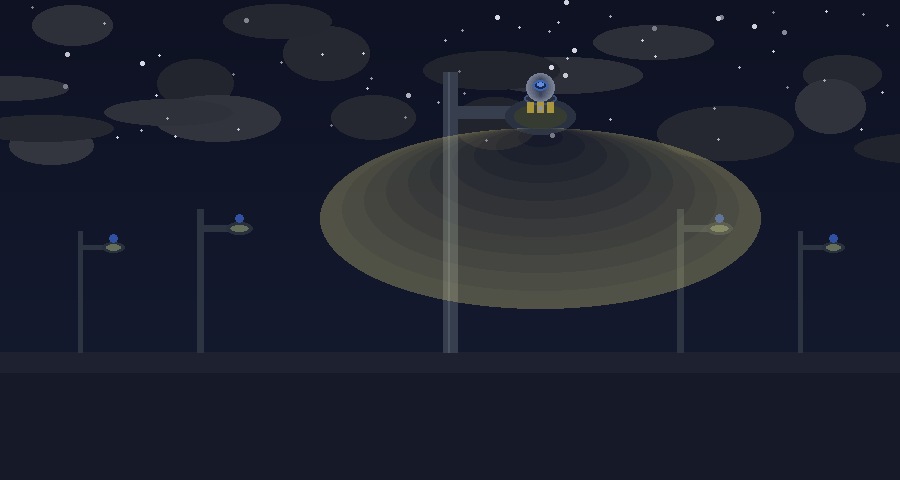
European public lighting is procured on availability and maintainability, and both depend on the component behind the luminaire: a base that cannot be reordered in eighteen months turns a standard fixture into a special. Verify four things before a supplier enters a BOM — whether the same model number means the same part in two years and how changes are notified; what inspection applies to moulded parts; whether datasheets stay current; and how fast a technical question gets a usable answer.
One caution applies to the category. Certifications are held per product and per configuration, not per company, and a Zhaga-based interface does not by itself mean a product is Zhaga-D4i certified. Ask for the declaration covering the exact variant — the Zhaga Consortium publishes its Book 18 / Zhaga-D4i certification programme and the DALI Alliance explains what Zhaga-D4i combines.
Before Requesting a Quotation: What Information Should Buyers Prepare?
What a supplier needs to quote a configuration, not a price range.
| Item | Why the supplier needs it |
|---|---|
| Intended lighting application | Street, area, post-top and industrial fixtures load the housing differently |
| Required family or reference model | Sets the footprint and the datasheet route |
| Base and cover preference | Dome height and colour drive configuration and price |
| Expected volume and delivery schedule | Determines MOQ, planning and your launch window |
| Country or market of use | Affects the documentation you will need |
| Required compliance documents | Confirms what can be issued for the exact model |
| OEM customisation needs | Colour, marking and packaging quoted with the project |
Send the luminaire outline and module specification, not internal engineering drawings. A supplier can quote from the interface requirement and available envelope; design files belong in a controlled exchange once a project is under review and an NDA is in place.
Frequently Asked Questions
What is a Zhaga Book 18 base?
The receptacle assembly on an outdoor luminaire that receives a pluggable control or sensing module, with housing and cover protecting it. The standard defines the interface; base and housing adapt it to the fixture — often searched for as a Zhaga Book 18 baseplate.
How do I choose a Zhaga controller housing for an OEM project?
From the module outwards: interface variant, then dome height and colour, then sealing and assembly method, then the supplier’s ability to keep that part available.
What is the difference between a Zhaga base and a Zhaga receptacle?
The terms overlap. Base and housing is the outer assembly — body, cover, sealing; the socket is the inner interface receiving the module. Long-Join supplies both.
Does Long-Join offer different Zhaga housing options?
Yes — more than one footprint across the JL-701, JL-711, JL-731, JL-732, JL-741 and JL-742 families, PC domes in grey as standard, other colours on request, several dome heights.
Can Zhaga module housings be customised for OEM projects?
Cover colour, cover height, packaging and marking, agreed per project. Changing the interface itself is a separate conversation — its value comes from staying standard.
How can buyers evaluate compatibility with existing lighting equipment?
Test the exact configuration on a production casting, module fitted and luminaire closed. Confirm compatibility and ingress protection for that combination, not for a family description.
What should buyers confirm before ordering Zhaga components in volume?
The exact model and variant code, the datasheet revision being approved, compliance documents for that model, and the delivery schedule.
Can I request samples or technical documentation for the JL-741 series?
Yes — through the normal enquiry route, with application and expected volume stated. Detailed engineering files are shared under controlled review, standard practice for any Zhaga lighting component supplier.
Conclusion: Find the Right Zhaga Housing Partner for Your Next Project
The right base and housing disappears into your programme: it fits the casting, clears the module, survives the site, and can be reordered two years later without a specification change. That is a supplier question, best answered by one manufacturer making the whole set — base, cover and socket. For the project-level view, see the Europe Zhaga and smart lighting project guide.
Looking for a reliable Zhaga housing manufacturer?
Long-Join welcomes enquiries from luminaire manufacturers, lighting control companies and international distributors. Send your application, target volume, destination market and delivery schedule for a project-specific discussion.
Verified facts and general guidance
Product family names, cover options and socket variants reflect Long-Join’s published information at the date of this article. Statements about standards, certification scope and market practice are general industry guidance. Compatibility, ingress protection and certification must be confirmed for the specific model — in writing, before a purchase order.
References
- Zhaga Consortium — zhagastandard.org
- Zhaga Book 18 — interface for outdoor luminaires; Zhaga-D4i certification programme
- DALI Alliance — Zhaga-D4i explanation




One Response