

Last updated: 13 November 2026 · Long-Join technical marketing team, Shanghai
Streetlight bids and utility stock orders almost always name a brand and model: “Intermatic, or equal”. “Or equal” is where distributors and contractors win or lose the job. Answer it well and you keep both margin and the spec; answer it carelessly and you either lose the bid on price or win it on a substitution the inspector rejects. This guide shows how to build an or-equal answer in hours instead of days — and why streetlight photocontrols are the friendliest category in the truck to do it in.
Key takeaways for contractors and distributors
- An or-equal answer is a document set, not a price: interface standard, ratings, thresholds, delay and certification file must match the spec line.
- Photocontrols are interchangeable by design — ANSI C136.10, C136.41 and Zhaga Book-18 define the interface, so the qualification work is comparison, not re-engineering.
- Twist-lock replacement takes one truck visit and no electrician re-work; the receptacle you sold last year sells the photocell you stock this year.
- Rationalize stock around interface families, not brands — fewer SKUs cover more jobs.
- Factory-direct quotes on the same standard interface are where the margin lives.
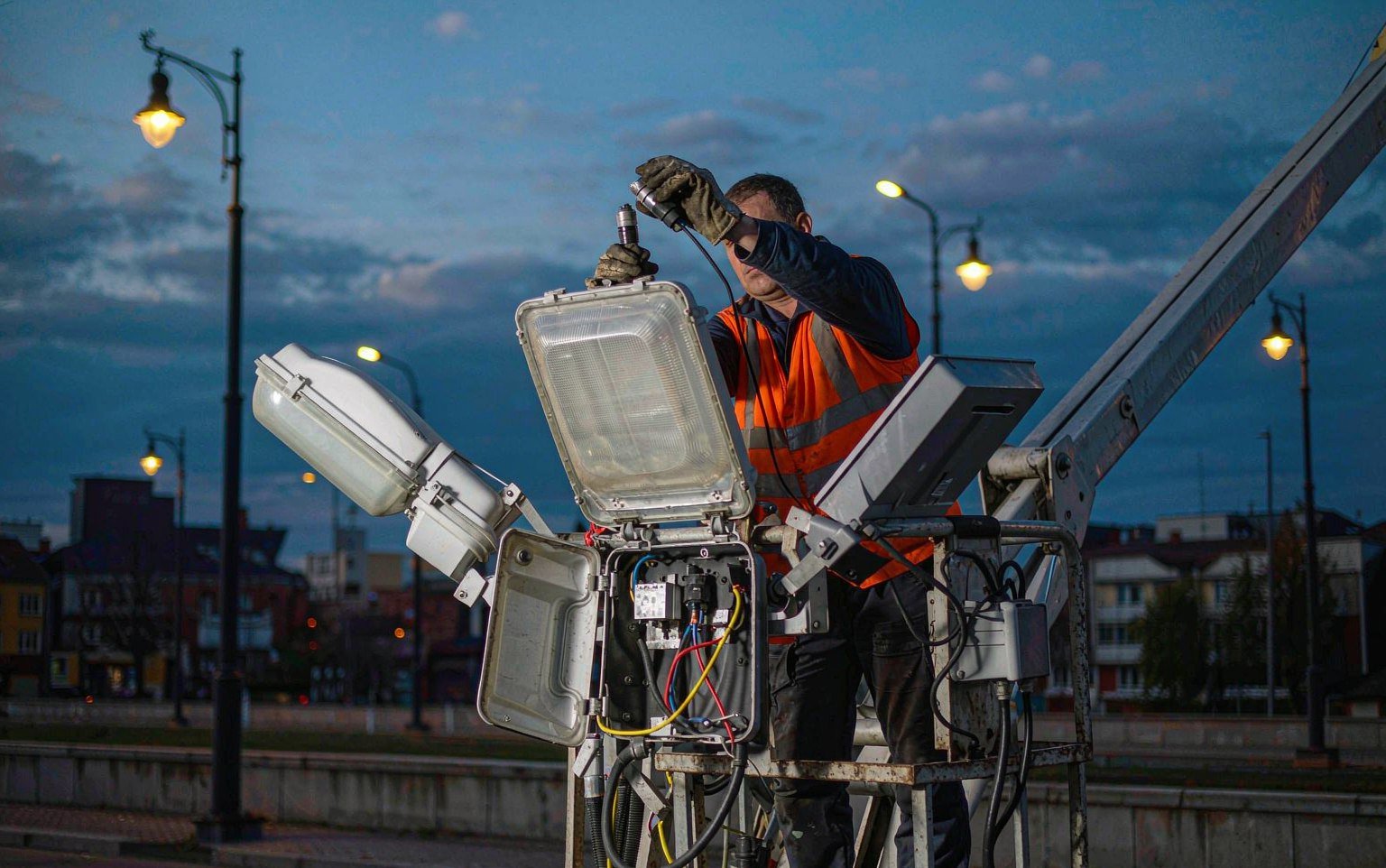
Read the spec line like an inspector will
Most spec lines for photocontrols contain five things that actually matter. Build a one-page cross-reference for each:
| Spec element | What to match | Where it lives |
|---|---|---|
| Interface | 3-pin (ANSI C136.10), 5- or 7-pin (ANSI C136.41), or Zhaga Book-18 socket | Spec line + both datasheets |
| Voltage & load rating | Operating voltage range and ballast/driver load rating (e.g. 105–305 VAC variants exist specifically for this market) | Datasheet ratings table |
| Photometric behaviour | Turn-on/turn-off illuminance thresholds and delay time | Datasheet + spec line |
| Certification | UL file number and scope covering the exact model and factory | Supplier letter + certifier database |
| Environmental rating | Housing sealing class and rated temperature range | Datasheet |
If all five rows match, you are holding a defensible or-equal. If the spec line names a model with a fixed 10-second delay (common across the JL-241/242/243 series class of controls), a substitute with an unstated or wildly different delay is the row inspectors catch — because residents notice lamps cycling at dusk when it is wrong.
Why photocontrols are the easy substitution category
Streetlight photocontrols are built to published interface standards. That has two consequences that make your job easier than in almost any other electrical category:
- Mechanical interchangeability is defined by the standard. A 3-pin twist-lock control from any compliant manufacturer locks into the same ANSI C136.10 receptacle. You are not adapting housings or drilling new mounting holes.
- The comparison is data, not engineering. Qualifying an or-equal photocell is a datasheet cross-reference exercise — hours — not a redesign.
This is also why the category rewards stocking discipline: one receptacle family (say, ANSI C136.41) supports on/off, dimming and node-ready 7-pin controls. A distributor that stocks by interface family covers every job the local utilities put out, with a fraction of the SKU count of a brand-by-brand approach.
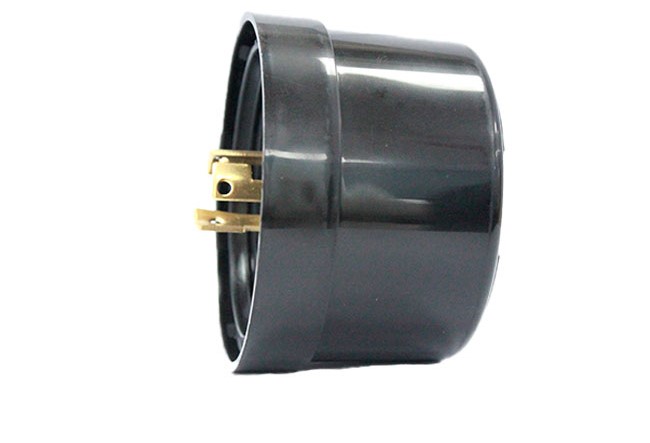
The truck-roll economics of twist-lock replacement
For contractors, the twist-lock interface is a service model: a failed control is swapped in one visit — twist out, twist in, no re-wiring, no re-aiming. Two practical consequences:
- Car stock beats special orders. A crew that carries a handful of standard-interface controls closes more service calls per day than one that waits on brand-specific parts.
- Receptacles sold today are your parts annuity. Every ANSI-standard receptacle or Zhaga socket on a pole is a lock-in for future replacement business — for whichever compatible control you can supply at the best price, which is exactly what or-equal clauses exist to allow.
Keeping the margin: where the price difference actually comes from
Or-equal pricing is not about finding the cheapest control that photographs well. It is about shortening the supply chain between the factory and your quote:
- Buy the standard, not the name. When the spec defines the interface, the certification file and the thresholds, a factory-direct control that meets all five rows delivers the same installed result at a materially better unit price — that difference is your bid room.
- Watch MOQ and lead time, not just unit price. A slightly higher unit price with 2-week delivery beats the lowest price with 10-week delivery on every live job. (Our wholesale guide covers how MOQ, tier pricing and lead time actually interact.)
- Qualify once, re-quote forever. Do the five-row cross-reference and certification check once per supplier; after that, every future “or equal” in that interface family is a same-day quote.
What inspectors reject — the four classic fails
| Substitution fail | Why it gets caught |
|---|---|
| Certification file does not cover the substituted model or factory | Inspector checks the certifier database by file number |
| Interface technically fits but voltage range differs | Local utility secondary voltage falls outside the substitute’s range |
| Delay or thresholds differ materially from spec | Visible: lamps cycling or switching at the wrong light levels |
| “Equivalent” claimed with no datasheet cross-reference | Paperwork, not product — the easiest rejection to avoid |
Related reading on this site
- How to Vet a Photocell Manufacturer: 9 Checks Before a Bulk Order — the supplier side of the same qualification.
- Street-Light Photocell Wholesale: How MOQ, Pricing and Lead Time Really Work
- How Gold-over-Nickel Plating Improves Photocontrol Base Contact Reliability — what separates a base that lasts from one that corrodes.
Have a spec line in front of you right now?
Paste the named model into an RFQ — we will return the or-equal cross-reference with pricing inside 24 hours.
Note: This article is general sourcing guidance. Or-equal acceptance always belongs to the specifying engineer or contracting authority; the cross-reference, certification scope and datasheet match must be confirmed in writing per project.
References
- ANSI C136.10 — street-lighting photocontrol interfaces (3-pin twist-lock)
- ANSI C136.41 — roadway lighting photocontrol receptacles and accessories (5- and 7-pin)
- Zhaga Book 18 — LED driver-socket interface for outdoor lighting
- UL Product iQ — public certification database (iq.ul.com)
- Long-Join photocontrol datasheets (PDF)
Pricing an or-equal substitution?
Send us the spec line — the named model and the interface it uses (NEMA 3-pin, ANSI C136.41 5/7-pin, Zhaga Book-18). We reply within 24 hours with an or-equal candidate: datasheet cross-reference, certification file number, unit price at your quantity and lead time.
Distributor stocking programs and contractor batch quantities are both quotable.
PDF datasheets → · Twist-lock photocontrols → · Wholesale MOQ & lead-time guide →


3 Responses