

Finding the right LED photocell supplier decides more than the unit price of a sensor. The photocell controls when every fixture in your project switches on and off — so a supplier mistake shows up as warranty claims, truck rolls and unhappy municipalities, not as a cheap component that quietly works. This guide is written for purchasing teams and OEM engineers who source dusk-to-dawn controls in volume: it covers which standards to demand, which documents to verify, and how to run the first inquiry so you can compare suppliers on evidence instead of promises.

Every photocell sourcing decision starts with the mechanical and electrical interface your luminaires already use. There are three families, and a supplier worth shortlisting should cover the one you need with models at multiple price points:
- NEMA twist-lock photocontrols (ANSI C136.10 3-pin and ANSI C136.41 5/7-pin dimming)
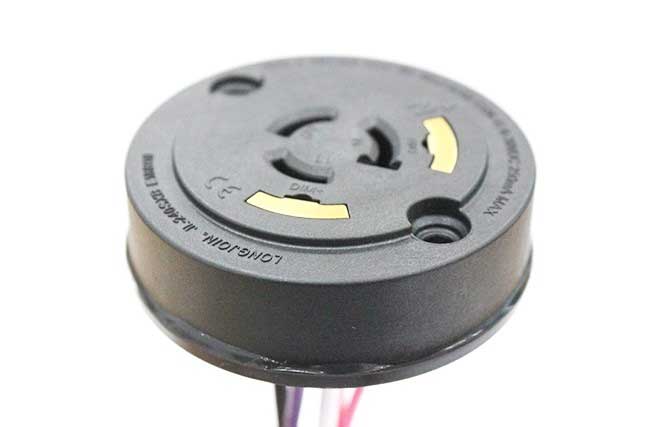
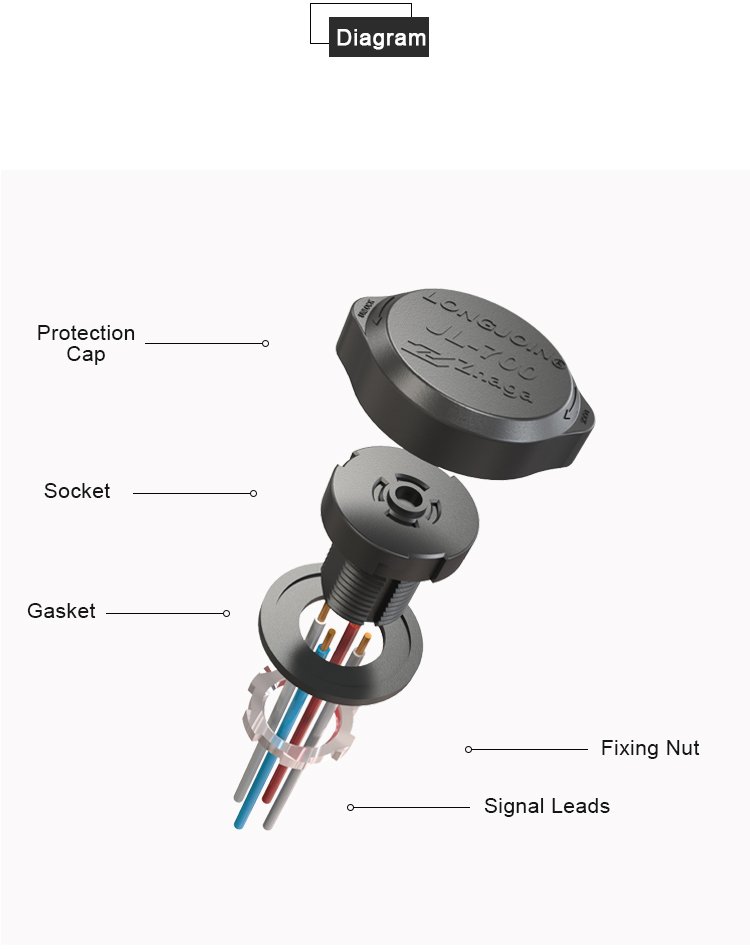
- Zhaga Book-18 sockets and controllers for LED OEM luminaires
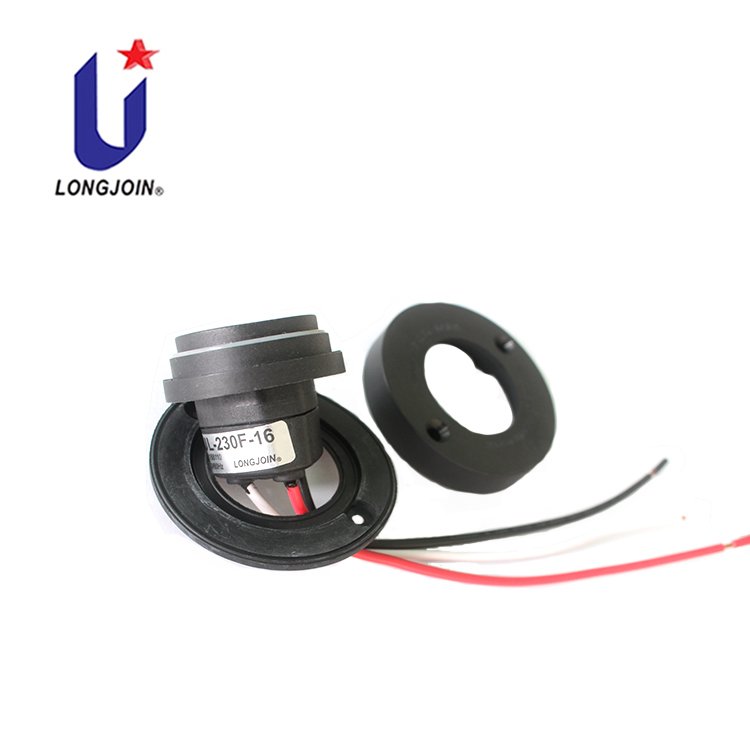
- Wire-in photocontrols for legacy fixtures without a receptacle
Ask directly: “Which of your catalog models match ANSI C136.41 7-pin, and what is the difference between your two 7-pin receptacle lines?” A supplier who can only offer one model per standard, or who cannot explain the difference between a fixed and rotatable receptacle, is reselling rather than manufacturing.
Step 2 — Verify the datasheet, not the brochure
A photocell datasheet should state the rated load in tungsten and ballast watts, the voltage range, the fail-on or fail-off behaviour, the ingress protection of the housing, and the ambient temperature range. Two documents separate real manufacturers from traders:
- The UL file reference — for the North American market, ask for the UL listing details under which the photocontrol is certified, and confirm the model you are buying is covered by it, not just the factory.
- The datasheet revision code — datasheets carry revision numbers (for example an “EN 2406V6”-style code). A supplier who cannot tell you which revision applies to the batch you are buying cannot trace quality issues later.
Published datasheets for every current model should be downloadable without a form — see the LONG-JOIN download centre for the format to expect.
Step 3 — Know the components in a photocell supply line
Twist-lock luminaires need more than the sensor itself. When you evaluate a supplier, check whether they also manufacture the mating components — because one factory making both sides of the interface keeps tolerances honest:
- Shorting caps — keep the circuit closed so the fixture runs continuously while the photocontrol is removed
- Open-circuit caps — the opposite function: they leave the circuit open so the fixture fails off during maintenance
- Receptacles and dimming sockets the caps mate with
Do not let a supplier conflate these two caps. A shorting cap and an open-circuit cap solve opposite problems; if a listing mixes them up, the rest of the datasheet deserves extra scrutiny. The full comparison is in NEMA shorting cap vs open-circuit cap.
Step 4 — Audit the supplier’s behaviour, not just the product
Before requesting samples, run a short behaviour audit. Does the supplier publish real factory photos and test equipment, quote realistic lead times, and answer technical questions with part numbers instead of adjectives? We wrote the full checklist in How to vet a photocell manufacturer — seven checks that expose resellers and catalogue traders before you spend engineering time on them. For volume buying, pair it with the street-light photocell wholesale guide, which covers MOQ tiers, price breaks and packaging.
Step 5 — Run the first inquiry like a test
Send the same four data points to every supplier on your shortlist and compare what comes back:
- The interface standard and receptacle type on your fixture
- Operating voltage and load type (tungsten, ballast or LED driver)
- Required certification and destination market
- Estimated annual quantity
A qualified supplier replies within one working day with a specific model number, its datasheet revision, unit price at your quantity, MOQ and lead time. A weak supplier replies with a full catalogue and a request to “tell us more”. That difference is your first quality signal — and it costs you nothing.
Red flags that end a shortlisting
- No named models, no revision codes, no downloadable datasheet.
- Certification claimed for the factory but not traceable to the model you are buying.
- Shorting-cap and open-circuit-cap functions confused in listings or replies.
- One “universal” model offered for every voltage and interface.
- Quotes that cannot state MOQ, packaging or lead time.
What LONG-JOIN publishes for this exact check
As the outdoor lighting control brand behind this site, we publish the documents this guide asks you to demand: PDF datasheets with revision codes, wiring and installation diagrams, and the Zhaga Book-18 model comparison table. Use them as the benchmark when you evaluate any supplier — including us.
Specifying this for a live project?
Send us four things — model or interface (NEMA 3-pin, ANSI C136.41 5/7-pin, Zhaga Book-18), operating voltage, load rating and annual quantity. We reply within 24 hours with unit price, MOQ, lead time and the datasheet revision for the exact variant.
OEM housing colour, private-label marking and modified lead length are quoted on request.
JL-208 product page → · Twist-lock photocontrols → · PDF datasheets →



4 Responses
I love your blog.. very nice colors & theme. Did you create this website yourself? Plz reply back as I’m looking to create my own blog and would like to know wheere u got this from. thanks
Thank you! Glad you found it helpful.
I’m using a system template, which you can find in the backend.